
American Airlines CEOs Fly Together Paris to Dallas in Business Class
American Airlines current CEO Robert Isom and former CEO Doug Parker both traveled in business class from Paris to Dallas on Easter Sunday 2026, raising questions about corporate travel policies and executive leadership continuity in the airline industry.

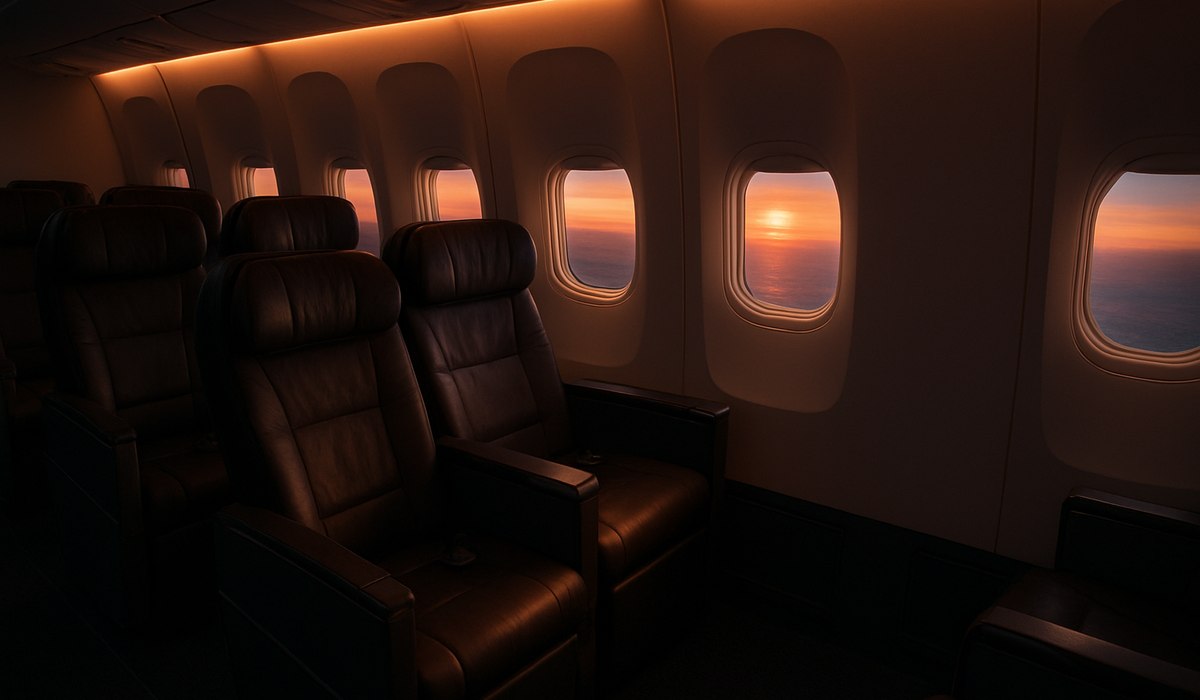
Image generated by AI
Dual Leadership Aloft: The Easter Sunday Flight That Sparked Industry Conversation
American Airlines' current and former CEOs shared a business class cabin from Paris Charles de Gaulle Airport to Dallas/Fort Worth International Airport on Easter Sunday 2026. Robert Isom, the airline's present chief executive, and Doug Parker, his predecessor, both traveled with their families aboard the transatlantic flight. The unusual convergence of current and former leadership on the same long-haul service has ignited discussions within aviation circles about corporate travel protocols, executive decision-making, and what such proximity suggests about institutional knowledge transfer at one of North America's "Big Three" carriers.
The Unexpected Meeting at 35,000 Feet
When two leaders of an organization occupy adjacent seats in premium cabins, industry observers naturally wonder about the dynamics at play. On this particular Easter Sunday flight from Paris to Dallas, both executives had their families in tow, suggesting a coordinated vacation rather than separate business engagements. The transatlantic route from Paris to Dallas represents premium revenue for airlines american dallas operations, with business class fares commanding significant premiums during holiday weekends.
Travel industry analysts speculate whether such face-to-face time at cruising altitude facilitated informal discussions about airline strategy, operational challenges, or organizational transitions. The timing—during an Easter holiday period when many corporate leaders take leave—raises questions about intentional scheduling or mere coincidence. Whatever the case, the symbolism of shared cabin space between sitting and former leadership resonates throughout aviation management circles.
What This Says About American Airlines Leadership Continuity
The presence of both executives on the same flight illuminates American Airlines' approach to institutional continuity and mentor-successor relationships. Unlike some corporate transitions marked by clean breaks, this overlap suggests an organization comfortable with knowledge-sharing between its past and present leadership. Doug Parker's tenure as CEO shaped strategic decisions that continue influencing airline operations today, and his institutional memory remains valuable during periods of industry transition.
Current CEO Robert Isom inherited an organization navigating post-pandemic recovery, changing consumer preferences, and evolving operational challenges. Access to Parker's experience and perspective—even informally during transatlantic flights—represents intangible organizational capital that doesn't appear on balance sheets but influences decision-making nonetheless. The fact that both leaders chose to travel business class to Dallas rather than making alternative arrangements speaks to their comfort level and perhaps their assessment of what communication requires in-person presence on airlines american dallas routes.
Business Class Travel: Corporate Standards and Expectations
The business class cabin represents a distinct tier in modern aviation, offering privacy, space, and service levels that facilitate work and rest during long-haul flights. When corporate executives occupy these premium cabins, they're not merely traveling—they're conducting business under circumstances that support both productivity and recovery from jet lag. The Paris to Dallas route spans approximately 5,000 nautical miles, requiring eight to nine hours of flight time depending on wind patterns and routing.
American Airlines designates business class seating as Flagship Business, featuring direct-aisle access, lie-flat seats, and premium amenities designed for high-value passengers and elite frequent flyers. The investment in these cabin products reflects airline revenue strategies and executive travel policies. For sitting and former CEOs, business class accommodations represent standard practice rather than luxury indulgence—operational necessities that enable executives to arrive rested and capable of managing responsibilities that resume immediately upon landing in Dallas.
The decision by both leaders to occupy premium cabin space on Easter Sunday—traditionally a peak travel period with substantial premium cabin demand—suggests either early booking advantages or flexible corporate travel policies that prioritize executive comfort and productivity.
Industry Implications for Airline Executive Practices
The convergence of American Airlines' current and former CEOs on a single transatlantic service raises broader questions about how major carriers handle executive travel and leadership transitions. In many industries, sharp demarcation exists between sitting and former leadership—separate travel arrangements, limited interaction, and distinct organizational chapters. Yet the aviation sector, driven by operational complexity and specialized knowledge, often benefits from continuity between leadership generations.
This Easter Sunday flight exemplifies evolving practices in how major carriers maintain institutional knowledge while enabling new executives to establish independent decision-making authority. The presence of families alongside both leaders suggests personal relationships independent of organizational hierarchy, which research indicates strengthens informal communication channels and organizational cohesion during periods of significant change or challenge.
For airlines american dallas and comparable major carriers, questions emerge about optimal corporate travel policies: Should organizations encourage or discourage sitting and former executives traveling simultaneously? What risks and benefits exist in proximity that facilitates informal strategy discussions at 35,000 feet? How do such practices influence employee perceptions of leadership continuity and organizational stability?
Key Flight and Route Data
| Metric | Details |
|---|---|
| Departure Airport | Paris Charles de Gaulle (CDG) |
| Arrival Airport | Dallas/Fort Worth International (DFW) |
| Flight Date | Easter Sunday, April 6, 2026 |
| Aircraft Type | Boeing 777-200/300 (typical Paris-Dallas service) |
| Distance | Approximately 5,000 nautical miles |
| Flight Duration | 8-9 hours eastbound |
| Cabin Class | Flagship Business (American Airlines premium) |
| Passengers Onboard | Current CEO Robert Isom + family, Former CEO Doug Parker + family |
| Peak Season Timing | Easter holiday period (premium demand) |
| Route Significance | Major transatlantic link serving leisure and business markets |
What This Means for Travelers
The Easter Sunday flight carrying American Airlines' dual leadership offers several insights for business and leisure travelers planning transatlantic journeys:
1. Premium Cabin Availability Varies by Season – Easter holidays create peak demand for business class seats. Book transatlantic flights from Paris to Dallas 8-12 weeks in advance if business class represents your preference.
2. Executive Travel Patterns Influence Route Planning – When major corporate events occur (leadership transitions, quarterly meetings, strategic retreats), watch for changes in premium cabin pricing and availability on associated routes.
3. Corporate Travel Policies Shape Premium Cabin Economics – Airlines' revenue management systems account for corporate accounts and executive spending patterns. Understanding that both sitting and former leaders utilize business class legitimizes premium cabin demand and influences pricing strategies.
4. Transatlantic Routes Merit Advanced Planning – The Paris to Dallas corridor serves both leisure travelers (tourism, family visits) and business passengers (corporate operations, executive travel). Plan at least two months ahead for optimal pricing and cabin availability.
5. Monitor Airline Leadership Changes – When CEOs transition or visit key hubs like Dallas, operational priorities may shift subtly. Staying informed about American Airlines' executive moves helps travelers anticipate service enhancements or policy adjustments on airlines american dallas network operations.
FAQ: American Airlines Executive Travel and Route Information
Q: When is the best time to book a Paris to Dallas flight for business class?
A: Book 8-12 weeks in advance for optimal pricing. Easter and summer holidays create peak demand, while fall shoulder season (September-October) offers better availability. Monitor FlightAware for consistent route traffic patterns.
Q: How does American Airlines define its business class product on transatlantic routes?
A: American Airlines Flagship Business features lie-flat seats with direct-aisle access, premium bedding, gourmet dining, shower spas at certain hubs, and priority boarding. The product competes directly with legacy carriers' business offerings on Paris-Dallas services.
Q: What factors influence premium cabin pricing for Paris to Dallas flights?
A: Seasonal demand, fuel costs, corporate account volume, competitive positioning, and operational factors all affect business class fares. Easter period pricing typically peaks 6-8 weeks before travel dates.
Q: How can leisure travelers access business class deals on this route?
A: Monitor airline sales, consider positioning through connecting hubs, check premium economy alternatives, use frequent
Disclaimer
This article is for informational and educational purposes only. It does not constitute legal, financial, or professional advice. While we strive to provide accurate and up-to-date information, travel policies, regulations, and conditions change rapidly. Always verify information with official sources before making travel decisions. Nomad Lawyer makes no representations about the accuracy, reliability, completeness, or suitability of the information provided. Readers should consult qualified professionals for advice specific to their circumstances. The views expressed in this article are those of the author and do not necessarily reflect the views of Nomad Lawyer.
Preeti Gunjan
Contributor & Community Manager
A passionate traveller and community builder. Preeti helps grow the Nomad Lawyer community, fostering engagement and bringing the reader experience to life.
Learn more about our team →