
American Airlines’ dnata Split Sparks Catering Crisis at Heathrow: Crew Unrest, Double‑Catering Strain, and Risks to 19 Daily Transatlantic Flights
American Airlines ends dnata contract at London Heathrow, adopts ‘double catering’ model, prompting APFA grievances and operational strain across up to 19 daily London–US flights.

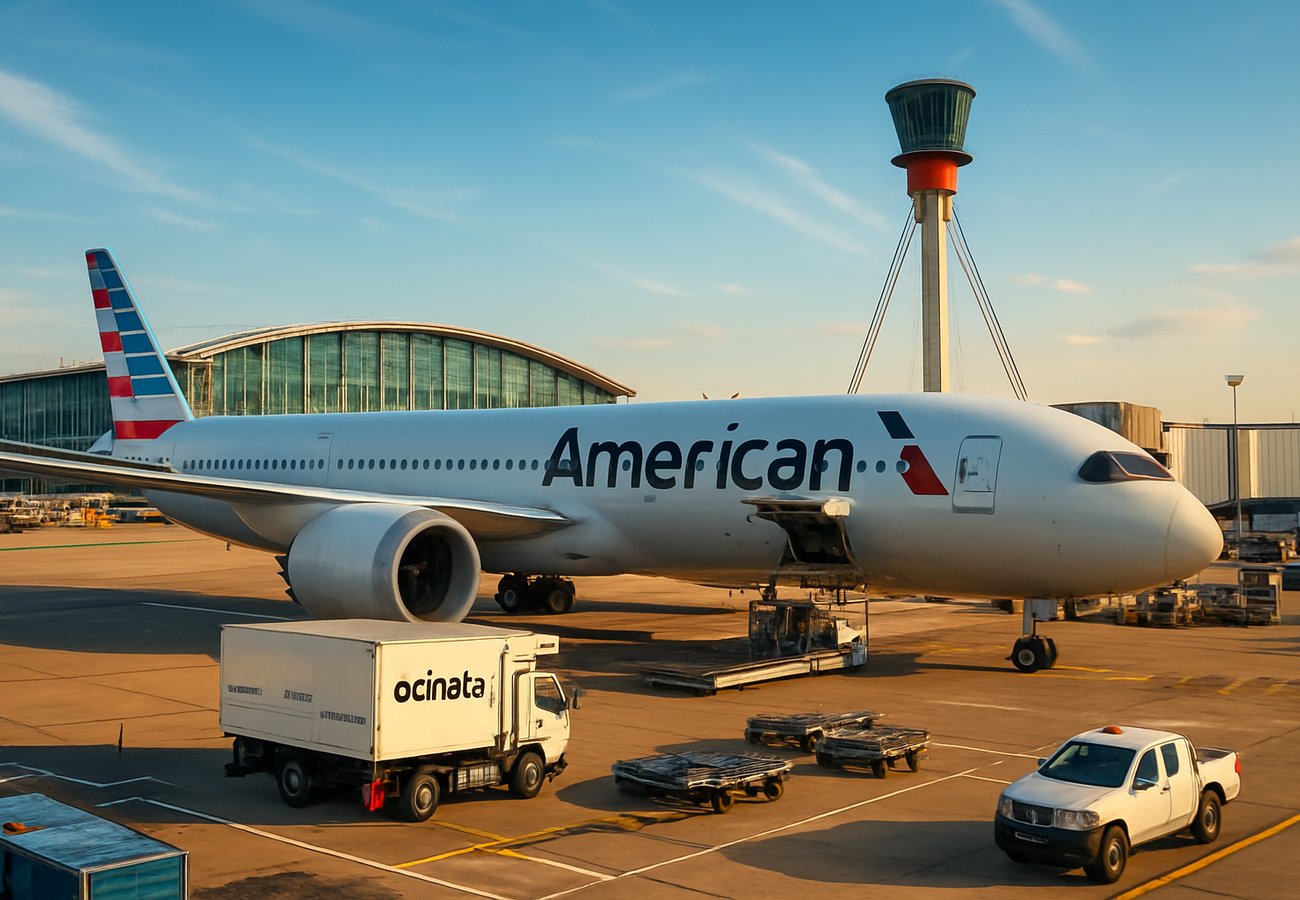
Image generated by AI
American Airlines’ dnata Split Sparks Catering Crisis at Heathrow: Crew Unrest, Double‑Catering Strain, and Risks to 19 Daily Transatlantic Flights
Subheading: After ending its dnata catering contract in early March 2026, American Airlines relies on a stopgap “double catering” system that has provoked APFA complaints, spot shortages, and service strain on London–US routes.
LONDON — American Airlines is facing mounting operational pressure at London Heathrow after the carrier abruptly ended its long‑standing catering relationship with dnata in early March 2026. The ensuing shift to a provisional “double catering” approach — loading meals for both outbound and return sectors while aircraft remain in the United States — has increased on‑board inventory, extended crew workload and sparked formal unrest among cabin crew represented by the Association of Professional Flight Attendants (APFA).
Expanded overview
What began as a vendor change has rapidly become a labour and operational story with network‑wide implications. American’s emergency measure has placed extra physical and procedural demands on flight attendants: more trolleys to manage, tighter storage management and longer in‑service routines. Those pressures have triggered complaints from APFA and raised the spectre of a formal escalation, with union officials flagging the possibility of a Presidential Grievance if the airline does not provide additional compensation and operational relief.
London Heathrow: the epicentre
Heathrow’s role as the carrier’s critical European outpost makes the airport the central battleground. With dnata no longer handling catering logistics at Heathrow, American Airlines has attempted temporary workarounds rather than securing an immediate contracted replacement. The double‑catering model increases onboard stock for round trips and complicates service flow on long‑haul aircraft. British Airways has provided limited Business Class support on select sectors, but Economy and secondary meal services remain inconsistently supplied, prompting customer complaints and operational friction.
Union pushback: flight attendants demand compensation
APFA has formally escalated concerns over the new catering regime. The union reports longer working hours, increased physical strain and more complex service procedures for cabin staff. APFA has filed complaints and notices of dispute; union leaders say they will consider a Presidential Grievance — a formal escalation that would move the matter into higher‑level arbitration — if adequate compensation and staffing relief are not negotiated. The dispute centres on both crew welfare and the airline’s responsibility to maintain safe, sustainable working conditions.
Operational impact across the transatlantic network
American Airlines operates up to 19 daily flights between London and major U.S. gateways. That density magnifies disruptions: any operational squeeze at Heathrow reverberates through schedules to New York, Los Angeles and Dallas. The ad‑hoc catering practice raises the likelihood of turn‑time delays, on‑board shortages and uneven passenger service, particularly in Economy. Crews are spending more time managing non‑standard provisioning tasks, which can further delay service and aircraft turnaround.
Crew welfare and passenger experience
Cabin crews are reporting heavier workloads: larger provisioning loads, constrained galley space, and more intricate serving patterns. Passengers are experiencing variable onboard service — some Business Class sectors have benefited from British Airways’ limited assistance, while many Economy passengers face reduced meal options and slower service. The inconsistency has fueled passenger frustration and increased scrutiny across social media and travel forums.
Industry analysis: causes and context
The situation at Heathrow highlights several structural vulnerabilities:
- A vendor exit without an immediate, like‑for‑like replacement (dnata’s contract termination);
- A short‑term logistics workaround (double catering) that increases crew workload and storage strain;
- High flight density (up to 19 London–US services daily), which amplifies local problems across a complex transatlantic schedule;
- Labour escalation risk (APFA’s potential Presidential Grievance) that could prolong disruption through arbitration.
While weather and ATC are not cited as direct causes here, the episode underlines how quickly supplier changes can cascade into labour, service and schedule problems at major hubs.
What this means for travellers and the market
In the immediate term, passengers on American’s London services should expect uneven catering and possible service delays. If a permanent catering partner is not secured and crew grievances remain unresolved, the airline risks longer‑term service downgrades and schedule impacts as summer demand rises. Competitors and regulators will be watching closely; the outcome will influence reputational and operational standing across the transatlantic market.
What’s next: resolution and outlook
American Airlines is reportedly seeking a permanent catering solution while managing interim measures. APFA’s compensation demands and staffing concerns will be central to any settlement. A swift contractor appointment combined with crew relief measures could normalize services; conversely, a prolonged grievance or arbitration could extend the operational strain and keep the story prominent in aviation updates.
Conclusion
The Heathrow catering crisis is a cautionary tale: ending a pivotal supplier relationship without a secure backup has caused more than meal shortages — it has strained crews, destabilized service standards and threatened a major transatlantic schedule. American Airlines must balance rapid supplier procurement with meaningful crew compensation to restore normal operations and prevent lasting reputational damage.
Key takeaways
- American Airlines ended its dnata catering contract in early March 2026, triggering the crisis.
- The carrier adopted a “double catering” approach, loading meals for both outbound and return flights while aircraft remain in the U.S.
- APFA has lodged complaints and is considering a Presidential Grievance over crew workload and compensation.
- Up to 19 daily London–US flights (including services to New York, Los Angeles and Dallas) face elevated service risk.
- British Airways provided limited Business Class catering support; Economy services remain affected.
- A permanent catering contract and crew compensation measures are needed to stabilize operations.
Source note: Report compiled from the original April 20, 2026 briefing and American Airlines/APFA statements. This article is for aviation updates and airline news coverage.
Disclaimer
This article is for informational and educational purposes only. It does not constitute legal, financial, or professional advice. While we strive to provide accurate and up-to-date information, travel policies, regulations, and conditions change rapidly. Always verify information with official sources before making travel decisions. Nomad Lawyer makes no representations about the accuracy, reliability, completeness, or suitability of the information provided. Readers should consult qualified professionals for advice specific to their circumstances. The views expressed in this article are those of the author and do not necessarily reflect the views of Nomad Lawyer.
Kunal K Choudhary
Co-Founder & Contributor
A passionate traveller and tech enthusiast. Kunal contributes to the vision and growth of Nomad Lawyer, bringing fresh perspectives and driving the community forward.
Learn more about our team →