
American Airlines Announces Transatlantic Expansion with New Airbus A321XLR Route Network Connecting East Coast Hubs to Europe
American Airlines introduces the Airbus A321XLR on transatlantic routes, launching services from JFK and Philadelphia to Edinburgh, Barcelona, and Lisbon.

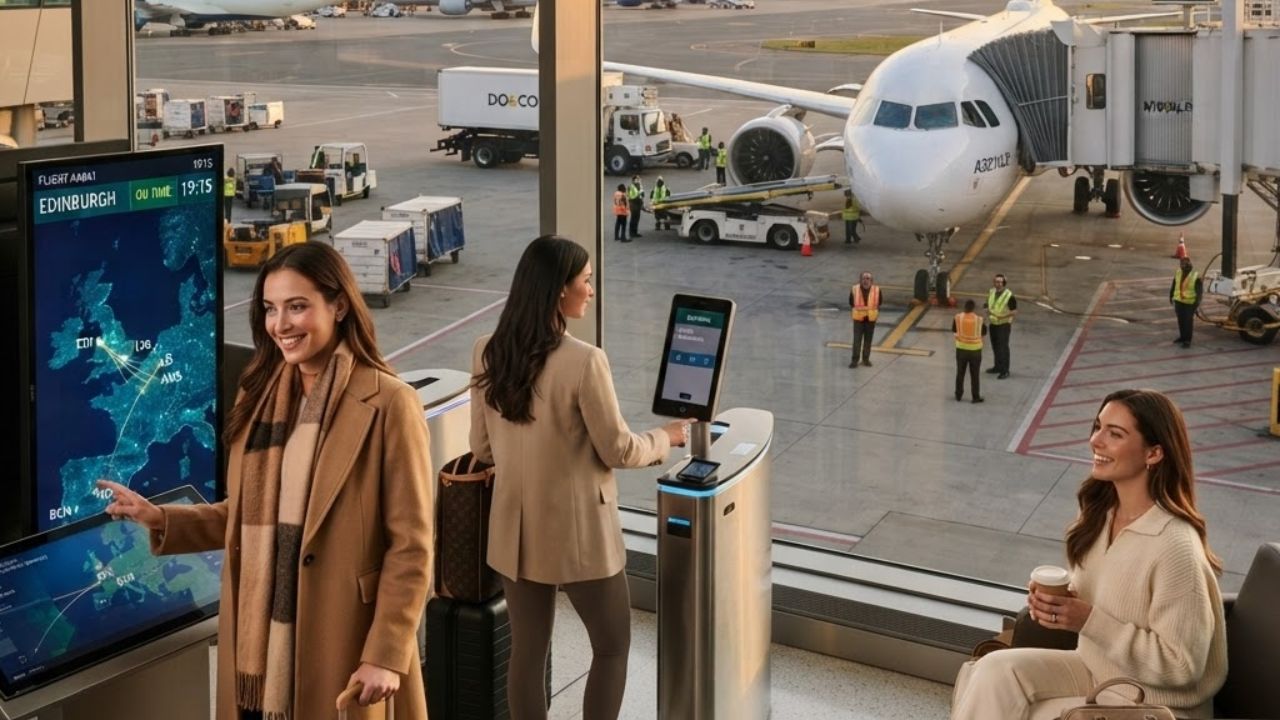
Image generated by AI
American Airlines Announces Transatlantic Expansion with New Airbus A321XLR Route Network Connecting East Coast Hubs to Europe
American Airlines is launching a new phase of transatlantic flight operations using the Airbus A321XLR. The fuel-efficient, single-aisle aircraft will connect East Coast hubs with European destinations that have traditionally been served by widebody jets.
The Core Transit Update
Aviation network updates show that American Airlines is preparing to launch international flights using the Airbus A321XLR. The carrier initially deployed the single-aisle aircraft on premium domestic transcontinental flights between New York John F. Kennedy International Airport (JFK) and Los Angeles International Airport (LAX) to test operational performance before introducing it to transatlantic markets.
The airline plans to launch its first international A321XLR route between New York JFK and Edinburgh Airport (EDI) in March 2026. Additional routes planned for the narrow-body aircraft include New York JFK to Barcelona (BCN), Philadelphia (PHL) to Lisbon (LIS), PHL to Porto (OPO), and PHL to Amsterdam (AMS). This route strategy targets "long, thin routes"—city pairs with steady travel demand that do not justify the higher operating costs of larger widebody aircraft like the Boeing 787 or Boeing 777.
Route Network and Telemetry Specifications
The introduction of the A321XLR places the airline in direct competition with carriers operating long-range single-aisle fleets across the Atlantic, including JetBlue, Iberia, and TAP Air Portugal. The table below lists the planned routes, approximate distances, and passenger connection benefits:
| Flight Origin Hub | Flight Destination | Launch Schedule | Distance (Approx.) | Primary Passenger Connection Benefit |
|---|---|---|---|---|
| New York JFK | Edinburgh (EDI) | March 2026 | 3,200 miles | Direct seasonal access to Scotland |
| New York JFK | Barcelona (BCN) | Planned | 3,830 miles | Direct link to Catalan business hub |
| Philadelphia (PHL) | Lisbon (LIS) | Planned | 3,300 miles | Direct access to Portuguese gateway |
| Philadelphia (PHL) | Porto (OPO) | Planned | 3,200 miles | Direct link to northern Portugal |
| Philadelphia (PHL) | Amsterdam (AMS) | Planned | 3,700 miles | Transatlantic choice to the Netherlands |
| New York JFK | Los Angeles (LAX) | Active | 2,475 miles | Premium transcontinental connection |
Traveler Logistics Guide (Information Gain)
For passengers planning trips on these single-aisle transatlantic flights, the following logistics advice from the US Department of Transportation (DOT) guidelines will support a smoother trip:
- Understanding Cabin Layouts: Single-aisle aircraft like the A321XLR have a 3-3 configuration in Economy and a 1-1 or 2-2 configuration in Business Class. While they feature premium amenities like lie-flat seats in Business, the cabin space is narrower than a widebody jet. Check your seat dimensions and aisle accessibility before booking.
- Optimal Layover Times: If you are connecting from a regional US flight at JFK or PHL to an international A321XLR flight, allow at least 120 minutes for terminal transfers and security checks.
- Schengen Visa and ETIAS Guidelines: Travelers heading to Lisbon, Porto, Amsterdam, or Barcelona must hold a passport valid for at least 3 months beyond their planned departure date. From late 2026, US passport holders will require an approved ETIAS waiver to enter the Schengen Area.
- Baggage Allowances on Regional Connections: If your itinerary includes a regional feeder flight before the transatlantic leg, verify that your baggage meets the size limits of the smaller regional jet to avoid gate-checking fees.
Infrastructure and Hub Impact Assessment
The deployment of the Airbus A321XLR on long-haul routes represents a shift in transatlantic network planning. Historically, operating transatlantic routes required high-capacity widebody aircraft, which limited daily operations to major hub airports. By using fuel-efficient single-aisle aircraft, airlines can serve secondary cities directly, bypass congested gateways, and reduce fuel consumption per seat.
For airport operators at JFK and Philadelphia, managing A321XLR flights requires adjusting boarding gate configurations. These single-aisle aircraft can be accommodated at smaller gate positions than widebody jets, freeing up international terminal space for higher-capacity operations.
Related Travel Guides
- Flydubai Launches Major Flight Network Expansion Adding Direct Services to Europe Nepal Syria and Baltic States from Terminal Three
- Federal Aviation Administration Database Confirms American Airlines Regional Flight operated by Envoy Air Followed Scheduled Route Without Tulsa Diversion
- Thailand Launches Smart Airport Modernization Initiative in Partnership with Thai Aviation Industries to Implement Biometric Processing Systems
Disclaimer
This article is for informational and educational purposes only. It does not constitute legal, financial, or professional advice. While we strive to provide accurate and up-to-date information, travel policies, regulations, and conditions change rapidly. Always verify information with official sources before making travel decisions. Nomad Lawyer makes no representations about the accuracy, reliability, completeness, or suitability of the information provided. Readers should consult qualified professionals for advice specific to their circumstances. The views expressed in this article are those of the author and do not necessarily reflect the views of Nomad Lawyer.
Kunal K Choudhary
Co-Founder & Contributor
A passionate traveller and tech enthusiast. Kunal contributes to the vision and growth of Nomad Lawyer, bringing fresh perspectives and driving the community forward.
Learn more about our team →