
American Airlines Adds Six New Nonstop Europe Routes from Dallas, Miami and Philadelphia for 2026
American Airlines expands its transatlantic footprint for 2026, launching six new nonstop routes to Athens, Zurich, Milan, Budapest, and Prague to capture record summer demand.

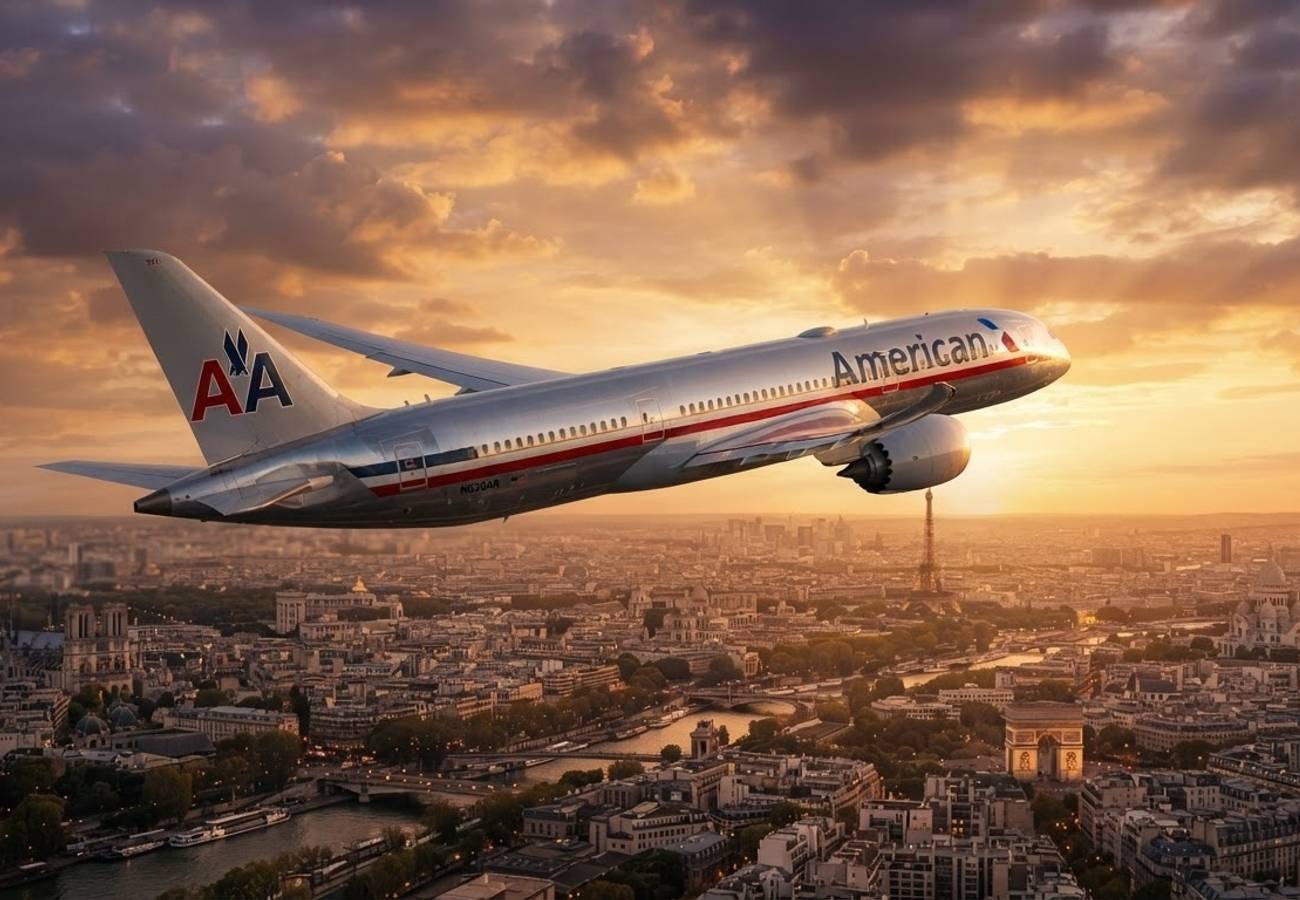
Image generated by AI
Six new nonstop links are set to redefine transatlantic connectivity in 2026, with American Airlines deploying Boeing 787 and 777 aircraft to bridge U.S. hubs with high-demand European capitals.
The Transatlantic Shift: Expanding Beyond the Hubs
American Airlines is aggressively scaling its international network for the 2026 summer season, introducing six new nonstop routes designed to capture a record surge in leisure and connecting traffic. Rather than focusing solely on traditional gateways, the airline is leveraging its primary hubs—Dallas Fort Worth (DFW), Miami (MIA), and Philadelphia (PHL)—to funnel passengers from secondary U.S. cities into emerging and classic European markets.
The expansion is a strategic mix of new city pairs and the restoration of previously served destinations. The 2026 schedule reveals a calculated push into Central and Southern Europe, utilizing widebody aircraft to maximize capacity during the peak travel window between late March and late May.
Strategic Route Distribution by Hub
| Departure Hub | New Destination | Service Type | Primary Aircraft |
|---|---|---|---|
| Dallas Fort Worth (DFW) | Athens | Summer Seasonal | Boeing 787 / 777 |
| Dallas Fort Worth (DFW) | Zurich | Summer Seasonal | Boeing 787 / 777 |
| Miami (MIA) | Milan | Year-Round | Boeing 787 / 777 |
| Philadelphia (PHL) | Budapest | Summer Seasonal | Boeing 787 |
| Philadelphia (PHL) | Prague | Summer Seasonal | Boeing 787 |
| Philadelphia (PHL) | TBD (Additional Market) | TBD | Boeing 787 |
Cultural & Environmental Value: The Rise of "Second-Tier" Destinations
The reintroduction of Budapest and Prague via Philadelphia signals a pivot toward "second-tier" European cities. For the traveler, the real impact is a shift away from the over-tourism seen in London or Paris, allowing for a more authentic engagement with Central European heritage. These routes support regional economies by facilitating direct access to cultural tourism and river cruising, reducing the reliance on congested mega-hubs.
In Miami, the year-round link to Milan serves as more than just a tourist pipeline; it reinforces deep diaspora ties and business connections between South Florida and Northern Italy. By funneling Caribbean and Latin American traffic through Miami into Milan, American Airlines is creating a more efficient transatlantic corridor that reduces the number of aircraft movements required to move passengers across the ocean, marginally improving fuel efficiency per seat.
Visitor Insider Tips: Navigating the New Routes
For those planning to utilize these 2026 expansions, local expertise is key to avoiding the tourist traps:
- Athens (from DFW): Avoid the mid-summer heat peaks in July. Aim for the late May launch window to experience the city before the extreme crowds arrive. Visit the Anafiotika neighborhood for a hidden, Cycladic-style village feel right under the Acropolis.
- Zurich (from DFW): While Zurich is a financial hub, use it as a base for sustainable rail travel. Switzerland’s SBB rail network is world-class; a short trip from Zurich leads to the quieter, eco-conscious villages of the Appenzell region.
- Milan (from MIA): Beyond the fashion district, explore the Navigli district in the evening for traditional aperitivo. For a quieter experience, take a day trip to Lake Como via local train rather than private tourist shuttles.
- Budapest & Prague (from PHL): These cities are highly walkable. In Budapest, prioritize the ruin bars of the Jewish Quarter, but seek out the Great Market Hall early in the morning to support local farmers and artisans. In Prague, venture beyond the Old Town Square to the Vinohrady district for a more local, residential atmosphere.
Tourism Outlook: Competition and Fleet Dynamics
The 2026 expansion is a direct response to intensifying competition from United Airlines and Delta Air Lines, both of whom have increased their footprints in Southern and Eastern Europe. American’s strategy relies on "banked schedules," where flights are clustered to allow passengers from smaller U.S. cities to connect quickly to these new European points.
The deployment of the Boeing 787 Dreamliner on the Philadelphia routes is particularly significant. The 787's efficiency and lower cabin altitude help reduce jet lag, making the journey to Central Europe more bearable for leisure travelers. As the airline continues cabin refurbishments and fleet updates, the focus remains on high-yield premium economy and business class seats to sustain these long-haul operations.
The 2026 transatlantic map reflects a world where travelers are trading the familiar for the frontier, seeking depth over distance.
Related Travel Guides
Disclaimer
This article is for informational and educational purposes only. It does not constitute legal, financial, or professional advice. While we strive to provide accurate and up-to-date information, travel policies, regulations, and conditions change rapidly. Always verify information with official sources before making travel decisions. Nomad Lawyer makes no representations about the accuracy, reliability, completeness, or suitability of the information provided. Readers should consult qualified professionals for advice specific to their circumstances. The views expressed in this article are those of the author and do not necessarily reflect the views of Nomad Lawyer.
Kunal K Choudhary
Co-Founder & Contributor
A passionate traveller and tech enthusiast. Kunal contributes to the vision and growth of Nomad Lawyer, bringing fresh perspectives and driving the community forward.
Learn more about our team →