
Cavern Conservation: Türkiye's Altınbeşik Cave National Park Powers Village Ecotourism
Altınbeşik Cave National Park has emerged as a global model for ecotourism, using community-led conservation to empower local Turkish villages.

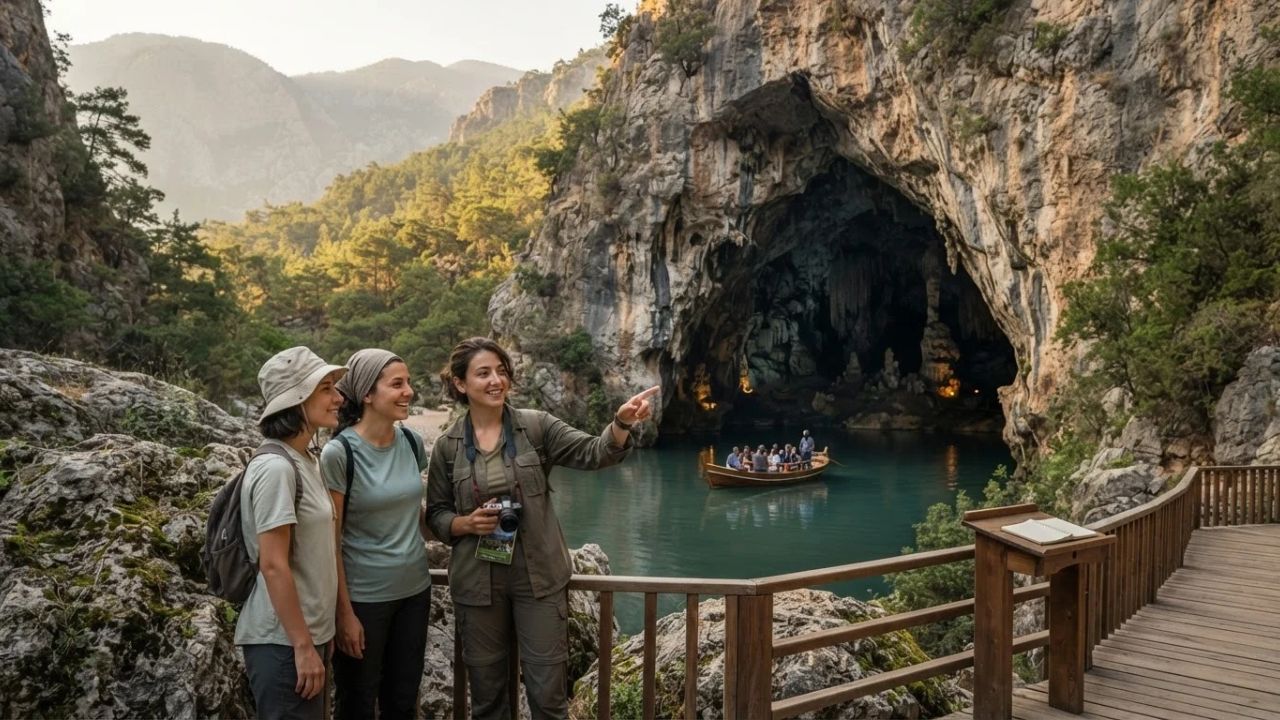
Image generated by AI
Altınbeşik Cave National Park has emerged as a global model for subterranean ecotourism, leveraging community-led conservation to redirect visitor spending to local guesthouses and agricultural villages. Home to Türkiye's largest underground lake, the park combines scientific climate research with low-impact visitor infrastructure.
Subterranean Solitude and the Digital Detox Trend
A major trend in modern adventure travel is the rise of subterranean solitude and involuntary digital detox programs. Travelers are looking beyond traditional nature trails to seek out deep-cave environments that offer a complete absence of cellular connectivity. Deep within cavern systems, the inability to receive notifications or check digital platforms forces a psychological reset, allowing visitors to engage their senses and focus on their immediate surroundings.
This trend has driven significant growth in karst topography tourism, where visitors participate in silent boat tours to experience geological formations in quiet reflection, far from crowded coastal resorts.
Geological Significance of Türkiye's Largest Underground Lake
Located within the Mediterranean region, the cave system is a prominent geological landmark:
- System Scale: Altınbeşik Cave is Türkiye's largest underground lake and ranks among the largest underground lakes globally.
- Formation Process: Millennia of chemical and physical interactions between flowing water and porous limestone have carved a complex labyrinth of chambers, mineral deposits, and aquatic passages.
- Scientific Database: Cavern mineral deposits—including ancient stalactites and stalagmites—hold trapped environmental data, allowing climate researchers to analyze historical weather patterns.
This intersection of travel and research attracts university groups, speleologists, and nature enthusiasts seeking educational travel experiences.
Advanced Eco-Infrastructure Engineering
To support visitor access without compromising the cave's environment, park authorities have integrated low-impact engineering:
- Elevated Boardwalks: Strategically placed wooden boardwalks hover above the fragile cavern ground, ensuring that human footsteps do not disrupt natural water pathways.
- Solar-Powered Lighting: Low-voltage solar systems illuminate the chambers, minimizing heat emissions that could affect the cavern's delicate microclimate.
- Water Table Protection: Strict safeguards prevent contamination of the subterranean water table, protecting the microscopic life and mineral growth processes occurring in the dark.
This balance between welcoming visitors and protecting natural assets serves as a model for subterranean park management globally.
Community-Led Conservation and Village Empowerment
The growth of ecotourism at Altınbeşik Cave has supported the revitalization of rural economies in surrounding valleys:
- Grassroots Tourism: Tourism revenue flows directly to local communities, supporting family-owned guesthouses, regional craft markets, and local farmers.
- frontline Stewardship: By employing regional guides who possess generations of local knowledge, the program encourages residents to protect their native ecosystems.
- Decentralized Travel: Redirecting visitor spending to rural areas reduces the pressure on heavily congested coastal resorts, supporting a more balanced regional economy.
This localized approach ensures that the communities situated closest to the park benefit directly from its protection.
Altınbeşik Cave Ecotourism Coordinates
The table below breaks down the key features, eco-infrastructure systems, and community initiatives shaping the national park:
| Cavern Asset | Geological Classification | Eco-Infrastructure System | Local Economic Impact | Research Focus |
|---|---|---|---|---|
| Altınbeşik Cave | Largest underground lake in Türkiye | Elevated wooden boardwalks & solar lighting | Funding village guesthouses & local guides | Karst topography & climate change archives |
These details show the structure of the park's ecotourism model and highlight its geological value.
Heritage Preservation and Local Resource Stewardship
For the visitor, the real impact of community-led conservation is the opportunity to support the preservation of traditional Mediterranean villages. Choosing local guesthouses and guide cooperatives ensures that travel expenditures directly fund the restoration of historic stone houses and support traditional agriculture.
Additionally, the park's focus on non-motorized boat tours and solar-powered facilities minimizes emissions, protecting the cavern's air quality. This model highlights how responsible travel can support local livelihoods while preserving delicate geological assets.
For example, you can explore the changing dynamics of Cavern Conservation: Türkiye's Altınbeşik Cave National Park Powers Village Ecotourism to see other conservation efforts. For budget-conscious travelers, aligning slow city travel with municipal transit options mirrors similar regional initiatives, such as the Free Admission at Select US State Parks programs. This trend is similar to the tourism growth seen in other destinations, as detailed in our guide on how Utica, New York Emerges as an Affordable Northeast Tourism Hub.
Visitor Insider Tips: Exploring Altınbeşik Cave
If you are planning an expedition to Altınbeşik Cave National Park, keep these practical tips in mind:
- Plan Around Optimal Water Levels: Visit the cave during the late spring and early summer when water levels are most suitable for boat tours.
- Dress for Cool Cavern Temperatures: Caverns maintain a damp, cool temperature throughout the year. Bring warm layers and sturdy footwear for the boardwalks.
- Store Electronic Devices Safely: Take advantage of the digital detox environment. Keep mobile phones in waterproof bags to protect them during boat rides.
- Hire Local Guides in the Villages: Use independent village guides to learn about regional history and locate authentic dining spots.
- Choose Community Guesthouses: Book stays at family-run guesthouses in neighboring villages to support the local economy directly.
Long-Term Outlook for Subterranean Ecotourism in Türkiye
The long-term outlook for the region's ecotourism sector is focused on expanding scientific partnerships, upgrading trail infrastructure, and developing community-led travel programs. As global interest in sustainable travel grows, the integration of advanced eco-infrastructure and local resource stewardship is expected to support steady growth.
By protecting delicate geological formations and supporting rural villages, the region aims to build a sustainable travel model for future generations.
FAQ
What makes Altınbeşik Cave National Park unique?
The park is home to Türkiye's largest underground lake and features a complex karst cave system.
How does the park protect its underground environment?
The park utilizes elevated wooden boardwalks and solar-powered lighting systems to minimize human impact on the cave's microclimate and water table.
What is the role of local communities in the park's tourism?
Local residents operate guesthouses, guide excursions, and manage craft stalls, keeping tourism revenue within the rural economy.
Can researchers use the cave for climate studies?
Yes, scientists analyze mineral formations like stalactites and stalagmites to reconstruct historical climate changes.
Stay updated on the ecotourism programs and geological research shaping travel in Türkiye.
Related Travel Guides
Disclaimer
This article is for informational and educational purposes only. It does not constitute legal, financial, or professional advice. While we strive to provide accurate and up-to-date information, travel policies, regulations, and conditions change rapidly. Always verify information with official sources before making travel decisions. Nomad Lawyer makes no representations about the accuracy, reliability, completeness, or suitability of the information provided. Readers should consult qualified professionals for advice specific to their circumstances. The views expressed in this article are those of the author and do not necessarily reflect the views of Nomad Lawyer.
Raushan Kumar
Founder & Lead Developer
Full-stack developer with 11+ years of experience and a passionate traveller. Raushan built Nomad Lawyer from the ground up with a vision to create the best travel and law experience on the web.
Learn more about our team →