
United States Promotes Albuquerque as a Premier Destination for Cultural Tourism in the Southwest, Showcasing Flamenco Heritage and Indigenous Traditions: New Travel Alert
The United States showcases Albuquerque for cultural tourism in the Southwest, highlighting Native American heritage, Spanish flamenco, and chiles.

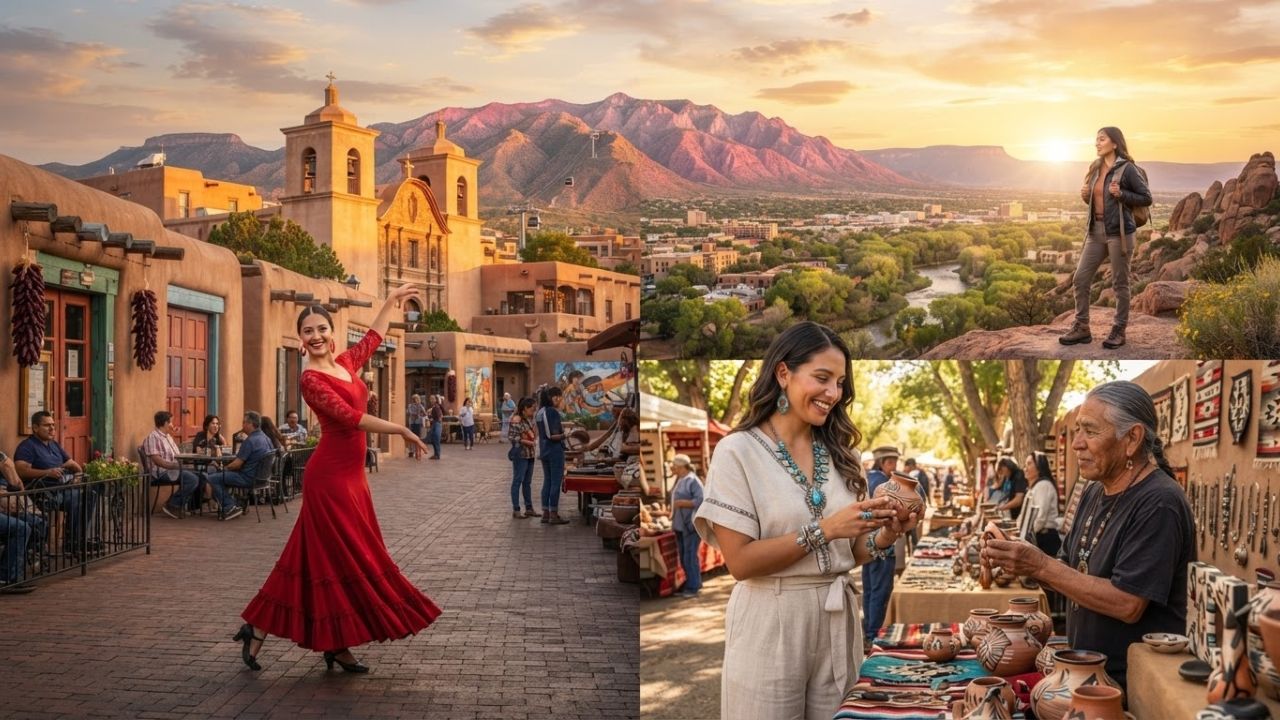
Image generated by AI
Published on July 27, 2026
The United States is aligning with countries like Spain to showcase Albuquerque, New Mexico, as a major hub for cultural tourism in the Southwest. This initiative combines centuries-old Indigenous traditions, Spanish flamenco heritage, and regional New Mexican culinary excellence into one immersive travel experience. Travelers planning a Southwest vacation are advised to check event schedules, Native cultural center guidelines, and mountain tramway conditions before their journey.
Quick Summary
- Intercultural Fusion: Albuquerque is redefining travel by blending Spanish colonial history, Native American heritage, and modern digital arts.
- Flamenco Hub: Recognized as a North American capital for Spanish flamenco, the city hosts year-round performances and workshops.
- Agritourism & Chile: New Mexican culinary identity is highlighted through signature red and green chiles and farm-to-table dining.
- Ancient Art Preservation: Thousands of historic petroglyphs carved in volcanic rock are protected inside the local national monument.
As global travel preferences pivot toward low-impact, nature-focused vacations, the American Southwest stands out as a unique destination. Supported by the New Mexico Tourism Department, local tourism boards are promoting Albuquerque as a key center for experiential travel. By investing in sustainable practices, supporting local Native artisans, and preserving historic neighborhoods, the city offers travelers immersive experiences that support local communities. This balanced development approach aligns with federal efforts to showcase regional diversity and creative industries to international visitors.
Incident Details: Albuquerque Redefines Cultural Tourism in the Southwest
Albuquerque is drawing international travelers through a multi-faceted cultural portfolio that includes:
- The Flamenco Movement: Originating in southern Spain, the expressive art form has found a major North American center in Albuquerque, which supports professional dance companies, passionate singing, guitar performances, workshops, and educational programs.
- Pueblo and Indigenous Traditions: Local Pueblo museums and cultural centers display handcrafted pottery, jewelry, textiles, and ceremonial artifacts, offering educational programs while directly supporting Native American artisans.
- Historic Old Town district: Featuring classic adobe architecture, historic plazas, local art galleries, and specialty shops, this neighborhood preserves the area's Spanish colonial roots.
- Agritourism and Gastronomy: Food tourism centers on signature New Mexican chiles (both red and green) alongside farm-to-table restaurants utilizing regional vegetables, artisan food halls, and Southwestern culinary markets.
Travel Considerations and Disruption Risks for Southwest Visitors
While exploring Albuquerque is a rewarding experience, travelers must manage several seasonal limitations and travel guidelines:
- High-Desert Climates: The city sits in a high-desert environment. Summer temperatures can be intensely hot, requiring travelers to hike early and carry sufficient water to prevent heat-related issues.
- Sandia Peak Tramway Maintenance closures: The aerial tramway to the Sandia Mountains is subject to weather-related closures and routine inspections. Wind conditions can suspend rides without warning.
- Frail Archaeological Landscapes: The petroglyphs at Petroglyph National Monument (National Park Service) are carved into fragile volcanic rock. Visitors must stay on designated trails to prevent damage to these ancient carvings.
- Limited Event Capacity: Flamenco showcases, Native cultural demonstrations, and seasonal food festivals sell out quickly, making advanced ticketing mandatory.
- Seasonal Air Travel Surcharges: Accommodation rates and flight costs rise during regional festivals, necessitating early reservations for Old Town hotels.
Official Directives: Cultural Boards Align on Heritage Preservation
National and local cultural groups are advocating for the preservation of creative communities. According to representatives from the National Endowment for the Arts, supporting traditional crafts and performing arts is essential for preserving diverse regional identities.
Albuquerque officials emphasize that sustainable tourism practices—such as prioritizing regional agriculture and sourcing ingredients locally—protect the local economy. Authorities instruct visitors to respect sacred Native spaces, follow trail guidelines, and purchase authentic crafts from verified Indigenous artists to support local communities directly.
Practical Advice: Planning Your Cultural Trip to Albuquerque
Travelers planning to visit this destination should follow these essential steps to ensure a seamless and responsible trip:
- Purchase Flamenco Tickets in Advance: Secure tickets for live performances and evening workshops before your trip.
- Respect Native American Etiquette: Follow specific guidelines when visiting Pueblo museums and cultural centers.
- Verify Tramway Operating Status: Check weather reports and tramway operation updates before heading to the Sandia Mountains.
- Taste Regional Green and Red Chiles: Explore local farm-to-table menus and artisan food halls.
- Pack for High-Desert Conditions: Bring sunscreen, hats, sturdy walking shoes, and plenty of water for outdoor hiking.
- Walk Through Historic Old Town: Spend an afternoon exploring adobe plazas, local galleries, and historic specialty shops.
- Protect Irreplaceable Petroglyphs: Stay on designated walking trails when viewing ancient carvings in volcanic rock.
- Explore Interactive Venues: Combine traditional sightseeing with immersive digital projection mapping and themed dining experiences.
Broader Context: Global Alliances and the Value of Cultural Tourism in the Southwest
Albuquerque's travel sector relies on international connections, aligning with nations like Spain to promote heritage tourism. Instead of relying solely on outdoor sightseeing, the city has successfully positioned its living history as its primary tourism asset.
This strategy helps support local Native American and Spanish creative communities. By integrating cultural traditions into daily life through live performances, artisan markets, and regional cuisine, Albuquerque creates a sustainable travel model that preserves New Mexico's history while driving long-term economic growth.
Looking Ahead: Expanding Digital Arts and Sustainable Travel Initiatives
Local tourism agencies plan to invest in expanded virtual exhibits and interactive projection mapping installations in the historic center. Tourism boards are also collaborating with local agriculture associations to launch new farm-to-table culinary maps and heritage trail systems.
These developments aim to improve the traveler experience while maintaining the authentic character of the city's Indigenous and Spanish cultural assets for future generations.
Ultimately, Albuquerque's cultural tourism showcases a beautiful harmony between history, creative expression, and scenic beauty. The city's unique mix of Native American heritage, flamenco performances, and regional cuisine offers a genuine Southwest experience. Travelers who plan their trips carefully and practice responsible tourism can look forward to a memorable, culturally rich adventure in New Mexico.
FAQ: Albuquerque Cultural Tourism and Heritage Travel
Why is Albuquerque considered a major cultural destination?
Albuquerque combines centuries of Native American history, Spanish flamenco heritage, historic adobe Old Town plazas, regional cuisine, and scenic desert landscapes.
What is the significance of the flamenco scene in Albuquerque?
The city is a leading North American center for Spanish flamenco, hosting professional companies, workshops, and international performing arts events.
What attractions can outdoor enthusiasts explore in Albuquerque?
Popular spots include the Sandia Peak Tramway, hiking trails in the Sandia Mountains, botanical gardens, and Petroglyph National Monument.
What is special about Petroglyph National Monument?
The monument protects thousands of ancient rock carvings depicting celestial symbols, animals, and human figures created by early Indigenous peoples.
How does Albuquerque support sustainable tourism?
The city focuses on local agricultural partnerships, Native craft preservation, educational programming, and low-impact outdoor recreation.
Related Travel Guides
- San Marino Welcomes Over Two Million Visitors Despite Recording Zero Direct Cruise Tourism Arrivals, Urging Travelers to Explore the Historic Alpine Enclave: New Travel Alert
- Washington Aligns with National Campaigns to Promote Orchard Tourism in Washington and Columbia River Outdoor Adventures, Urging Pacific Northwest Travelers to Visit: New Travel Alert
- The 12 Best Cultural Destinations in the American Southwest, According to Reddit
Disclaimer
This article is for informational and educational purposes only. It does not constitute legal, financial, or professional advice. While we strive to provide accurate and up-to-date information, travel policies, regulations, and conditions change rapidly. Always verify information with official sources before making travel decisions. Nomad Lawyer makes no representations about the accuracy, reliability, completeness, or suitability of the information provided. Readers should consult qualified professionals for advice specific to their circumstances. The views expressed in this article are those of the author and do not necessarily reflect the views of Nomad Lawyer.
Kunal K Choudhary
Co-Founder & Contributor
A passionate traveller and tech enthusiast. Kunal contributes to the vision and growth of Nomad Lawyer, bringing fresh perspectives and driving the community forward.
Learn more about our team →