
The Reality of Budget Travel in Albania: How Rising Transport Costs and Flight Expansions Reshape Mediterranean Itineraries
With transport prices climbing 12% annually while accommodation remains stable, navigating Albania requires smarter regional transit strategies from Tirana to the Ionian coast.

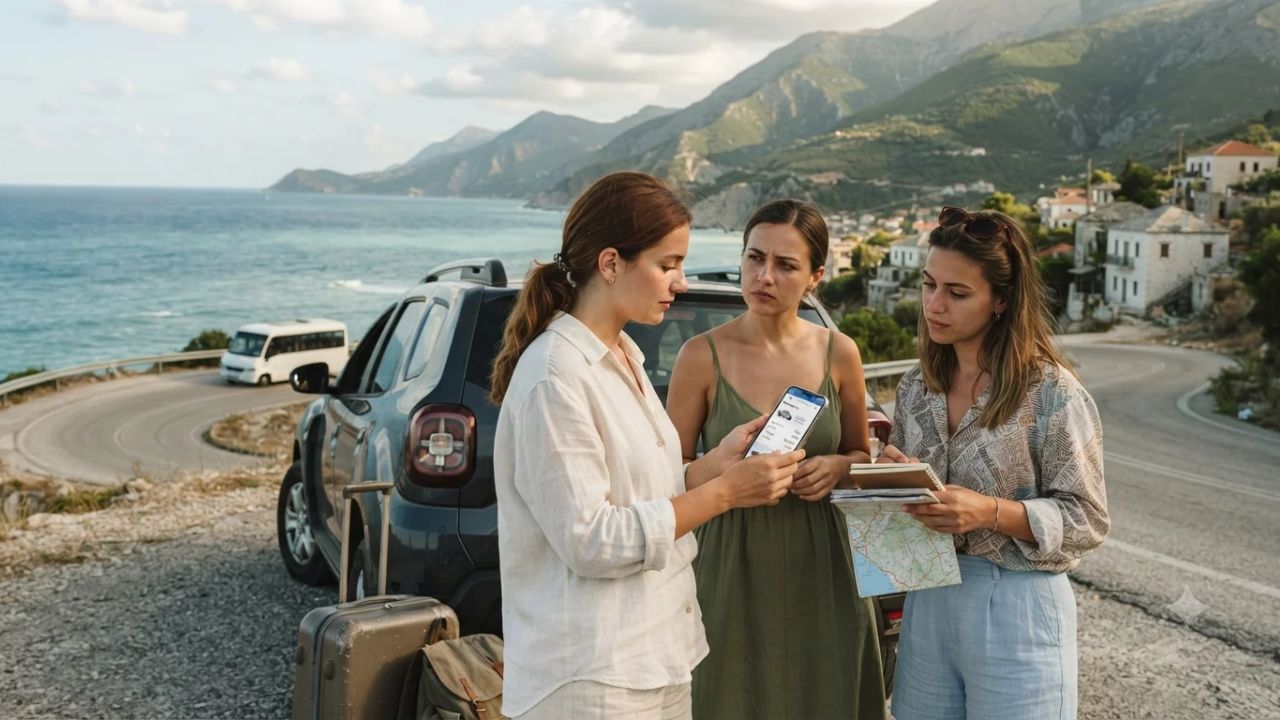
While Albania has earned global fame as the Mediterranean's ultimate affordable escape, getting between its mountain hamlets and coastal coves suddenly demands a revised financial strategy: national transport costs climbed 12.0 percent year-over-year in August 2026, far outstripping general inflation. According to official consumer price data released on September 8 by the national statistical institute INSTAT Albania, transit expenses represent the fastest-rising component of domestic expenses, jumping 3.9 percent in a single month between July and August. In contrast, restaurant and accommodation expenses rose at a modest 2.3 percent annual rate, creating a unique economic reality where sleeping and dining remain accessible bargains, but moving across the country requires deliberate tactical planning.
The price shift coincides with record-setting visitor volumes across the Balkan nation. Albania logged 3,459,588 total border crossings by domestic and international travelers in August 2026 alone—a 2.7 percent gain over the previous year. Meanwhile, registered accommodation stays during July jumped 15.2 percent annually, driven by an 18.3 percent surge in international guests alongside a 6.4 percent uptick in domestic vacationers. As budget carriers flood Tirana International Airport Nënë Tereza with low-cost routes, understanding how ground transportation affects overall trip budgets has become essential for anyone mapping an independent journey.
Economic Breakdown: August 2026 Tourism & Living Costs in Albania
| Expense Category | Annual Price Movement (August 2025 vs 2026) | Monthly Shift (July to August 2026) | Practical Impact on Traveler Budgets |
|---|---|---|---|
| Transport Services | +12.0% | +3.9% | Rental car fuel, private airport transfers, intercity taxi hire, and regional minibus adjustments |
| Recreation, Sport & Culture | +5.4% | Steady | Fortress entry fees, museum passes, national park permits, and guided day excursions |
| National Consumer Price Index (All Items) | +3.2% | Moderate | Baseline national inflation across household baskets |
| Food & Non-Alcoholic Beverages | +2.8% | Stable | Market produce, local bakery purchases (byrek), groceries, and café espresso stops |
| Restaurants & Accommodation | +2.3% | +0.2% | Guesthouse (bujtina) stays, coastal apartments, traditional tavern (taverna) dining |
What Is Changing Across Albania's Travel Infrastructure
The dynamics of traveling across Albania are undergoing rapid evolution. In earlier years, the primary barrier for international visitors was simply getting into the country, often requiring convoluted transfers via Corfu ferries or overland buses from neighboring Balkan states. Today, the initial arrival is cheaper and more direct than ever. In January, European ultra-low-cost carrier Ryanair stationed its fourth dedicated aircraft at Tirana International Airport starting in April 2026, launching a summer schedule of 43 total routes that introduced 20 direct connections across Europe, supported by state aviation tax policies and airport growth incentives that extend toward 2030.
However, once travelers step outside the terminal doors, the cost structure reverses. The headline 12.0 percent transport inflation reflects national increases in fuel distribution costs, fleet maintenance, vehicle import taxes, and localized transit pricing. Because Albania lacks a passenger rail network—the historic railway system built during the twentieth century remains largely decommissioned—every journey from the capital to coastal hotspots like Dhërmi, Himara, and Saranda relies exclusively on roads.
When budget travelers secure a twenty-euro flight into Tirana, they frequently assume ground connections will mirror those nominal rates. Instead, peak-season private taxi transfers between Tirana and the southern Riviera regularly range between 120 and 160 euros each way. For travelers hopping between destinations every two days, ground mobility now accounts for a significantly larger portion of the aggregate travel budget than beachfront lodging or seaside dinners.
What Makes Albanian Travel Logistics Unique
Traveling through Albania differs fundamentally from Western European circuits. The country's topography—defined by the jagged Accursed Mountains in the north and steep coastal ranges plunging straight into the Ionian Sea—creates dramatic scenery alongside demanding transit corridors. The winding Llogara Pass, though recently complemented by a new mountain tunnel route, still dictates travel times that cannot be measured purely in kilometers.
Public transit in Albania revolves around the furgon—privately operated passenger minibuses that connect every town and municipality without rigid online booking systems. Furgons depart primarily from regional bus terminals on the outskirts of cities, operating on semi-fixed schedules that fill on a first-come basis. While furgon fares remain affordable for locals and intrepid backpackers, prices have crept upward to absorb higher diesel prices, and routes rarely drop passengers directly at remote beaches or trailheads.
Simultaneously, the culinary and lodging sectors have demonstrated remarkable price restraint. Traditional family-run guesthouses throughout UNESCO-listed stone towns like Gjirokastër and Berat continue to provide generous hospitality, homemade breakfast spreads, and pristine heritage rooms at rates that have barely moved above the 2.3 percent accommodation inflation mark. Travelers who adopt a hub-and-spoke strategy—basing themselves in one atmospheric town for five to seven days rather than changing hotels daily—effectively bypass the brunt of rising transit overhead.
Visitor Insider Tips
- Master the Tirana Bus Terminal Logistics: Minibuses heading south toward Vlorë, Saranda, and Berat depart from the Regional Bus Terminal North and South (Terminali i Autobusëve të Veriut dhe Jugut) at Kamëz Overpass, not the city center. Board the dedicated green urban bus from behind the National Historical Museum in Skanderbeg Square to reach the terminal for less than 50 lek (under 50 cents).
- Book Rental Vehicles with Local Fleets: Major multinational airport car rentals add heavy deposits and insurance markups. Established local agencies in downtown Tirana offer comprehensive collision damage waivers with modest cash or debit deposits, often saving 30 to 40 percent on weekly rental packages.
- Carry Cash Lek for All Regional Transit: Drivers on regional furgon routes and local rural taxis do not accept credit cards or digital payment apps. Withdraw Albanian lek (ALL) at fee-free local bank ATMs (such as Credins Bank) before leaving Tirana to avoid unfavorable exchange rates at highway rest stops.
- Plan Around the October Shoulder Season: August border entries topped 3.45 million crossings, crowding narrow coastal roads and driving up taxi surcharges. Visiting during October brings warm Adriatic waters, empty mountain passes, and substantial drops in car rental rates while autumn produce floods local markets.
- Utilize Maritime Crossings for Southern Exits: If your itinerary ends in Saranda or Ksamil, take the 30-minute passenger hydrofoil ferry directly across the Corfu Channel to Greece to catch return flights home, bypassing an expensive six-hour overland road trip back to Tirana.
Cultural and Environmental Context
The influx of millions of international travelers brings profound economic opportunity alongside preservation challenges for Albania's historic communities and coastal ecosystems. In stone cities like Berat and Gjirokastër, inscribed on the UNESCO World Heritage Centre register for their Ottoman-era architectural integrity, tourism revenue directly supports the structural restoration of historic fortified dwellings (kullë). Local artisan cooperatives and traditional weavers find direct commercial outlets that sustain ancestral crafts.
At the same time, rapid road construction and expanding vehicle traffic exert environmental pressure on sensitive coastal zones along the Albanian Riviera and pristine alpine valleys in the Albanian National Tourism Agency priority conservation corridors, including the Vjosa River National Park—Europe's first wild river national park. By choosing public furgons, utilizing shared transfers, and patronizing local village homestays rather than high-turnover rental fleets, conscientious travelers ensure their spending supports community livelihoods while minimizing vehicular congestion along fragile mountain roads.
FAQ: Visiting Albania 2026
Why did Albania transport costs rise by 12 percent?
National data from INSTAT shows transportation increases were driven by rising fuel expenses, vehicle maintenance costs, and increased operational overhead across domestic fleets during peak summer travel periods.
What is the most budget-friendly way to get around Albania?
Intercity furgons (minibuses) remain the most affordable option, connecting all major towns for just a few hundred lek per journey, provided you can accommodate informal schedules and pay in cash.
Do I need a visa to visit Albania in 2026?
Citizens of the United States, European Union, Canada, the United Kingdom, and Australia can enter Albania visa-free for tourism stays of up to 90 days within a 180-day period.
When will INSTAT publish the full August accommodation data?
INSTAT is scheduled to release official August 2026 accommodation establishment figures on October 16, 2026, updating the record 15.2 percent annual growth observed during July.
By anchoring in historic regional hubs and choosing local transit networks, savvy travelers can still experience Albania's Mediterranean magic without letting transport inflation dictate the journey.
Related Travel Guides
- Europe EES Biometric Borders: What American Travelers Must Know Before Schengen Trips
- Rhodes Medieval Polyphony Festival: Heritage Travel Guide to Greece's Dodecanese Citadel
- Italy's Basilicata Screen Tourism Trail: Matera & Craco European Film Routes
- Halifax Harbour Bridges Weekend Closure: Transit and Ferry Travel Guide
Disclaimer
This article is for informational and educational purposes only. It does not constitute legal, financial, or professional advice. While we strive to provide accurate and up-to-date information, travel policies, regulations, and conditions change rapidly. Always verify information with official sources before making travel decisions. Nomad Lawyer makes no representations about the accuracy, reliability, completeness, or suitability of the information provided. Readers should consult qualified professionals for advice specific to their circumstances. The views expressed in this article are those of the author and do not necessarily reflect the views of Nomad Lawyer.
Raushan Kumar
Founder & Lead Developer
Full-stack developer with 11+ years of experience and a passionate traveller. Raushan built Nomad Lawyer from the ground up with a vision to create the best travel and law experience on the web.
Learn more about our team →