
Akasa Launches SkyCadet Programme to Build India's Pilot Pipeline
Akasa Air launches SkyCadet pilot training programme in 2026 to develop commercial pilots for India's aviation sector, addressing critical talent shortage through comprehensive DGCA-approved flight training.

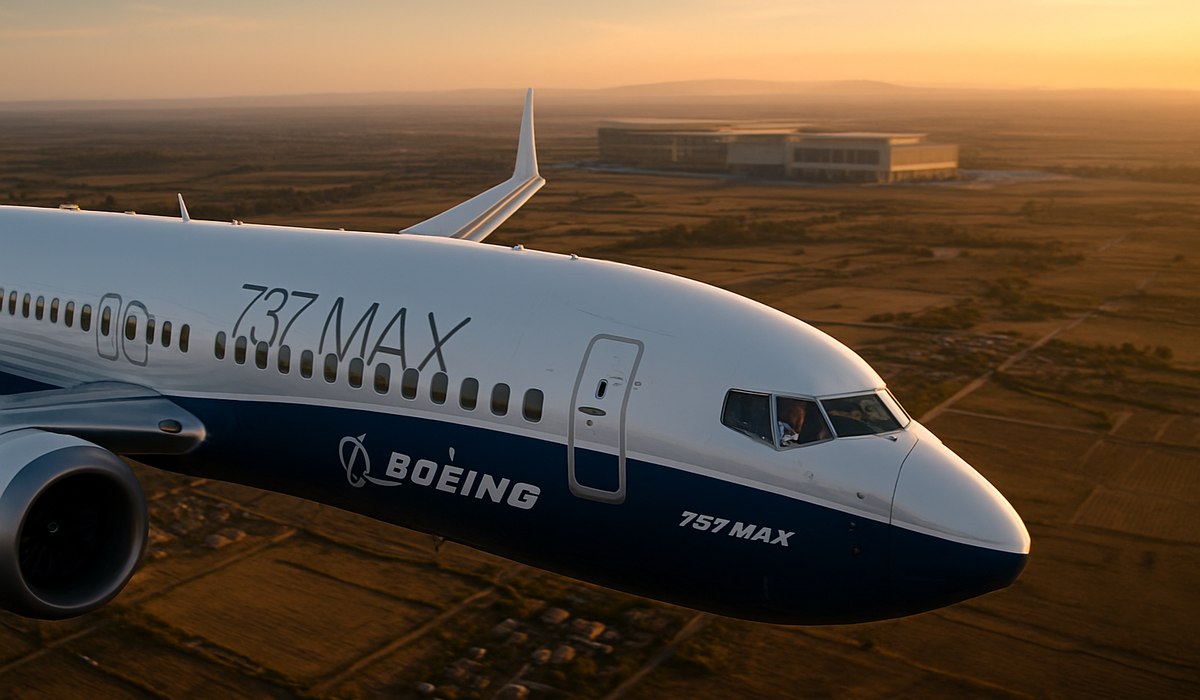
Image generated by AI
Akasa Air Launches SkyCadet Programme to Address Pilot Shortage
Akasa Air has officially launched the SkyCadet pilot training programme, a strategic initiative designed to cultivate a robust pipeline of commercially-trained pilots for India's booming aviation sector. The programme was unveiled on June 12, 2026, as the airline responds to unprecedented demand for qualified aviation professionals. Developed through partnerships with DGCA-approved flight training organizations, SkyCadet integrates comprehensive ground instruction, hands-on flight operations, and Boeing 737 MAX type certification into a unified career pathway for aspiring aviators.
This initiative directly addresses India's critical pilot shortage, which has intensified as domestic carriers expand fleets and routes across the subcontinent. The timing proves strategic as the Indian aviation market experiences double-digit growth annually.
Akasa SkyCadet Programme Overview
The SkyCadet curriculum represents a multi-phase training architecture tailored to transform candidates into airline-ready first officers. Participants progress through rigorous modules spanning aeronautical theory, meteorology, navigation, and cockpit resource management. Ground instruction covers aircraft systems, emergency procedures, and regulatory compliance mandated by India's Directorate General of Civil Aviation (DGCA).
Flight training components include practical hours in approved simulators and actual aircraft under instructor supervision. Candidates ultimately earn type rating certification on the Boeing 737 MAX, Akasa Air's primary aircraft, enabling them to commence commercial flying duties immediately upon programme completion. The structured approach eliminates knowledge gaps between training and operational deployment.
Akasa Air's partnership approach ensures trainees benefit from industry-standard protocols. Learn more about India's aviation sector growth through official sources.
Curriculum and Training Components Breakdown
The SkyCadet programme architecture divides training into four sequential phases spanning approximately 18-24 months. Phase One encompasses theoretical education in basic aviation science, covering meteorology, aircraft performance, and flight planning principles essential for modern commercial aviation.
Phase Two transitions candidates to simulator-based training environments, where they practice normal and emergency procedures without operational risk. Advanced technology flight training devices replicate Boeing 737 MAX systems with high fidelity.
Phase Three delivers supervised flight training in actual aircraft. Trainees accumulate flight hours while demonstrating competency in takeoff, landing, navigation, and emergency management under qualified instructor oversight.
Phase Four culminates in Boeing 737 MAX type rating completion and DGCA final certification. Graduates emerge fully qualified to operate commercial services for Akasa Air and other carriers employing the same aircraft type. This structured progression ensures gradual skill development and risk mitigation.
For context on aviation training standards, consult the DGCA official website.
Strategic Importance for India's Aviation Sector
India's commercial aviation sector has experienced remarkable expansion over the past decade, with domestic passenger numbers exceeding 140 million annually. This explosive growth has strained pilot supply, creating acute shortages affecting scheduling efficiency and route expansion capabilities across the industry. Akasa Air's SkyCadet programme directly counters this systemic challenge by generating homegrown talent.
The initiative demonstrates commitment to self-sufficiency in human capital development rather than relying exclusively on international recruitment. By training pilots domestically, Akasa Air reduces hiring costs while building organizational loyalty and cultural integration. The programme also contributes to India's broader aviation ecosystem by creating career pathways that attract talented individuals to professional flying.
Regional airlines and major carriers operating across India will benefit from an expanded pilot talent pool, ultimately improving service frequency and accessibility for traveling public. Akasa Air's proactive approach establishes benchmarks for industry-wide talent management strategies.
Long-term Impact on India's Commercial Pilot Pipeline
SkyCadet represents transformative infrastructure for India's aviation workforce development. If the programme produces 100-150 qualified pilots annually as planned, it could meaningfully address sector-wide shortages within five years. This cumulative supply would support fleet expansion initiatives across multiple carriers simultaneously.
Beyond immediate staffing benefits, the programme cultivates institutional knowledge about pilot development and retention within Akasa Air's organizational culture. Graduates trained through SkyCadet develop familiarity with company procedures, safety standards, and operational philosophy before their first commercial flight, reducing onboarding timelines significantly.
The programme's success creates replicable models that other Indian carriers may adopt. Industry-wide adoption of structured pilot development programmes could fundamentally stabilize India's aviation workforce, enabling sustainable growth projections through 2035 and beyond. Akasa Air's leadership position in this initiative strengthens competitive positioning while advancing sector-wide prosperity.
Key Data Points: SkyCadet Programme Metrics
| Metric | Details |
|---|---|
| Programme Launch Date | June 12, 2026 |
| Training Duration | 18-24 months (average) |
| Partnership Model | DGCA-approved flight training organizations |
| Aircraft Type Focus | Boeing 737 MAX |
| Primary Objective | Address India's pilot shortage |
| Expected Annual Output | 100-150 certified pilots (projected) |
| Certification Authority | Directorate General of Civil Aviation (DGCA) |
| Career Pathway | Ground school → Simulator training → Flight training → Type rating |
| Target Demographic | Indian aviation enthusiasts, career-changers, qualified candidates |
| Industry Impact | Supports domestic fleet expansion across Indian carriers |
What This Means for Travelers
1. Enhanced Flight Frequency and Route Expansion The SkyCadet programme enables Akasa Air to deploy additional aircraft on existing routes while launching new domestic services previously impossible due to pilot constraints. Travelers benefit from increased flight options, competitive pricing, and improved accessibility across India's secondary and tertiary cities.
2. Improved Service Quality and Safety Standards Graduates trained through structured, standardized curricula demonstrate higher proficiency and consistency in cockpit operations. Comprehensive training in emergency procedures and systems management translates to enhanced safety margins and professional service delivery for all passengers.
3. Career Opportunities for Aviation Enthusiasts The programme opens legitimate pathways for Indians interested in commercial aviation careers. Prospective pilots can access standardized, industry-recognized training without expensive international pilot schools, democratizing access to professional flying opportunities.
4. Long-term Airline Stability and Growth Addressing pilot shortages strengthens Akasa Air's operational stability and expansion capacity. Passengers enjoy reliable, growing service offerings from a financially healthy carrier committed to sustainable workforce development and customer experience.
Frequently Asked Questions
What is the Akasa SkyCadet programme? SkyCadet is Akasa Air's comprehensive pilot training initiative combining ground instruction, simulator training, and actual flight operations. Graduates earn DGCA certification and Boeing 737 MAX type ratings, qualifying them for commercial aviation positions. The programme typically spans 18-24 months.
Who is eligible to apply for SkyCadet training? Eligibility criteria include Indian citizenship, educational qualifications in science (typically 10+2 standard or equivalent), medical fitness certification from DGCA-approved aviation medical examiners, and English language proficiency. Specific age and previous experience requirements vary annually based on programme intake capacity.
How does SkyCadet address India's pilot shortage? By training 100-150 pilots annually through structured domestic programmes, SkyCadet builds sustainable workforce supply matching industry demand growth. This reduces reliance on expensive international recruitment while developing pilots culturally integrated into Indian aviation operations.
What aircraft type do SkyCadet graduates fly? Graduates complete type rating certification on the Boeing 737 MAX, Akasa Air's primary fleet aircraft. This narrow-body jet dominates India's
Disclaimer
This article is for informational and educational purposes only. It does not constitute legal, financial, or professional advice. While we strive to provide accurate and up-to-date information, travel policies, regulations, and conditions change rapidly. Always verify information with official sources before making travel decisions. Nomad Lawyer makes no representations about the accuracy, reliability, completeness, or suitability of the information provided. Readers should consult qualified professionals for advice specific to their circumstances. The views expressed in this article are those of the author and do not necessarily reflect the views of Nomad Lawyer.
Preeti Gunjan
Contributor & Community Manager
A passionate traveller and community builder. Preeti helps grow the Nomad Lawyer community, fostering engagement and bringing the reader experience to life.
Learn more about our team →