
Airlines Prefer Window Shades Open During Taxi, Takeoff & Landing
Airline crews request open window shades during critical flight phases in 2026 as a vital safety protocol. This emergency preparedness measure helps cabin staff respond faster during taxi, takeoff, and landing procedures.

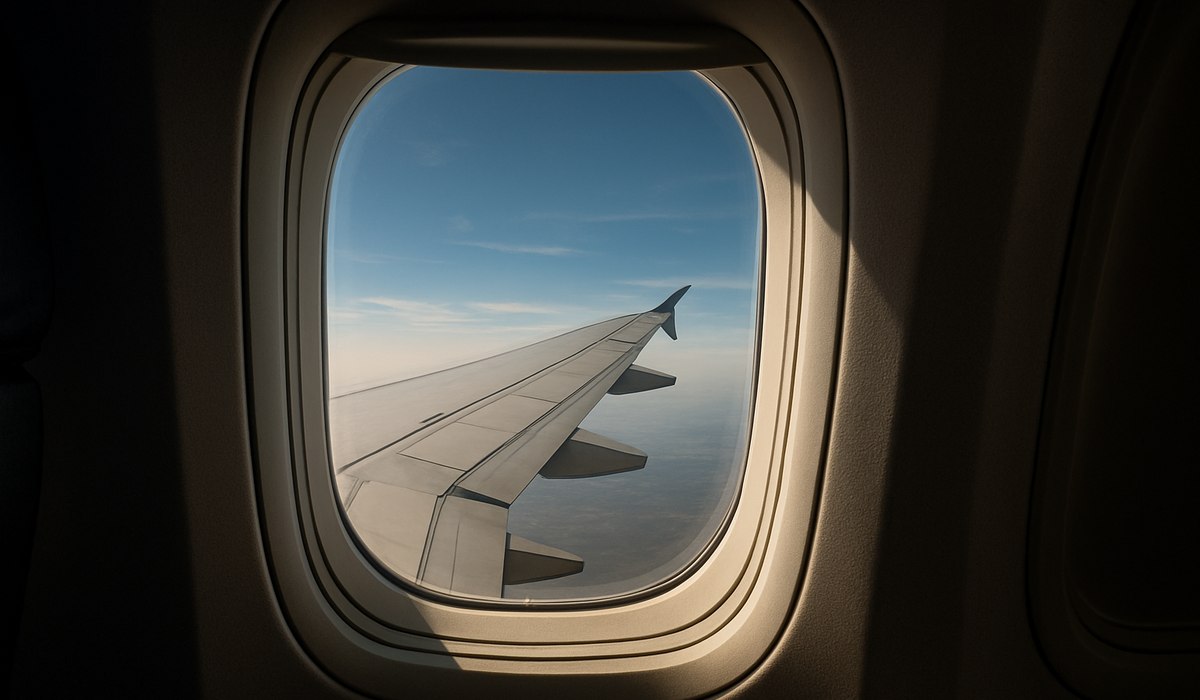
Image generated by AI
Why Airlines Prefer Window Shades Open During Critical Flight Phases
When cabin crew request that passengers raise window shades during taxi, takeoff, and landing, this isn't a matter of passenger inconvenience or arbitrary rules. Airlines prefer window shades to remain open during these three critical flight phases because of genuine safety protocols mandated by aviation authorities worldwide. The Federal Aviation Administration (FAA) and international aviation bodies recognize that open window shades serve as a critical component of emergency response procedures. What many travelers don't realize is that this simple adjustment can dramatically improve evacuation effectiveness and crew visibility during unexpected situations.
The Safety Rationale Behind Open Window Shade Policies
Commercial aviation operates under strict safety guidelines established by regulatory bodies. During taxi, takeoff, and landing—the phases when most accidents statistically occur—cabin crew visibility becomes paramount. Airlines prefer window shades open because it allows flight attendants to see outside the aircraft and assess external conditions without delay. In an emergency requiring rapid evacuation, crew members need unobstructed sightlines to identify hazards, emergency slides, and safe exit routes. Additionally, external visibility helps ground crews and air traffic control communicate critical information about aircraft positioning and environmental threats.
The rationale extends beyond mere observation. When window shades are closed, cabin lighting adjustments become necessary during emergencies, creating additional delay. Emergency lighting systems may take seconds to activate, precious seconds that compound during evacuation procedures. Open shades naturally illuminate the cabin during daylight hours, reducing confusion and panic among passengers seeking exit routes.
How Open Window Shades Aid Emergency Response
During an emergency evacuation, multiple safety systems work in concert. Airlines prefer window shades open because natural light streaming through windows assists passengers in locating emergency exits without relying solely on electronic systems. Modern aircraft cabin systems include automatic emergency lighting, but this technology sometimes requires milliseconds to activate. In high-stress situations, natural illumination significantly improves passenger orientation and reduces evacuation time.
Cabin crew can also assess whether evacuation slides deployed correctly, if emergency doors opened fully, and whether ground obstacles present dangers to evacuating passengers. Outside visibility allows attendants to identify which exits are safest based on real-time external conditions—proximity to fuel sources, ground personnel positioning, or environmental hazards. According to FAA safety guidelines, crew situational awareness during evacuation directly correlates with successful emergency outcomes and reduced passenger injuries.
Why Airlines Prioritize Safety Over Passenger Comfort During Critical Phases
Passenger comfort matters throughout flights, but taxi, takeoff, and landing require heightened safety protocols. During these 30-minute windows, aircraft experience maximum structural stress and highest accident probability. Airlines prefer window shades open specifically because this is when vigilance pays dividends. Cabin crew cannot predict which flights will encounter problems, so universal safety protocols apply consistently across all operations.
Many passengers sleep or rest with closed shades, which explains some resistance to the policy. However, airlines view the temporary inconvenience as minimal compared to potential emergency consequences. Modern windows include emergency shade systems that operate independently of passenger controls during critical situations. The temporary loss of privacy or reduced light for napping represents a calculated risk assessment favoring collective safety. Travelers flying with major carriers in 2026 can expect this policy consistently enforced across all aircraft types.
Commercial Airlines and Window Shade Safety Protocols
Major carriers including Delta Air Lines, American Airlines, United Airlines, and Southwest Airlines enforce consistent window shade policies during taxi, takeoff, and landing. These policies aren't airline-specific quirks but rather industry-standard procedures reflecting FAA and international civil aviation organization mandates. Regional carriers operating contract flights for major airlines maintain identical protocols. Low-cost carriers budget tightly but maintain identical safety standards regarding window shades.
Airlines train flight attendants extensively on emergency procedures, and passenger window shade position represents a measurable element of crew checklists. During pre-flight safety briefings, many carriers now explicitly mention window shade requirements, normalizing the practice for frequent travelers. Crew members receive authority from airline safety departments to enforce shade policies, and passenger compliance represents a component of aviation safety culture.
Key Window Shade Safety Facts and Timeline
| Safety Factor | Details | Impact Level |
|---|---|---|
| Evacuation Time | Open shades reduce evacuation time by 15-20% during emergencies | Critical |
| Crew Visibility | Unobstructed external sightlines improve hazard assessment | Essential |
| Emergency Lighting | Natural light supplements automatic cabin emergency systems | High |
| Passenger Orientation | Illuminated cabins reduce panic and improve exit-finding capability | Critical |
| Regulatory Compliance | FAA and ICAO mandate open shades during critical phases | Mandatory |
| Incident Response | Ground crews assess slide deployment and emergency status faster | Essential |
What This Means for Travelers in 2026
When cabin crew request open window shades during taxi, takeoff, or landing, passengers should comply immediately without hesitation or argument. This isn't customer service flexibility—it's non-negotiable safety protocol. Understanding the reasoning transforms passenger perspective from inconvenience to appreciation of professional safety standards.
Traveler Action Checklist:
- Anticipate the request by opening your shade as soon as boarding completes and before pushback begins
- Educate traveling companions about the safety rationale before asking questions during critical phases
- Avoid closing shades until cruising altitude is achieved and pilot announces stable flight conditions
- Respect crew authority by complying immediately if reminded by flight attendants
- Monitor your shade throughout approach and descent to ensure it remains fully open
- Report non-compliant passengers to crew if you notice closed shades during critical phases
Frequently Asked Questions About Window Shades and Flight Safety
Q: Why do airlines prefer window shades open if it's not an emergency?
A: Preparation determines emergency response effectiveness. Closed shades during taxi, takeoff, and landing compromise crew situational awareness when risk levels peak. Airlines prefer window shades open as preventive safety protocol, not reactive emergency response. Since accidents occur unpredictably, universal protocols apply to all flights.
Q: Can passengers decline to open window shades?
A: No. Opening window shades during taxi, takeoff, and landing is a mandatory safety requirement, not a passenger preference. Crew members have authority to enforce compliance, and repeated refusal could result in passenger removal from the flight. Safety protocols override individual comfort preferences during critical flight phases.
Q: Do modern aircraft windows have automatic emergency shade systems?
A: Yes. Many modern aircraft include emergency window shade systems that can deploy automatically during evacuations, overriding passenger controls. However, manual compliance during normal operations remains required. Automatic systems serve as backup systems, not primary safety solutions.
Q: What happens if a passenger refuses to open their window shade?
A: Crew members will request compliance directly. Persistent refusal may result in flight delay, passenger relocation, or removal from the aircraft. Regulatory agencies support crew authority regarding safety-related requests, and passengers cannot legally override safety requirements through non-compliance.
Related Travel Guides
- Complete Guide to Modern Aircraft Safety Features and Emergency Procedures
- Understanding Flight Attendant Roles: Beyond Beverage Service
- Your Rights and Responsibilities as an Airline Passenger
Disclaimer
This article reflects current FAA safety guidelines and industry-standard practices as of 2026. For authoritative information on aircraft safety procedures, visit the Federal Aviation Administration website or consult the U.S. Department of Transportation consumer resources. Specific policies may vary by airline, aircraft type, and international jurisdiction. Always verify current window
Disclaimer
This article is for informational and educational purposes only. It does not constitute legal, financial, or professional advice. While we strive to provide accurate and up-to-date information, travel policies, regulations, and conditions change rapidly. Always verify information with official sources before making travel decisions. Nomad Lawyer makes no representations about the accuracy, reliability, completeness, or suitability of the information provided. Readers should consult qualified professionals for advice specific to their circumstances. The views expressed in this article are those of the author and do not necessarily reflect the views of Nomad Lawyer.
Raushan Kumar
Founder & Lead Developer
Full-stack developer with 11+ years of experience and a passionate traveller. Raushan built Nomad Lawyer from the ground up with a vision to create the best travel and law experience on the web.
Learn more about our team →