
Airlines Economy Airways: 7 Global Carriers Redefining Long-Haul Comfort in 2026
Asian and Middle Eastern airlines economy airways are revolutionizing long-haul travel with wider seats, enhanced recline, and premium amenities in 2026, while US carriers begin catching up to innovation leaders.

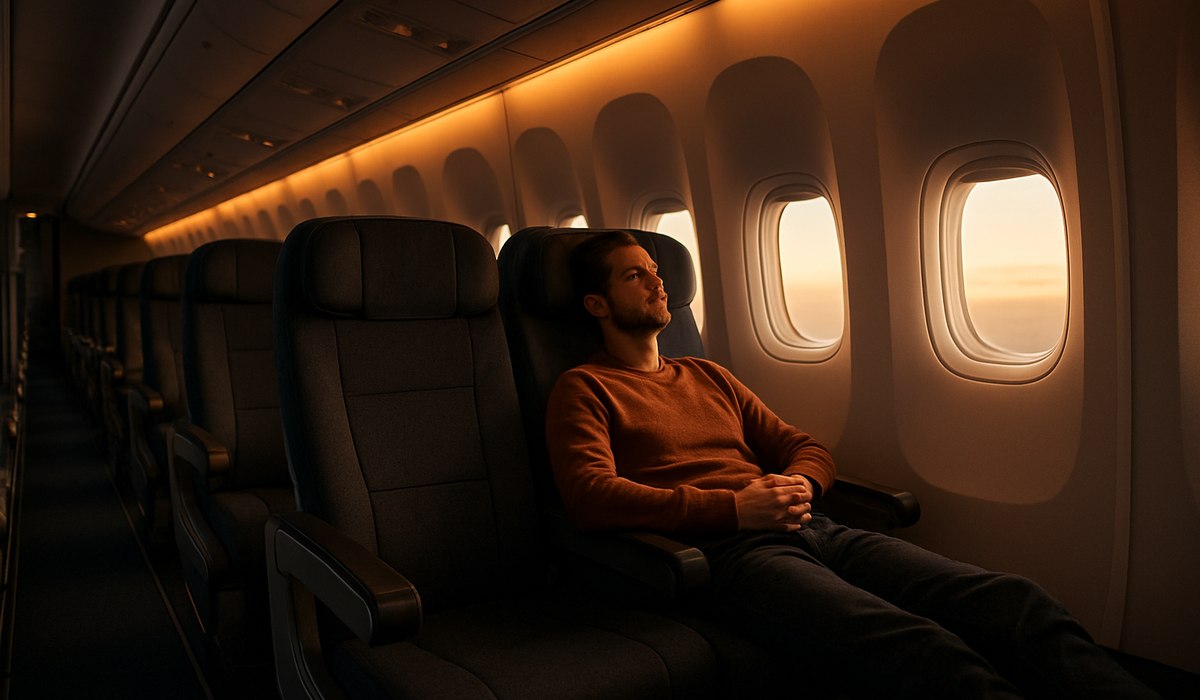
Image generated by AI
The Economy Comfort Revolution
Seven global carriers are fundamentally reshaping how passengers experience long-haul economy travel, introducing wider seat configurations, enhanced recline angles, and premium amenities previously reserved for premium cabins. The airlines economy airways market has become increasingly competitive as carriers recognize that passenger comfort directly influences booking decisions and loyalty. What began as niche innovations has evolved into industry-wide expectations, with carriers investing millions into cabin redesigns. This shift reflects changing traveler priorities post-2025, where comfort matters as much as price on routes exceeding eight hours. Airlines understand that differentiating economy products creates revenue opportunities while building customer satisfaction metrics that drive repeat bookings.
Asian Airlines Leading Innovation
Asian carriers have emerged as undisputed leaders in economy airways innovation, setting benchmarks that competitors worldwide now attempt to match. Singapore Airlines introduced redesigned economy seats featuring enhanced lumbar support and 18-inch seat widths on their Boeing 787 fleet, gaining widespread passenger recognition. Thai Airways implemented economy seats with adjustable headrests and increased legroom configurations on select long-haul routes between Bangkok and European destinations. Japan Airlines deployed premium economy-inspired seats to their A350 aircraft, featuring improved padding and better armrest designs that reduce passenger fatigue during ultra-long-haul flights.
Cathay Pacific invested heavily in economy cabin upgrades, introducing seats with sliding foot rests and improved ventilation systems. Malaysian Airlines rolled out seats with 8-inch recline options across their widebody network. EVA Air, Taiwan's flagship carrier, pioneered modular seat designs allowing crew to adjust configurations based on passenger demographics and route requirements.
These Asian airlines economy airways innovations have forced Western competitors to accelerate development cycles. The region's focus on engineering excellence and passenger-centric design creates a competitive advantage extending beyond seat dimensions to cabin technology integration.
Middle Eastern Carriers Enter the Ring
Middle Eastern airlines are rapidly closing the gap with their Asian counterparts through aggressive cabin modernization programs. Emirates launched enhanced economy seating with wider dimensions and improved padding across their massive A380 and 777 fleet serving destinations from New York to Sydney. The carrier's economy product now features direct aisle access configurations on certain aircraft, improving boarding efficiency while reducing passenger congestion during flight transitions.
Qatar Airways introduced economy seats with enhanced lumbar support technology and improved recline mechanisms on their Airbus A350 fleet. Their airlines economy airways offerings now include USB-C charging ports and larger personal device holders, addressing contemporary traveler needs. Etihad Airways implemented seats featuring noise-canceling technology and improved lighting systems designed to reduce jet lag symptoms on ultra-long-haul routes.
These Middle Eastern carriers leverage their geographic position as global aviation hubs to test innovations before wider fleet deployment. Their investments signal confidence that economy cabin improvements directly impact profitability and market share growth.
What Sets These Airlines Apart
The seven airlines economy airways leaders distinguish themselves through consistent investment in passenger research and iterative design improvements. Winners focus on three key metrics: measurable seat width increases (17.5 to 18.5 inches), recline angles exceeding eight inches, and integrated technology addressing modern traveler expectations like charging capabilities and entertainment system responsiveness.
Successful carriers employ passenger feedback loops throughout design phases, engaging frequent flyers in seat prototype testing before full production. They understand that small improvements compound—better armrests reduce shoulder pain, adjustable headrests improve sleep quality, and improved cushioning affects long-haul fatigue levels measurably.
The differentiation extends beyond hardware into service quality metrics. Leading airlines economy airways providers train cabin crews specifically on new seat features, enabling staff to help passengers maximize comfort features many don't recognize independently. Enhanced amenity packages including better bedding, premium toiletries, and improved meal service complement seat improvements.
Price positioning matters critically. These carriers successfully maintain premium positioning for economy products, justifying 15-25% price premiums over basic economy offerings without full premium cabin pricing. This sweet spot attracts passengers willing to invest in comfort while remaining price-conscious relative to business class alternatives.
Passenger Experience Metrics
| Airline | Seat Width | Recline Angle | USB Charging | Headrest Type | Route Examples |
|---|---|---|---|---|---|
| Singapore Airlines | 18.5" | 8" | Yes | Adjustable | SIN-LHR, SIN-LAX |
| Thai Airways | 18" | 7.5" | Yes | Fixed | BKK-LHR, BKK-CDG |
| Japan Airlines | 17.75" | 8" | Yes | Adjustable | NRT-LHR, NRT-JFK |
| Cathay Pacific | 18" | 7.75" | Yes | Adjustable | HKG-LHR, HKG-SFO |
| Emirates | 18.5" | 7.5" | Yes | Fixed | DXB-JFK, DXB-LHR |
| Qatar Airways | 18" | 8" | Yes | Adjustable | DOH-LHR, DOH-NYC |
| EVA Air | 17.75" | 8" | Yes | Adjustable | TPE-LAX, TPE-JFK |
What This Means for Travelers
Understanding airlines economy airways options empowers travelers to make informed booking decisions that directly impact long-haul flight experiences. These innovations matter most on flights exceeding 10 hours, where seat comfort compounds throughout journey duration.
Actionable Steps for Maximizing Comfort:
-
Compare seat specifications on airline websites before booking, prioritizing carriers offering 18-inch minimum widths and 7.5-inch minimum recline angles.
-
Select specific seat assignments during booking, requesting seats featuring additional legroom or proximity to premium cabin bulkheads where available.
-
Arrive early for boarding to test seat features and request crew assistance understanding integrated technology systems before pushback.
-
Investigate airline websites for detailed cabin layout information, enabling strategic seat selection avoiding areas with limited recline or reduced personal space.
-
Combine airline selection with booking premium economy when budget permits on routes exceeding 12 hours, as these cabins offer superior dimensions and amenities.
-
Join airline loyalty programs providing seat upgrade opportunities and early boarding privileges, improving seat selection quality on budget reservations.
FAQ
What makes Singapore Airlines economy seats different from competitors? Singapore Airlines economy seats feature 18.5-inch widths with enhanced lumbar support and 8-inch recline angles across Boeing 787 fleets. The airline invests in ergonomic research, designing seats addressing long-haul fatigue issues through improved padding density and cushioning materials. USB-C charging and responsive entertainment systems complement physical design improvements.
Are these comfortable economy seats worth the extra cost? Price premiums for enhanced airlines economy airways products typically range 15-25% above basic economy fares on equivalent routes. Passengers report improved sleep quality, reduced shoulder and neck pain, and higher satisfaction ratings justifying additional investment on flights exceeding 10 hours. Budget considerations should weigh these benefits against personal financial constraints.
How do Middle Eastern carriers compare to Asian airlines for economy comfort? Middle Eastern carriers like Qatar Airways and Etihad Airways match or exceed Asian competitors in seat dimensions and technology integration. Geographic positioning as major hubs enables competitive investments in cabin modernization. Service quality and amenity packages often exceed Asian carriers, though seat specifications remain comparable to Singapore Airlines and Cathay Pacific offerings.
When will US airlines match international standards for economy comfort? United Airlines introduced couch-style "Relax Rows" inspired by Air New Zealand innovation, indicating domestic carrier commitment to comfort improvements. Fleet modernization timelines suggest widespread adoption across US networks within 18-24 months as airlines retire older widebody aircraft and deploy new-generation aircraft featuring improved economy configurations.
Related Travel Guides
- [Best Airlines
Disclaimer
This article is for informational and educational purposes only. It does not constitute legal, financial, or professional advice. While we strive to provide accurate and up-to-date information, travel policies, regulations, and conditions change rapidly. Always verify information with official sources before making travel decisions. Nomad Lawyer makes no representations about the accuracy, reliability, completeness, or suitability of the information provided. Readers should consult qualified professionals for advice specific to their circumstances. The views expressed in this article are those of the author and do not necessarily reflect the views of Nomad Lawyer.
Preeti Gunjan
Contributor & Community Manager
A passionate traveller and community builder. Preeti helps grow the Nomad Lawyer community, fostering engagement and bringing the reader experience to life.
Learn more about our team →