
Airlines American Boeing 737 MAX 8 Restrictions on Atlantic and Pacific Routes
American Airlines restricts Boeing 737 MAX 8 aircraft to domestic routes despite sufficient range for transatlantic and transpacific service. The real reason behind this strategic deployment decision in 2026.

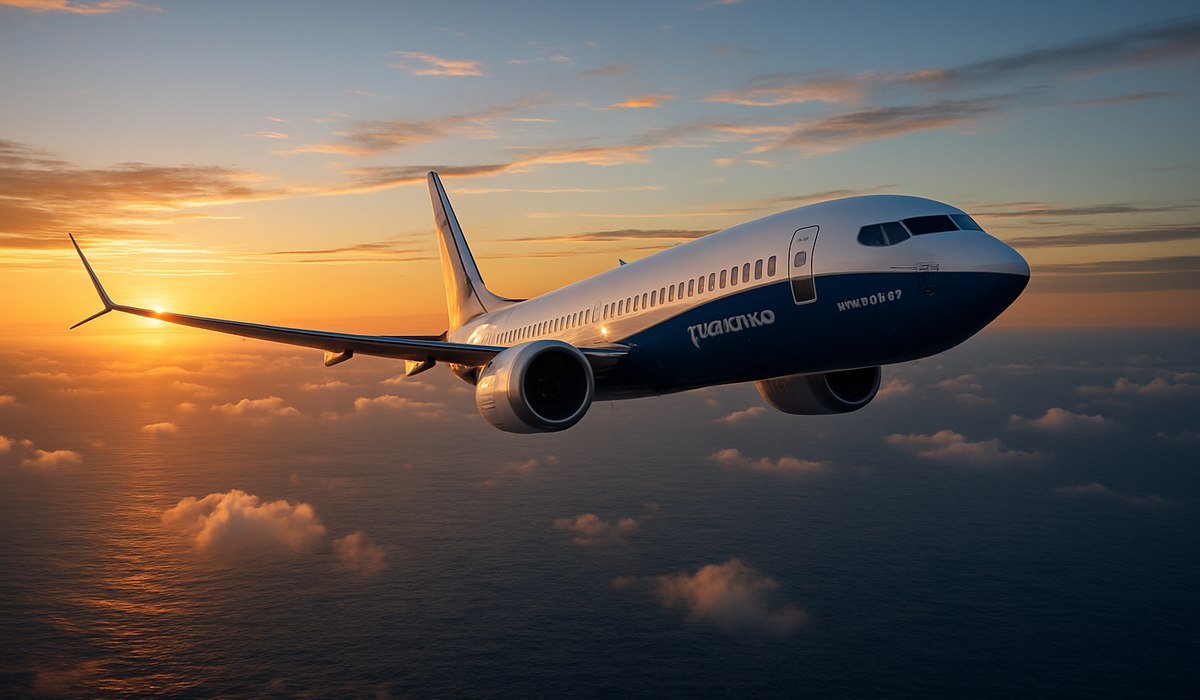
Image generated by AI
American Airlines Keeps Boeing 737 MAX 8 Fleet Off Long-Haul Routes
American Airlines maintains one of the aviation industry's largest narrowbody fleets, with Boeing 737 MAX 8 aircraft representing the fourth-largest aircraft type in its 1,000-plus plane inventory. Yet despite possessing sufficient range capabilities for transatlantic and transpacific service, American Airlines restricts these jets exclusively to domestic routes and overland flights within North America. This strategic deployment decision raises important questions about fleet optimization, operational economics, and passenger route options for 2026 travel planning.
The 737 MAX 8's technical specifications support long-haul operations with a maximum range exceeding 3,500 nautical miles—more than adequate for Atlantic routes to European destinations or extended Pacific flights to Hawaii and beyond. Understanding why American Airlines maintains these restrictions reveals significant insights into modern airline strategy and aircraft utilization patterns.
American's 737 MAX 8 Fleet Capabilities
American Airlines operates one of the largest Boeing 737 MAX fleets globally. The aircraft type sits fourth in the carrier's narrowbody inventory, behind the 737-800, Airbus A321, and A319 models. Each 737 MAX 8 can accommodate approximately 160-190 passengers in a single-cabin configuration, making them efficient for high-frequency domestic services.
The aircraft boasts impressive technical capabilities. With engines producing advanced fuel efficiency and a maximum range of 3,550 nautical miles, the 737 MAX 8 theoretically handles transatlantic flights to European hubs. Payload capacity considerations also support international operations. However, American Airlines has maintained operational boundaries restricting deployment to domestic and overland routes exclusively. This strategic limitation reflects broader decisions about aircraft assignment, crew scheduling, and maintenance protocols that extend beyond raw aircraft specifications alone.
Why Long-Range Routes Remain Off-Limits
The real reason behind airlines American Boeing fleet restrictions involves multiple interconnected factors beyond technical capability. Fleet deployment strategy prioritizes aircraft types specifically designed and certificated for extended over-water operations. Long-haul international service demands specialized crew training, extended-range equipment certifications, and enhanced maintenance protocols that differ substantially from domestic narrowbody operations.
American Airlines maintains dedicated widebody fleets for transatlantic and transpacific routes, including Boeing 777, Boeing 787 Dreamliner, and Airbus A350 aircraft. These widebodies offer superior passenger comfort for long-haul journeys, increased cargo capacity, and operational economics that justify premium international routes. The 737 MAX 8, while technically capable, lacks the business-class cabin configurations and premium amenities that premium international passengers expect on transatlantic or extended Pacific routes.
Regulatory considerations also influence deployment decisions. The FAA and international aviation authorities establish Enhanced Over-Water Operations (EOWS) requirements for single-aisle aircraft conducting extended international flights. Implementing these protocols across a large narrowbody fleet requires substantial training investments, equipment modifications, and operational adjustments that American Airlines prioritizes differently than widebody assignments.
Strategic Fleet Deployment Decisions
American Airlines' aircraft assignment strategy reflects revenue optimization and operational efficiency principles. The 737 MAX 8 operates most profitably on domestic high-frequency routes where turn-around times remain short and seat-mile economics favor narrowbody operations. A single widebody transatlantic flight generates substantially higher per-seat revenue than a 737 MAX 8, even with maximum passenger load factors.
Route network architecture supports this strategy effectively. American maintains robust domestic hubs in Dallas, Charlotte, Phoenix, and Miami, where the 737 MAX 8 operates frequent departures throughout each day. This density-based approach maximizes aircraft utilization and crew efficiency metrics that drive profitability on shorter-haul domestic segments.
International expansion remains reserved for premium widebody aircraft serving leisure and business travel segments commanding higher fares. Transpacific Hawaii routes particularly benefit from widebody deployment, where passenger expectations for comfort, cabin pressure, and service amenities justify premium positioning. The 737 MAX 8 simply doesn't align with American's premium international product strategy, despite possessing adequate Pacific range capabilities.
Impact on Route Planning and Passenger Options
This deployment approach directly affects passenger route options and travel planning for 2026. Travelers seeking American Airlines service on European routes rely entirely on widebody aircraft availability, which limits daily frequency and scheduling flexibility compared to narrowbody operations. The 737 MAX 8 restrictions mean fewer transatlantic departure options, particularly from smaller American hubs.
For Pacific-bound travelers, American Airlines similarly restricts Hawaii and Asia-Pacific service to widebody aircraft, reducing available seats and potentially increasing fares on popular routes. Passengers booking through American's frequent flyer program may face limited award availability on long-haul routes, since narrowbody aircraft aren't deployed to these profitable segments.
However, the strategy maintains American's competitive positioning on these premium routes. Widebody deployment ensures superior cabin products, better cargo capacity for revenue optimization, and enhanced operational reliability for extended over-water journeys. Alternative carriers like United and Delta employ similar narrowbody restriction policies, making American's approach industry-standard.
| Metric | 737 MAX 8 | 787 Dreamliner | 777-300ER |
|---|---|---|---|
| Maximum Range | 3,550 nm | 7,635 nm | 7,370 nm |
| Typical Seats | 160-190 | 242-330 | 300-396 |
| International Routes | None | Transatlantic/Pacific | Transatlantic/Pacific |
| Over-Water Certification | Limited | Full Extended Range | Full Extended Range |
| Business Class Cabins | No | Yes | Yes |
| Primary Deployment | Domestic | Long-Haul | Long-Haul |
| Typical Block Hours | 4-5 hours | 9-12 hours | 9-13 hours |
| American Airlines Fleet Position | 4th Narrowbody | Long-Haul | Long-Haul |
What This Means for Travelers
American Airlines' 737 MAX 8 deployment strategy has concrete implications for your 2026 travel planning. Understanding these decisions helps optimize booking choices and manage expectations around available aircraft and service options on various routes.
Actionable Traveler Considerations:
-
Book widebody aircraft explicitly when purchasing tickets on American Airlines transatlantic or transpacific flights. Use aircraft type filters on third-party booking sites like FlightAware to verify which aircraft operates your specific flight.
-
Expect premium pricing on international routes since American reserves widebody aircraft—which cost substantially more to operate—for these profitable segments. This explains why European and Pacific routes command higher fares than domestic alternatives.
-
Plan around limited frequency on international routes since widebody aircraft availability constrains daily departures. Book further in advance for travel during peak seasons when premium widebody seats fill rapidly.
-
Consider alternative carriers if specific international routes show consistent aircraft downgrades or scheduling conflicts. United and Delta maintain similar narrowbody restrictions, but Southwest and Alaska Airlines offer different fleet strategies.
-
Monitor seat maps closely using American's website or third-party tools before purchasing seats on any international flight. Widebody aircraft offer superior cabin configurations, overhead bin space, and amenity features compared to narrowbody alternatives.
FAQ
Q: Could American Airlines operate 737 MAX 8s on transatlantic routes if they wanted to?
A: Technically yes—the aircraft possesses sufficient range capability. However, the business case doesn't justify deployment. Extended-range certification requirements, crew training investments, and passenger expectations for premium cabin configurations make widebody aircraft more profitable for transatlantic service.
Q: Are there regulatory restrictions preventing 737 MAX 8s from flying the Atlantic?
A: No specific regulatory prohibition exists. The FAA
Disclaimer
This article is for informational and educational purposes only. It does not constitute legal, financial, or professional advice. While we strive to provide accurate and up-to-date information, travel policies, regulations, and conditions change rapidly. Always verify information with official sources before making travel decisions. Nomad Lawyer makes no representations about the accuracy, reliability, completeness, or suitability of the information provided. Readers should consult qualified professionals for advice specific to their circumstances. The views expressed in this article are those of the author and do not necessarily reflect the views of Nomad Lawyer.
Preeti Gunjan
Contributor & Community Manager
A passionate traveller and community builder. Preeti helps grow the Nomad Lawyer community, fostering engagement and bringing the reader experience to life.
Learn more about our team →