
Global Airline Reservation System Glitch Triggers Widespread Booking Chaos and Flight Cancellations 2026
A critical failure in a global airline reservation platform has caused massive disruptions across North America, Europe, and Asia, leaving thousands of passengers stranded due to booking errors.

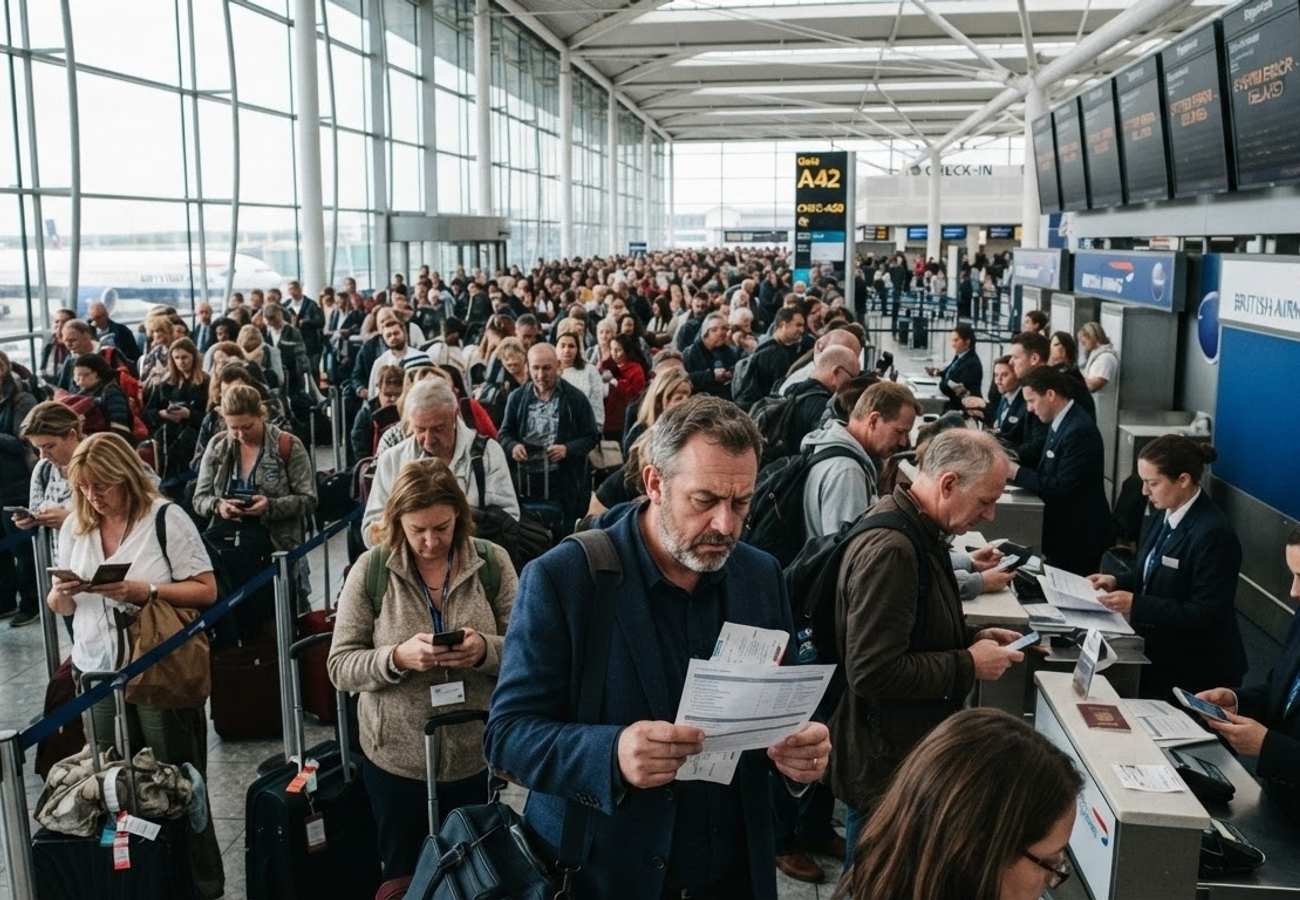
Image generated by AI
A large-scale outage affecting a core global airline reservation platform has disrupted travel across multiple continents, forcing emergency rebookings and causing massive queues at international hubs.
Global Reservation System Failure
A critical malfunction in a shared reservation and check-in platform has paralyzed operations for several international carriers. The outage manifested as systemic error messages during online booking, ticket modifications, and digital check-in processes.
Flight tracking data indicates a significant spike in same-day cancellations and delays, particularly impacting transatlantic and regional routes. Because these centralized systems manage everything from fare displays to mobile boarding passes, the failure has forced airlines to revert to manual processing, severely reducing throughput at boarding gates and check-in counters.
Airport and Route Impact Breakdown
The disruption is concentrated in major aviation hubs across North America, Europe, and Asia. Analysis of airport operations reveals the following primary points of failure:
- Digital Infrastructure: Total or intermittent failure of self-service kiosks and mobile app check-in functionality.
- Booking Integrity: Passengers reported "missing" seat assignments or reservations appearing as "waitlisted" despite prior confirmations.
- Third-Party Integration: Tickets issued via online travel agencies (OTAs) were frequently unretrievable by airline systems, requiring manual verification.
- Hub Congestion: Visible surges in queue lengths at service desks as passengers sought paper boarding passes and itinerary confirmations.
Passenger Rights and Compensation Advisory
For the affected passenger, a technical glitch does not absolve the airline of its duty of care. Depending on the jurisdiction and the nature of the flight, the following frameworks apply:
EU 261/2004 (European Union/UK) Our analysis of EU policy suggests that if your flight is canceled or delayed by more than three hours due to a system glitch, you may be entitled to fixed compensation (up to €600). While airlines often claim "extraordinary circumstances," IT failures within the airline's own infrastructure or its direct providers are generally not considered extraordinary.
- Action: Request a written statement explaining the cause of the delay.
US DOT Guidelines (United States) For flights within or departing from the US, passengers are entitled to a full refund if the airline cancels a flight and the passenger chooses not to travel. For controllable delays (which include most IT failures), passengers should seek "amenities" such as meal vouchers and hotel accommodations.
- Action: Document all out-of-pocket expenses for food and lodging.
Practical Steps for Impacted Travelers
- Evidence Collection: Take screenshots of error messages and save all digital communication from the airline.
- Manual Verification: If the app fails, go directly to a staffed counter. Do not rely on third-party agents who may be seeing the same system errors.
- Expense Tracking: Retain all receipts for meals, transport, and hotels. These are essential for reimbursement claims.
Industry Analyst View: The Fragility of Aviation IT
This incident highlights a systemic vulnerability in modern aviation: the reliance on a few centralized Global Distribution Systems (GDS) and cloud-service providers. When a single layer of the digital stack fails, the "knock-on" effect is immediate.
Aircraft and crew are displaced, meaning that even after the software is patched, the physical logistics of the network remain broken for days. The industry's drive toward maximum aircraft utilization has removed the "slack" from the system, leaving no room to absorb sudden technical shocks. We expect corporate travel managers to shift toward direct-flight preferences and longer connection windows to mitigate these recurring digital risks.
The aviation industry remains precariously dependent on legacy systems patched with modern interfaces, creating a single point of failure for millions of travelers.
Related Travel Guides
Disclaimer
This article is for informational and educational purposes only. It does not constitute legal, financial, or professional advice. While we strive to provide accurate and up-to-date information, travel policies, regulations, and conditions change rapidly. Always verify information with official sources before making travel decisions. Nomad Lawyer makes no representations about the accuracy, reliability, completeness, or suitability of the information provided. Readers should consult qualified professionals for advice specific to their circumstances. The views expressed in this article are those of the author and do not necessarily reflect the views of Nomad Lawyer.
Raushan Kumar
Founder & Lead Developer
Full-stack developer with 11+ years of experience and a passionate traveller. Raushan built Nomad Lawyer from the ground up with a vision to create the best travel and law experience on the web.
Learn more about our team →