
Airbus A320neo Variant Sits Idle as Airlines Reject Controversial Aircraft Model—Until Aviation Enthusiasts Step In
Breaking airline news and aviation industry updates for 2026.

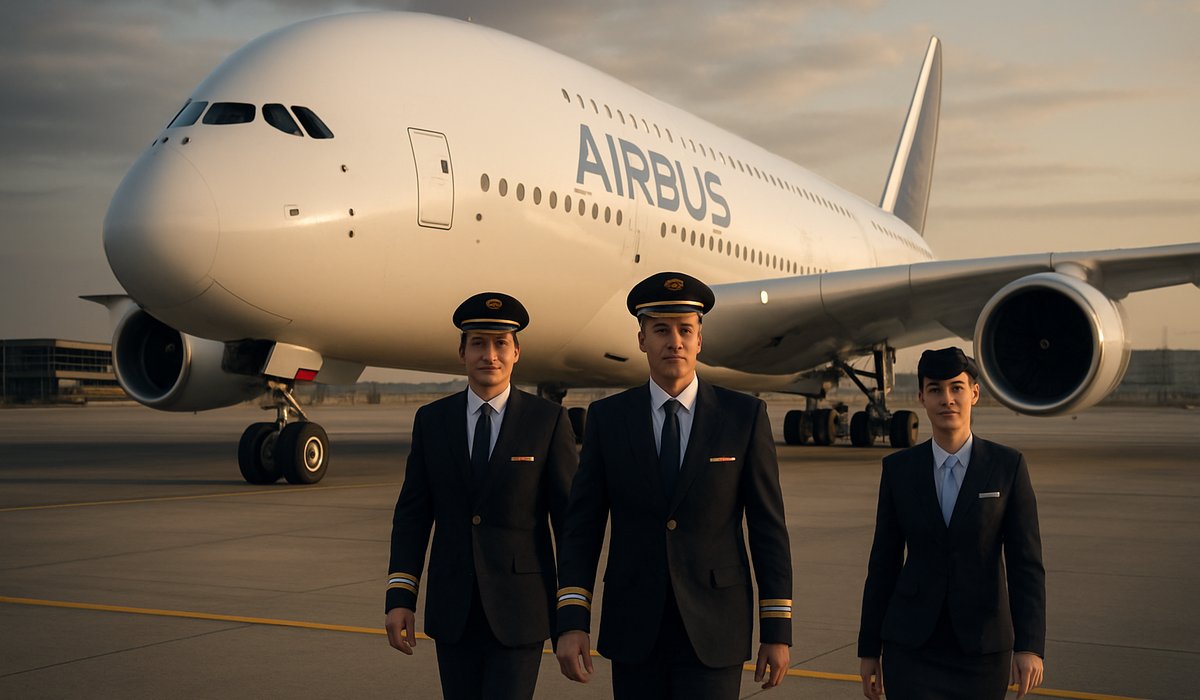
Image generated by AI
Airbus A320neo Variant Sits Idle as Airlines Reject Controversial Aircraft Model—Until Aviation Enthusiasts Step In
A specialized aircraft configuration designed for niche routes faces unexpected revival from charter operators and enthusiasts
The Aircraft Nobody Wanted
Airbus has found itself in an unusual predicament: a meticulously engineered aircraft variant designed to fill a specific market gap has languished in production limbo, rejected by major carriers despite its technical capabilities. The specialized configuration—engineered as an intermediate option between the baseline A320 and stretched A321 models—promised enhanced range and payload capacity for regional operators, yet failed to generate the commercial interest Airbus anticipated.
The variant represents a curious case in modern aviation manufacturing, where even the world's leading aircraft producers cannot guarantee market adoption for every theoretical design improvement. Unlike the wildly successful A320 family, which has dominated narrow-body aircraft sales globally, this particular configuration occupied an awkward middle ground that major airlines deemed commercially unviable for their route networks.
Shifting Market Dynamics
Airlines have historically prioritized either full-capacity stretched variants like the A321—capable of carrying up to 244 passengers—or baseline A320-200 models optimized for standard high-frequency routes. The intermediate configuration offered neither the maximum capacity airlines craved nor the operational simplicity of the standard platform, creating a mismatch between engineering ambition and market demand.
Rising jet fuel prices, fluctuating airline economics, and the post-pandemic shift toward fuel-efficient operations have further complicated purchasing decisions. Carriers now scrutinize every acquisition with heightened financial rigor, avoiding aircraft that don't deliver clear operational advantages or cost savings.
Enthusiasts Find Hidden Potential
Rather than allow the design to fade entirely, aviation enthusiasts and charter operators have begun recognizing untapped potential in the configuration. Specialized tour operators, heritage flight organizations, and aircraft preservation groups view the variant as an opportunity—offering unique operational characteristics for high-altitude routes, specialized missions, or niche tourism applications that traditional airline economics cannot justify.
This grassroots enthusiasm highlights a broader aviation industry trend: as commercial carriers consolidate around proven, high-capacity models, specialized operators are creating alternative markets for unconventional aircraft platforms, effectively rescuing programs from complete commercial failure.
Looking Ahead
The situation underscores persistent tensions within aerospace manufacturing between engineering innovation and pragmatic market forces. While Airbus continues developing next-generation narrow-body aircraft, this variant's uncertain future raises questions about how manufacturers balance production flexibility with commercial viability in an increasingly competitive global aviation sector.
FAQ: Aviation Industry Questions
Why do airlines reject aircraft variants despite advanced engineering? Airlines prioritize return on investment and operational efficiency. Variants offering marginal improvements over existing models often cannot justify aircraft acquisition costs, especially when fuel prices and market demand remain unpredictable.
How do jet fuel prices influence aircraft purchasing decisions? High fuel costs incentivize carriers toward the most fuel-efficient options available. Aircraft variants without significant efficiency advantages struggle to attract buyers facing margin pressures from volatile energy markets.
Can charter operators sustain niche aircraft programs? Yes, specialized operators pursue aircraft that major airlines reject, targeting premium heritage tours, high-altitude routes, and specialized missions where economics differ from mainstream commercial aviation.
What happens to unwanted aircraft in the Airbus A320 family? Some configurations find secondary markets through leasing firms, charter operators, or conversion into cargo platforms. Others may remain in storage or face eventual retirement depending on market conditions.
How does this reflect broader trends in aviation manufacturing? The incident illustrates how consolidation around bestselling models creates opportunities for specialized operators, effectively fragmenting aircraft demand across niche market segments rather than mass-market production runs.
Related Travel Guides
Flight Delay Compensation Guide 2026
Understanding Airline Route Changes
Airport Security Process Updated (2026)
External Resources
Disclaimer
This article is for informational and educational purposes only. It does not constitute legal, financial, or professional advice. While we strive to provide accurate and up-to-date information, travel policies, regulations, and conditions change rapidly. Always verify information with official sources before making travel decisions. Nomad Lawyer makes no representations about the accuracy, reliability, completeness, or suitability of the information provided. Readers should consult qualified professionals for advice specific to their circumstances. The views expressed in this article are those of the author and do not necessarily reflect the views of Nomad Lawyer.
Kunal K Choudhary
Co-Founder & Contributor
A passionate traveller and tech enthusiast. Kunal contributes to the vision and growth of Nomad Lawyer, bringing fresh perspectives and driving the community forward.
Learn more about our team →