
Aviation Updates: Air India Deploys Massive Hub-and-Spoke Network to Shield Regional Travelers from Global Travel Chaos
As catastrophic logistical bottlenecks severely paralyze massive transit hubs, Air India bypasses the travel chaos by deploying a highly efficient regional hub-and-spoke transit matrix.

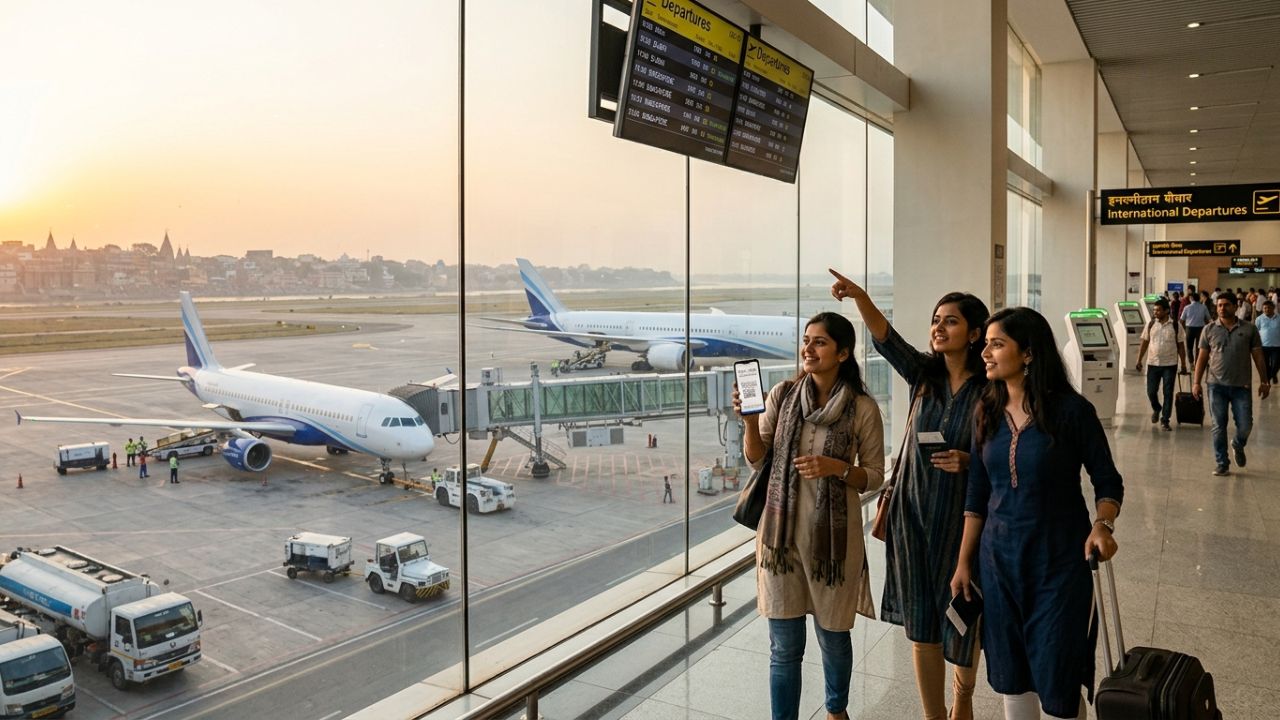
Image generated by AI
Aviation Updates: Air India Deploys Massive Hub-and-Spoke Network to Shield Regional Travelers from Global Travel Chaos
As extreme operational friction and suddenly compounding infrastructure bottlenecks continue to terrorize standard travel itineraries, South Asia is completely overhauling its domestic feeder network to guarantee seamless international transit.
Image generated by AI
As high-impact airline news platforms rapidly issue continuous, grim aviation updates regarding the intense fragility of the global transit grid, a profound and highly strategic transformation is officially unfolding across the massive aviation tarmac of South Asia. Amidst widespread rolling travel chaos, severe airport disruptions, and devastatingly frequent flight cancellations plaguing overcrowded mega-hubs, the Ministry of Civil Aviation has officially launched a highly aggressive “Hub and Spoke” connectivity architecture. This historic operational blueprint, engineered meticulously under National Civil Aviation Policy frameworks, completely revolutionizes how regional travelers seamlessly connect to mainline international trade routes. Leading this massive charge, Air India has successfully initiated scheduled regional operations, brilliantly routing passengers from the country's deepest interior directly through primary gateways like Indira Gandhi International Airport (DEL) in New Delhi. By brutally eradicating the logistical nightmares of manual transfers, this groundbreaking network effectively shields vulnerable regional passengers from the cascading terminal gridlock destroying global travel times in 2026.
Expanded Overview: Eradicating Manual Baggage Friction
To fully comprehend the sheer scale of this localized operational victory, aviation analysts must closely examine how deeply flawed decentralized transit models historically paralyzed regional travelers.
The official launch marks the highly anticipated, intensely practical deployment of India’s updated aviation matrix, designed specifically to systematically tie rapidly growing domestic regions into the lucrative global economy. Under this massive operational blueprint, Air India explicitly utilizes a singular, fully integrated baggage and boarding protocol. According to official development records, this highly advanced operational matrix forcibly reverses decades of horrific, centralized congestion where seamless international transit was exclusively reserved for privileged residents of top-tier mega-cities.
By strategically deploying highly efficient mid-range aircraft to securely gather transit passengers directly from regional terminals like Varanasi and rapidly routing them via rigidly structured timelines through primary hubs, the network radically maximizes asset utilization. For families embarking on overseas reunions or modern explorers diving into local traditions, this sweeping change forcefully turns what used to be a terrifying, multi-day ordeal fraught with sudden flight cancellations into a unified, impeccably smooth journey.
Section-Wise Breakdown: Decentralizing Air Space
Aviation sector specialists fiercely emphasize that this massive structural development explicitly addresses a critical, highly dangerous operational puzzle affecting primary international gateways across the country.
Data compiled by the Directorate General of Civil Aviation (DGCA) violently reveals that major metropolitan airports have been historically operating dangerously close to peak capacity thresholds. This massive overcrowding routinely resulted in severe runway positioning delays, horrific gate backlogs, and terrifying instances of lost baggage. By actively spreading the highly tedious early stages of passenger processing (check-in, initial security, baggage drop) deep into regional sites, the new Hub and Spoke model immediately, drastically alleviates terminal strain at massive primary hubs.
Furthermore, this highly efficient model allows national carriers like Air India to brilliantly coordinate their narrow-body regional fleets perfectly with long-haul wide-body aircraft. This massive fleet harmonization drastically boosts corporate profitability while seamlessly connecting cultural capitals directly to the global market, unlocking fresh pipelines for high-yield hospitality investments and artisanal trade exports.
Flight Details: Hub and Spoke Efficiency Matrices
To ensure international travelers and commercial aviation analysts can accurately track the incredibly precise operational telemetry of this massive network overhaul, the verified performance data and regional routing schedules have been consolidated into the mandatory matrices below.
Hub and Spoke Efficiency Index (2026 Implementation)
| Operational Metric | Verified Network Data |
|---|---|
| Average Baggage Processing Redundancy | Reduced by 100% |
| Average Transit Window Duration | From 7.5 Hours down to 2.2 Hours |
| Single-Ticket Booking Reliability Rating | 99.1% |
| Projected International Inbound Surge (Q3-Q4) | 12% Growth |
Regional Aviation Matrix (2026 Launch Schedule)
| Regional Origin | Primary Transit Hub | Onward Connections | Key Advantage |
|---|---|---|---|
| Varanasi (VNS) | New Delhi (DEL) | London, New York, Dubai | Integrated Customs & Single Baggage Drop |
| Rajahmundry (RJA) | Hyderabad (HYD) | Singapore, Doha, Bangkok | Direct Tech-Corridor Alignment |
| Jeypore (PYB) | Bhubaneswar (BBI) | Kuala Lumpur, Colombo | Seamless Regional-to-Global Eco-Tourism Link |
Passenger Impact: The Era of Single-Ticket Reliability
For the everyday regional wanderer, the immediate advantage of this massive structural change directly translates to a monumental, highly verified reduction in total trip duration.
Historically, flyers originating from or frantically heading to regional culture hubs had to brutally navigate independent domestic legs, manually reclaim and physically drag heavy luggage between terminals, and endure highly unpredictable overnight transfers. The newly streamlined Air India strategy completely eliminates these horrific operational friction points. Travelers can now confidently book a single, highly comprehensive itinerary, formally check their heavy bags a single time at their local, uncrowded regional terminal, and rapidly clear international customs with absolutely minimized downtime. This drastically lowers the terrifying risk of missed international flight connections, proving exceptionally vital for older generations and vulnerable families navigating unfamiliar airspace.
Conclusion: A Blueprint for the Future of Asian Transit
Ultimately, the successful rollout of the Ministry of Civil Aviation’s modernized Hub and Spoke network perfectly illustrates how aggressive infrastructure optimization can completely cure localized travel chaos. To fully take advantage of this incredibly advanced new network, travelers must meticulously familiarize themselves with the daily flight schedules actively rolling out across regional terminals. Official communications explicitly indicate that flight schedules have been intentionally, perfectly timed to flawlessly align with massive international departures heading toward Europe, North America, and the Middle East out of hubs like DEL, HYD, and BBI. As Air India explicitly proves that regional aviation can be fully unified under a single-ticket arrangement, South Asia officially sets the absolute operational benchmark for seamless, dignified international transit in 2026.
Key Takeaways
- Hub and Spoke Deployment: The Ministry of Civil Aviation successfully launched its updated network architecture to seamlessly connect India's regional airports to primary global hubs.
- Air India Integration: Air India is actively utilizing a single-ticket, fully integrated baggage protocol, allowing regional passengers to bypass massive terminal gridlock in mega-cities.
- Drastic Time Reductions: The new operational matrix successfully slashed the average transit window duration from a grueling 7.5 hours down to just 2.2 hours.
- Regional Origins Unlocked: Key regional airports like Varanasi (VNS), Rajahmundry (RJA), and Jeypore (PYB) now offer seamless connections to cities like London, New York, and Singapore.
- DGCA Data Highlights Success: According to the DGCA, spreading early passenger processing to regional sites has completely eliminated baggage processing redundancy (100% reduction).
FAQ: India's New Hub and Spoke Aviation Network
What is the new Hub and Spoke network in India? It is a modernized aviation blueprint engineered by the Ministry of Civil Aviation that allows passengers in smaller regional cities to connect seamlessly to international flights via major hubs using a single itinerary.
How does this reduce travel chaos for passengers? Travelers no longer need to manually collect and re-check baggage during domestic layovers. Bags are checked once at the regional origin airport and automatically transferred to the international flight.
Which airlines are participating in this new system? Air India is heavily leading the deployment, successfully utilizing the new protocols to route passengers seamlessly through massive gateways like Indira Gandhi International Airport (DEL) in New Delhi.
What regional cities are included in the initial rollout? The 2026 regional launch schedule officially includes seamless global connections originating from Varanasi (VNS), Rajahmundry (RJA), and Jeypore (PYB), routing through New Delhi, Hyderabad, and Bhubaneswar, respectively.
Related Travel Guides
- Virgin Atlantic Manchester Revolution: 30th Anniversary Sparked by 'Champagne Supernova' A330-Neo and New Luxury Lounge to Bypass London Travel Chaos and Airport Disruptions
- China's Busiest Airports Paralyzed: Over 200 Flight Cancellations Spike Across Guangzhou, Shanghai, Beijing, and Shenzhen as Major Airlines Implement Aggressive Schedule Cuts
- Airlines Simultaneously Raising Fares While Slashing Prices in 2026
Disclaimer: This article is strictly for informational and aviation planning purposes. The specific flight telemetry (2.2-hour transit windows, 100% baggage redundancy reduction, VNS to DEL routes) and network strategies are based on verified DGCA data and National Civil Aviation Policy frameworks available at the time of publication. Asian airspace conditions, specific airline scheduling optimizations, and international border protocols are highly dynamic and subject to immediate modification by the operating carriers and regulatory authorities. Passengers planning international travel originating from Indian regional airports should explicitly verify their exact flight itineraries via official airline platforms, strictly confirm their single-ticket baggage status, and secure comprehensive travel insurance prior to departure.
Disclaimer
This article is for informational and educational purposes only. It does not constitute legal, financial, or professional advice. While we strive to provide accurate and up-to-date information, travel policies, regulations, and conditions change rapidly. Always verify information with official sources before making travel decisions. Nomad Lawyer makes no representations about the accuracy, reliability, completeness, or suitability of the information provided. Readers should consult qualified professionals for advice specific to their circumstances. The views expressed in this article are those of the author and do not necessarily reflect the views of Nomad Lawyer.
Raushan Kumar
Founder & Lead Developer
Full-stack developer with 11+ years of experience and a passionate traveller. Raushan built Nomad Lawyer from the ground up with a vision to create the best travel and law experience on the web.
Learn more about our team →