
Air India Delhi Kathmandu Flight Returns Safely After Suspected Technical Issue, Passengers Continue Journey on Alternative Aircraft
Air India Delhi Kathmandu Flight Returns Safely After Suspected Technical Issue, Passengers Continue Journey on Alternative Aircraft

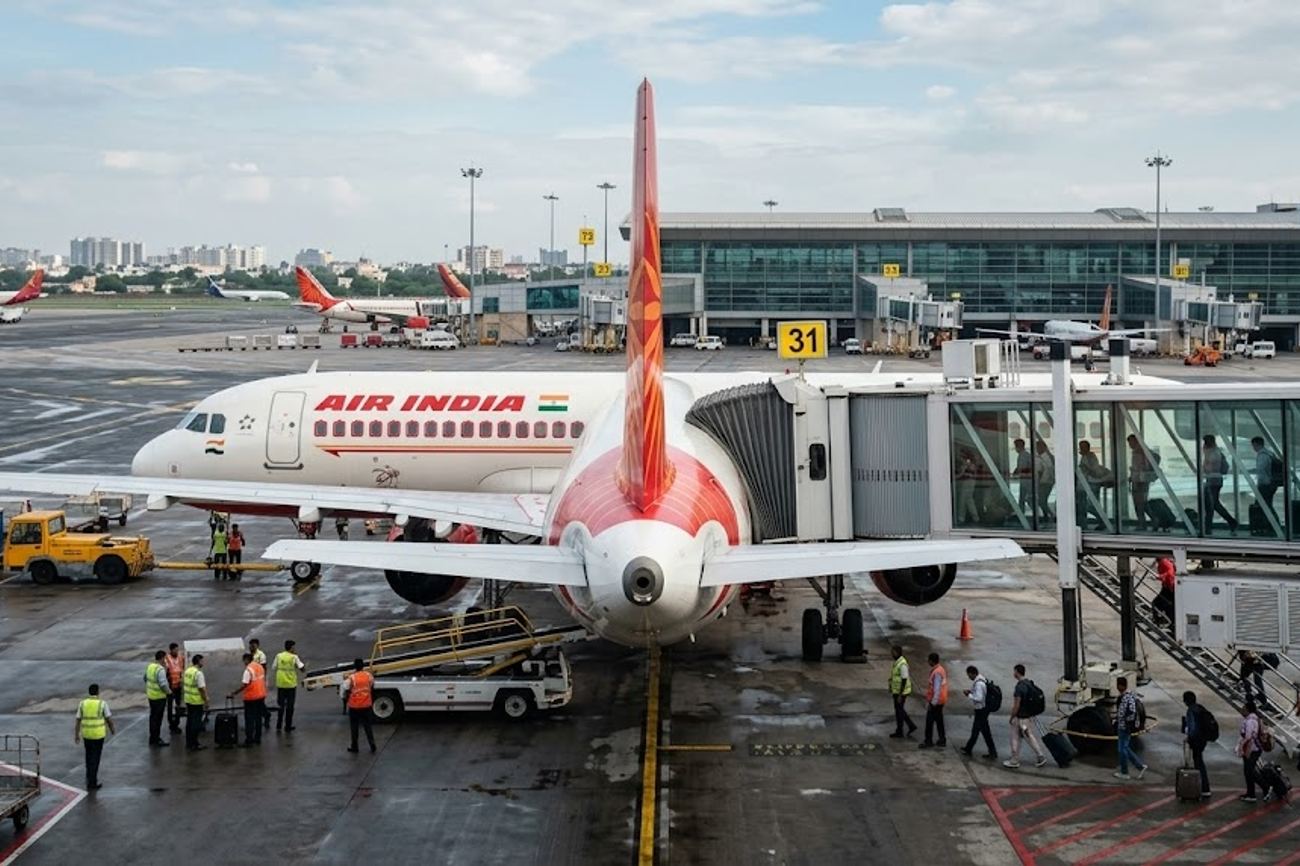
Image generated by AI
[New Delhi, September 19, 2026] — Air India flight AI219, bound for Kathmandu, was forced to abort its journey and return to New Delhi after the flight crew detected a suspected technical malfunction shortly after takeoff.
The incident occurred on September 19, 2026, involving an Airbus A320 operating the critical international corridor between India and Nepal. Following standard aviation safety protocols, the cockpit crew opted to divert the aircraft back to Indira Gandhi International Airport to address the unidentified technical concern. All passengers and crew members disembarked safely upon landing in Delhi, where the airline subsequently deployed a replacement aircraft to complete the transit to Kathmandu.
The Technical Trigger
The disruption was sparked by a "suspected technical issue" identified by the flight crew while the aircraft was airborne. While Air India has not disclosed the specific system failure or the nature of the mechanical anomaly, the decision to return to the base airport was categorized as a precautionary measure. Under the regulatory framework overseen by the Directorate General of Civil Aviation (DGCA), flight crews are mandated to prioritize safety over schedule adherence when any system irregularity is detected that could compromise the flight's integrity.
The return to New Delhi allowed Air India’s maintenance teams to conduct a comprehensive ground inspection of the Airbus A320. By returning to the point of origin, the airline ensured that the aircraft could be serviced by its primary engineering hub rather than attempting a landing in Kathmandu with a potential fault, which would have complicated both the repair process and the recovery of passengers.
Affected Routes and Operations
The disruption specifically impacted the Delhi-Kathmandu sector, a vital artery for regional diplomacy, tourism, and commerce. The following details outline the scope of the operational failure:
- Flight Number: AI219
- Route: New Delhi (DEL) to Kathmandu (KTM)
- Aircraft Model: Airbus A320
- Date of Occurrence: September 19, 2026
- Primary Impact: Temporary suspension of the scheduled flight path
- Passenger Status: All passengers successfully rerouted via alternative aircraft
- Casualties/Injuries: Zero reported
This route serves as a primary link for thousands of travelers monthly, including business professionals and seasonal tourists. Any instability on this corridor can create a ripple effect for connecting flights departing from Tribhuvan International Airport in Kathmandu.
What This Means for Travelers
For the passengers on AI219, the immediate result was a significant delay and the stress of an unplanned return to the departure gate. However, the airline's ability to provide a secondary aircraft prevented a total cancellation of the journey, which would have necessitated hotel vouchers and overnight stays.
In plain language, this incident highlights the "Safety First" reality of modern aviation. When a pilot reports a "suspected" issue, it does not necessarily mean the plane is in danger, but it does mean the aircraft is no longer operating within its strict safety margins. For travelers, this means:
- Unpredictable Timelines: Technical diversions can happen at any stage of flight, regardless of the aircraft's age or the route's frequency.
- Operational Recovery: The speed at which an airline can provide a replacement aircraft (as Air India did in this case) is the primary factor in minimizing passenger hardship.
- Connection Risks: Passengers with tight connections in Kathmandu were likely impacted, as the return to Delhi and subsequent re-boarding process creates a multi-hour delay.
Recovery and Safety Protocols
The resolution of the AI219 incident followed a strict sequence of operational recovery steps. Once the aircraft touched down safely at Indira Gandhi International Airport, the airline initiated a passenger transfer protocol. This involved disembarking the original passengers and crew, conducting a rapid assessment of the replacement aircraft's availability, and reloading the passengers for a second attempt at the Kathmandu destination.
This sequence is a textbook example of "Irregular Operations" (IROPS) management. By utilizing a second plane, Air India maintained the continuity of the route and avoided the logistical nightmare of re-booking passengers on competing carriers or providing extensive ground compensation.
The incident also underscores the role of the International Civil Aviation Organization (ICAO) standards, which dictate that any suspected technical anomaly must be treated as a real fault until proven otherwise by a certified engineer. The crew's decision to return to Delhi rather than push through to Kathmandu demonstrates a commitment to these global safety benchmarks.
Future Implications for India-Nepal Aviation
While this was an isolated event, it serves as a reminder of the operational pressures on the Delhi-Kathmandu route. As traffic increases between the two nations, the demand for fleet reliability grows. Air India's response—apologizing for the inconvenience while successfully completing the passenger transit—suggests a focus on customer recovery, but the lack of transparency regarding the specific "technical issue" may leave some passengers questioning the maintenance schedules of the A320 fleet on this route.
Moving forward, travelers on this corridor should expect continued adherence to these strict safety protocols. While diversions are inconvenient, they are the primary mechanism that prevents aviation accidents. The industry trend is moving toward more predictive maintenance, using AI to catch these "suspected" issues before the plane ever leaves the tarmac.
FAQ: Air India Flight AI219 [2026]
Why did flight AI219 return to New Delhi? The flight crew detected a suspected technical problem shortly after takeoff. Following standard safety procedures, they decided to return to the departure airport as a precaution to ensure the safety of all passengers and crew.
Were any passengers injured during the incident? No. The aircraft landed safely at Indira Gandhi International Airport, and all passengers and crew members disembarked the plane without any reported injuries.
How did Air India handle the passengers after the return? Air India arranged a second, alternative aircraft to transport the affected passengers from New Delhi to Kathmandu, ensuring that the journey was completed despite the initial disruption.
What should I do if my flight is diverted for technical reasons? Remain calm and follow the instructions of the cabin crew. Once on the ground, contact your airline's ground staff immediately to confirm your replacement flight, hotel accommodations, or meal vouchers.
Safety is a non-negotiable priority in the skies, where a detour today prevents a disaster tomorrow.
#AirIndia #AI219 #DelhiAirport #KathmanduTravel #AirbusA320 #AviationSafety2026
Related Travel Guides
Disclaimer
This article is for informational and educational purposes only. It does not constitute legal, financial, or professional advice. While we strive to provide accurate and up-to-date information, travel policies, regulations, and conditions change rapidly. Always verify information with official sources before making travel decisions. Nomad Lawyer makes no representations about the accuracy, reliability, completeness, or suitability of the information provided. Readers should consult qualified professionals for advice specific to their circumstances. The views expressed in this article are those of the author and do not necessarily reflect the views of Nomad Lawyer.
Preeti Gunjan
Contributor & Community Manager
A passionate traveller and community builder. Preeti helps grow the Nomad Lawyer community, fostering engagement and bringing the reader experience to life.
Learn more about our team →