
Air France-KLM Weighs Historic Name Change Amid Massive Multi-National Expansion: Latest News on Group Swallowing SAS and Targeting TAP Air Portugal
Air France-KLM Group considers a major rebranding to reflect its multi-national identity as it moves toward a 60.5% controlling stake in SAS and battles for TAP Air Portugal.

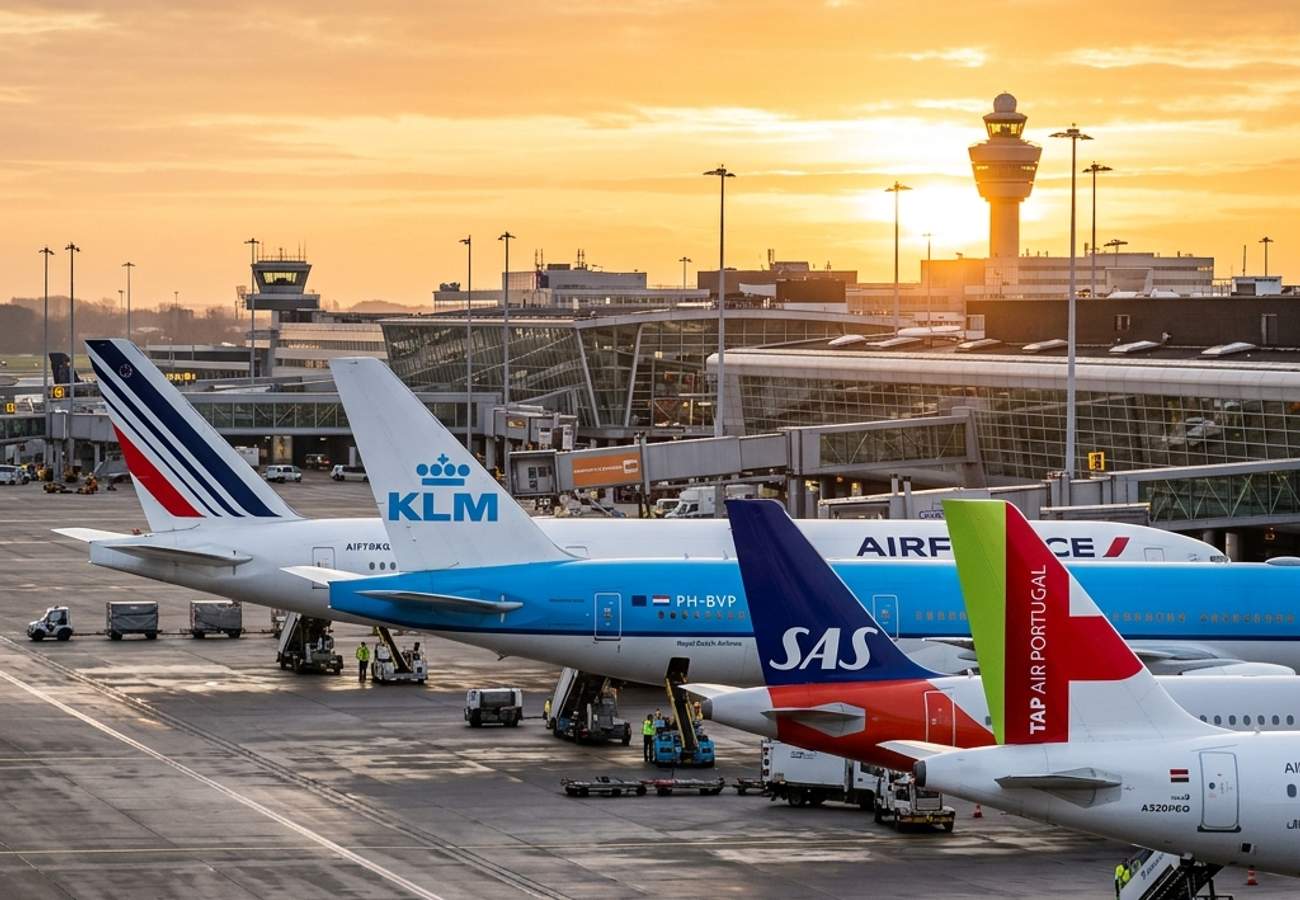
Image generated by AI
Air France-KLM Weighs Historic Name Change Amid Massive Multi-National Expansion: Latest News on Group Swallowing SAS and Targeting TAP Air Portugal to Defy Travel Chaos in Europe
European Aviation Giant Eyes Neutral Branding to Integrate Scandinavian and Portuguese Flags as Industry Experts Predict Strategic Shift in Multi-Billion Dollar Network Stewardship for 2026
In a seismic shift for the European aviation landscape, the Air France-KLM Group is reportedly contemplating a historic rebranding of its parent organization to better reflect its rapidly expanding, multi-national footprint. As the group aggressively pursues a controlling stake in Scandinavian Airlines (SAS) and locks in a fierce bidding war for TAP Air Portugal, the boardrooms at Charles de Gaulle (CDG) and Schiphol (AMS) are buzzing with the possibility of a new, neutral identity that transcends its French and Dutch roots.
This potential transformation comes at a time when airline news is dominated by consolidation and the need for scale to combat the ongoing travel chaos and airport disruptions that have defined the 2026 season. By integrating the flags of Northern and Southern Europe into its core network, the group is positioning itself as a titan of connectivity, aiming to streamline operations and provide a seamless experience for every passenger who trusts them with their journey.
Expanded Overview: The Logic of Strategic Consolidation
The strategic logic behind the potential rebranding is as clear as it is ambitious. Currently, the "Air France-KLM" name exclusively reflects the two founding historic brands, but with the group’s aggressive expansion, this duality is becoming an operational and branding limitation. Having already secured a 19.9% stake in SAS as part of a major restructuring deal, the group is now aiming to close on a 60.5% controlling share in the second half of 2026.
Simultaneously, the group is locked in a high-stakes competition with Lufthansa for a nearly 50% stake in TAP Air Portugal as the Portuguese government moves toward full privatization. These moves are not just about ticket sales; they are about creating a high-performance ecosystem where the wealth of the Scandinavian and Lusitanian markets feeds directly into a centralized European power hub. As aviation updates confirm a surge in regional revenue, the group’s move toward a more inclusive, "stability-first" future is seen as a masterclass in modern aviation stewardship, ensuring that the wealth generated by new visitor traffic benefits every corner of the continent.
Section-Wise Breakdown: Rebuilding the European Sky
The Scandinavian Surge: Swallowing SAS
The integration of SAS into the Air France-KLM ecosystem is already delivering "The Branding Dividend." By moving from a minority stake to a 60.5% majority, the group is successfully attracting a new breed of resourceful traveler who values seamless connectivity between Stockholm, Copenhagen, and the rest of the world. This viral growth in market share is a direct response to a strategic need for continental dominance, modernizing the European travel narrative for the 2026 peak.
The Battle for Lisbon: Targeting TAP Air Portugal
TAP Air Portugal represents the "Crown Jewel" of South Atlantic connectivity. As the Portuguese government privatizes the carrier, Air France-KLM is fighting to secure its sun-soaked routes and strategic hub in Lisbon. By bidding for nearly half of the airline, the group aims to neutralize the competitive threat from Lufthansa while establishing a permanent legacy of excellence in the Lusitanian market. Experts suggest that this "Knowledge-First" travel strategy ensures that the energy of the fleets remains vibrant even as the character of the parent company undergoes a permanent transformation.
Neutral Branding: A Masterclass in Inclusivity
Authorities have clarified that a neutral identity is the only logical step for a group that intends to house French, Dutch, Scandinavian, and potentially Portuguese brands under one roof. While the group clarified that "at this point, no decision has been made and no specific name has been chosen," the intent to modernize is clear. This rebranding is not just a corporate task; it’s a visceral challenge to collective aviation identity, ensuring that theparent company reflects a more inclusive future for every passenger.
Operational Metrics & Expansion Profile
The following table summarizes the key stakes and strategic targets currently defining the Air France-KLM multi-national shift.
Air France-KLM Group Strategic Expansion Profile 2026
| Airline Partner | Current Stake | Target Stake | Strategic Objective |
|---|---|---|---|
| Air France | 100% (Founding) | N/A | Primary Hub: Paris (CDG) |
| KLM Royal Dutch | 100% (Founding) | N/A | Primary Hub: Amsterdam (AMS) |
| SAS (Scandinavian) | 19.9% | 60.5% (H2 2026) | Northern European Market Dominance |
| TAP Air Portugal | 0% | ~50% (Bidding) | South American & African Gateway |
| Total Fleet Goal | Expanding | 600+ Aircraft | Defy Travel Chaos via Scale |
Passenger Impact: Consistency in a Viral Era
For the millions of travelers who frequent the historic blue and white tails of the group, the multi-national shift promises a revolution in reliability and reward.
- Program Integration: Efforts to unify frequent flyer programs across four major nations have acted as a viral catalyst for travelers looking for an alternative to fragmented air travel.
- Schedule Resilience: By pooling resources from four major national carriers, the group can better mitigate airport disruptions and flight cancellations through more efficient aircraft reallocation.
- Seamless Connectivity: Passengers traveling from Stockholm to Lisbon or Paris to Amsterdam will experience a unified service standard, reflecting the "Service Guardian" training programs implemented for 2026.
- Economic Standard: This consolidation ensures that the fiscal dominance of the group translates into world-class excellence for the entire European nation, preserving the storied airline heritages that make regional travel unique.
Industry Analysis: The Triumphant Stand for Stewardship
Aviation analysts suggest that the headlines for 2026 are clear: the future belongs to those who can master the intersection of aggressive operational growth and authentic community stewardship. The rebranding of the Air France-KLM Group is a direct response to a strategic need for a neutral "Multi-National Identity" that doesn't alienate the national pride of its new member airlines. By prioritizing these humanized connections and secure, multi-national corridors, the group is proving that a thriving aviation sector requires a stability-first approach. Furthermore, by locking in controlling stakes in SAS and targeting TAP, they are effectively building a "Multi-Billion Dollar Beacon of Hope" for a European sky that has faced years of fragmentation and economic challenge.
Conclusion: The True Heart of the European Sky
As the heartbeat of the traveler finally syncs with the pulse of the aviation community, the message of 2026 is one of profound regional pride and unyielding innovation. The potential rebranding of Air France-KLM marks the moment the heartbeat of the industry evolves into a shared moment of flight-path grace. Whether under a new name or the historic double-flag, the spirit of the 2026 Aviation Renaissance remains as vibrant as the horizon itself. The planes are ready, the integrated routes are opening, and the welcome—though undergoing a historic rebranding—has never been more significant. The purposeful adventure starts now; the world is finally discovering the true heart of the sky.
Key Takeaways
- Rebranding Discussion: Group considering a name change to reflect its multi-national brand portfolio.
- SAS Acquisition: Targeting a 60.5% controlling share by the second half of 2026.
- TAP Air Portugal: Competing with Lufthansa for a nearly 50% stake as privatization proceeds.
- Neutral Identity: Aiming for an umbrella brand that houses French, Dutch, Scandinavian, and Portuguese flags.
- Resilience Strategy: Using scale to combat travel chaos, airport disruptions, and flight cancellations.
- Status: No final name chosen; discussions on modernization are ongoing at executive levels.
Related Travel Guides
Qantas Ignites Northern Territory Tourism Surge with Massive ‘NT, the Place to Be’ Sale
The Future of Airline Consolidation: Why Your Frequent Flyer Miles are Safer in 2026
Disclaimer
This article is for informational and educational purposes only. It does not constitute legal, financial, or professional advice. While we strive to provide accurate and up-to-date information, travel policies, regulations, and conditions change rapidly. Always verify information with official sources before making travel decisions. Nomad Lawyer makes no representations about the accuracy, reliability, completeness, or suitability of the information provided. Readers should consult qualified professionals for advice specific to their circumstances. The views expressed in this article are those of the author and do not necessarily reflect the views of Nomad Lawyer.
Kunal K Choudhary
Co-Founder & Contributor
A passionate traveller and tech enthusiast. Kunal contributes to the vision and growth of Nomad Lawyer, bringing fresh perspectives and driving the community forward.
Learn more about our team →