
Air Canada Deploys Next-Generation Airbus A321XLR on Three New US Routes, Signaling Shift in Transatlantic Strategy
Breaking airline news and aviation industry updates for 2026.

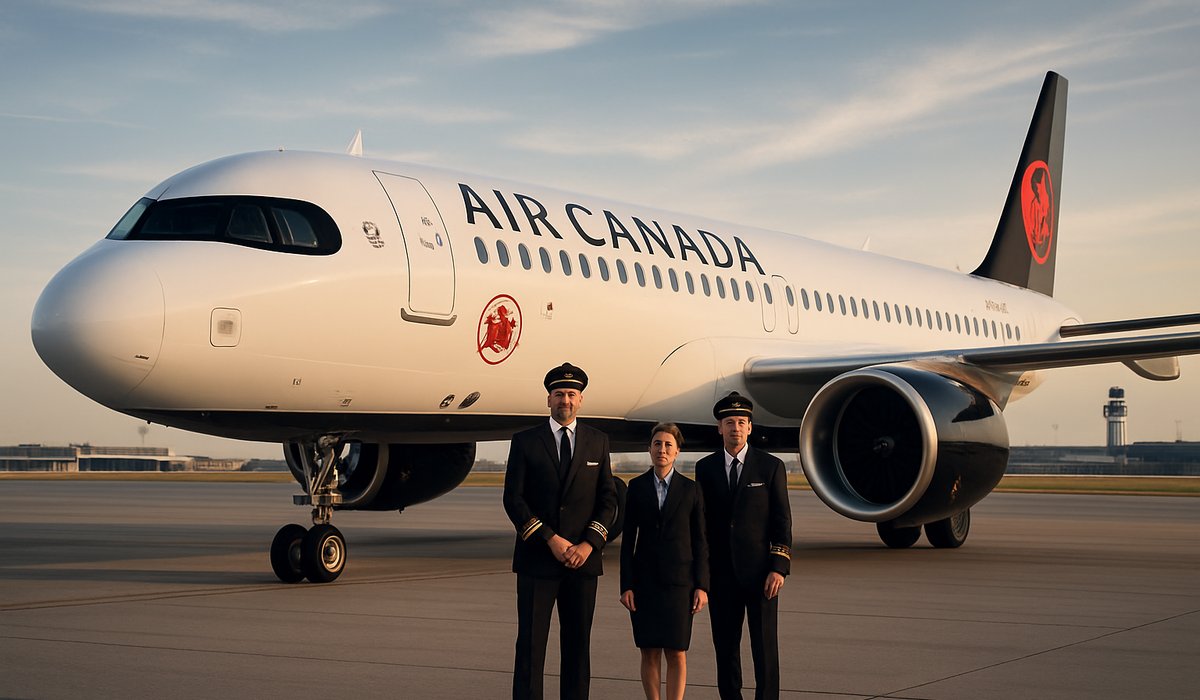
Image generated by AI
Air Canada Deploys Next-Generation Airbus A321XLR on Three New US Routes, Signaling Shift in Transatlantic Strategy
Canadian carrier expands narrow-body operations to North American markets as fuel efficiency and capacity optimization reshape aviation economics
Strategic Expansion into US Market
Air Canada has announced plans to deploy its newly acquired Airbus A321XLR aircraft across three cross-border routes to the United States, marking a significant expansion of the aircraft's operational network beyond previously announced European services. The Montreal-based carrier's move reflects broader industry trends toward deploying next-generation narrow-body jets on longer, traditionally wide-body routes as airlines seek to maximize efficiency amid volatile fuel costs and shifting demand patterns.
Fleet Growth and Operational Timeline
The A321XLR, Airbus's extended-range variant of its popular single-aisle A321 family, represents a transformative asset for Air Canada's network strategy. The airline holds up to 30 examples on firm order, with multiple deliveries already completed. The carrier has committed to introducing the aircraft across selected European routes beginning this summer, and the newly announced US deployment will commence later in 2024, demonstrating accelerated integration of the type into revenue service.
Redefining Transatlantic Economics
The A321XLR's deployment on North American routes signals Air Canada's confidence in the aircraft's range capabilities and operational economics. With a maximum range exceeding 4,700 nautical miles, the narrow-body jet can effectively compete on mid-haul and emerging long-haul markets previously dominated by larger wide-body aircraft. This operational pivot addresses structural changes in the aviation industry, where fuel efficiency gains and reduced crew costs on modern aircraft are reshaping route profitability calculations.
Industry-Wide Implications
Air Canada's strategy aligns with competitive pressures affecting major North American carriers. Rising jet fuel prices and labor cost increases have compelled airlines to optimize capacity deployment across their networks. The A321XLR's 194-seat configuration—featuring just 14 business-class seats and no premium economy—targets markets where demand skews toward economy passengers while maintaining premium cabin revenue.
The deployment also reflects post-pandemic shifts in transatlantic travel patterns, with secondary markets between Canada and the US gaining prominence as primary hub routes stabilize at higher pricing levels.
What's Next
Air Canada's technology investments underscore the carrier's commitment to modernizing its fleet and improving unit costs during a period of sustained aviation industry challenges. The carrier's phased introduction of the A321XLR across three US routes will provide valuable operational data as the airline evaluates further network expansion opportunities throughout 2024 and beyond.
FAQ: Air Canada, A321XLR, and Transatlantic Aviation
What is the Airbus A321XLR and why does it matter for air travel costs? The A321XLR is an extended-range narrow-body aircraft offering superior fuel efficiency compared to traditional wide-body jets. Its deployment reduces airline operating costs, which can translate to more competitive ticket pricing on longer routes while maintaining airline profitability.
How do jet fuel prices impact airline route decisions and passenger fares? Volatile fuel costs directly influence airline profitability calculations for specific routes. More efficient aircraft like the A321XLR allow carriers to maintain margins on routes that might be uneconomical with older, less efficient aircraft, ultimately affecting pricing power and fare competitiveness.
Will Air Canada's A321XLR deployment affect baggage fees or ancillary charges? While baggage policies remain airline-specific, fleet modernization can influence overall ancillary revenue strategies. More efficient aircraft may allow carriers to adjust pricing structures across various fee categories.
When will passengers see Air Canada's A321XLR on US routes? Air Canada plans to introduce the aircraft on three US routes later in 2024, following its summer 2024 deployment on European services.
How does this deployment compare to competitor strategies in the aviation industry? Major North American carriers are similarly investing in next-generation narrow-body aircraft to improve transatlantic competitiveness, reflecting industry-wide recognition that modern single-aisle jets can profitably serve markets previously requiring wide-body equipment.
Related Travel Guides
External Resources
Disclaimer
This article is for informational and educational purposes only. It does not constitute legal, financial, or professional advice. While we strive to provide accurate and up-to-date information, travel policies, regulations, and conditions change rapidly. Always verify information with official sources before making travel decisions. Nomad Lawyer makes no representations about the accuracy, reliability, completeness, or suitability of the information provided. Readers should consult qualified professionals for advice specific to their circumstances. The views expressed in this article are those of the author and do not necessarily reflect the views of Nomad Lawyer.
Raushan Kumar
Founder & Lead Developer
Full-stack developer with 11+ years of experience and a passionate traveller. Raushan built Nomad Lawyer from the ground up with a vision to create the best travel and law experience on the web.
Learn more about our team →