
Air Canada Deploys Next-Generation Airbus A321XLR on Transatlantic Route, Signaling Aggressive European Expansion
Breaking airline news and aviation industry updates for 2026.

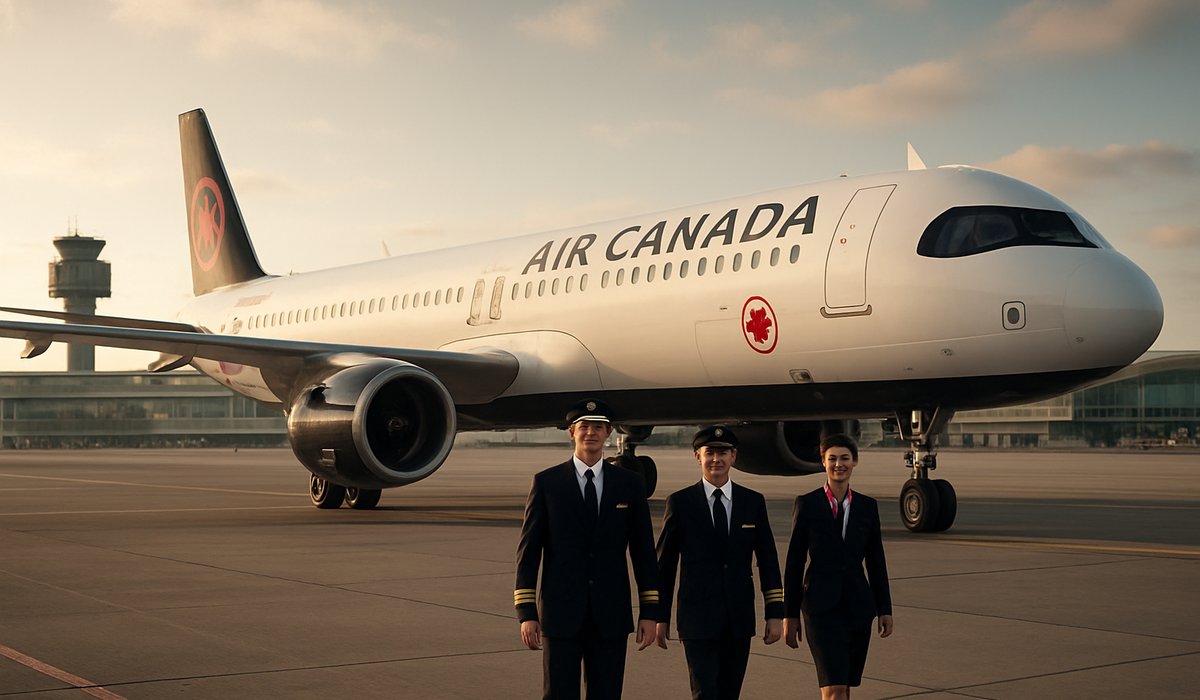
Image generated by AI
Air Canada Deploys Next-Generation Airbus A321XLR on Transatlantic Route, Signaling Aggressive European Expansion
The Star Alliance carrier launches inaugural ultra-long-range service next week, marking a pivotal shift in how North American airlines compete on crowded Atlantic crossings
New Aircraft Type Enters Service Amid Competitive Pressure
Air Canada is accelerating its European growth strategy with the deployment of its first Airbus A321XLR aircraft on a newly established transatlantic route launching next week. The move represents a significant operational milestone for the Canadian carrier and underscores the aviation industry's broader shift toward fuel-efficient, long-range narrowbody aircraft designed to challenge traditional widebody dominance on international routes.
The A321XLR—an extended-range variant capable of sustaining nine-hour flights—offers Air Canada substantial operational advantages, including lower fuel consumption per seat and reduced crew expenses compared to larger widebody jets. This deployment strategy aligns with industry trends where carriers increasingly deploy advanced narrowbody aircraft on thin, point-to-point international routes, particularly across the competitive North Atlantic market.
Expansion Plans Signal Market Confidence
According to Air Canada's scheduling data submitted to the Official Airline Guide (OAG), the carrier plans to operate an average of 53 daily departures across its European network by August 2026—representing an 8% year-over-year increase and marking the highest service frequency the airline has offered in any August period on record. This aggressive expansion reflects growing transatlantic demand recovery and Air Canada's confidence in capturing additional market share from competitors operating the same corridors.
The timing of this expansion comes as North American carriers navigate volatile jet fuel price fluctuations and persistent inflationary pressures affecting operational costs. Airlines have responded by implementing ancillary revenue strategies, including refined baggage policies and seat selection fees, to offset expenses while maintaining competitive pricing on base fares.
Strategic Implications for Atlantic Market Competition
Air Canada's A321XLR initiative positions the Star Alliance member alongside rivals including United Airlines and American Airlines, which have similarly invested in extended-range narrowbody fleets to optimize transatlantic economics. The strategy enables carriers to activate underutilized airport pair combinations previously uneconomical with traditional widebody configurations, ultimately increasing consumer choice and competitive pressure on pricing.
Industry analysts suggest this deployment signals a structural shift in how airlines approach long-haul capacity planning, with aircraft flexibility and fuel efficiency increasingly outweighing the premium seat density advantages of larger aircraft. For passengers, the trend could translate into improved frequency, more departure options, and potentially stabilized fares across major European gateways.
Frequently Asked Questions
Why are airlines switching to narrowbody aircraft for transatlantic flights? Narrowbody jets like the A321XLR offer superior fuel efficiency per seat, lower operating costs, and greater scheduling flexibility than traditional widebody aircraft, enabling carriers to profitably serve thinner route pairs while maintaining competitive pricing.
How does jet fuel pricing impact airline route strategies? Volatile fuel costs directly influence aircraft selection decisions. More efficient aircraft become strategically valuable during periods of elevated fuel prices, allowing carriers to maintain margins while competing on international routes.
What is the Star Alliance significance for Air Canada's European expansion? Star Alliance membership provides code-sharing partnerships and connecting traffic benefits, enhancing Air Canada's competitive positioning against rival airline alliances on transatlantic routes and distribution networks.
Are baggage fees expected to increase with route expansions? While route expansion doesn't automatically trigger fee increases, carriers often adjust ancillary pricing strategies—including baggage, seat selection, and preferred boarding charges—to optimize revenue across expanding networks.
What does A321XLR deployment mean for passenger experience? Narrowbody aircraft typically feature single-aisle configurations with reduced premium cabin amenities compared to widebody alternatives, though improved frequency and potential fare competition may benefit price-conscious travelers.
Related Travel Guides
External Resources
Disclaimer
This article is for informational and educational purposes only. It does not constitute legal, financial, or professional advice. While we strive to provide accurate and up-to-date information, travel policies, regulations, and conditions change rapidly. Always verify information with official sources before making travel decisions. Nomad Lawyer makes no representations about the accuracy, reliability, completeness, or suitability of the information provided. Readers should consult qualified professionals for advice specific to their circumstances. The views expressed in this article are those of the author and do not necessarily reflect the views of Nomad Lawyer.
Raushan Kumar
Founder & Lead Developer
Full-stack developer with 11+ years of experience and a passionate traveller. Raushan built Nomad Lawyer from the ground up with a vision to create the best travel and law experience on the web.
Learn more about our team →