
AI Automation in Travel 2026: Why Human Leadership and Empathy Remain Critical for Transit Sector Growth
As AI reshapes roles across airlines, hotels, and cruise lines, industry leaders must prioritize empathy and human judgment to prevent workforce resistance and ensure sustainable digital transformation.

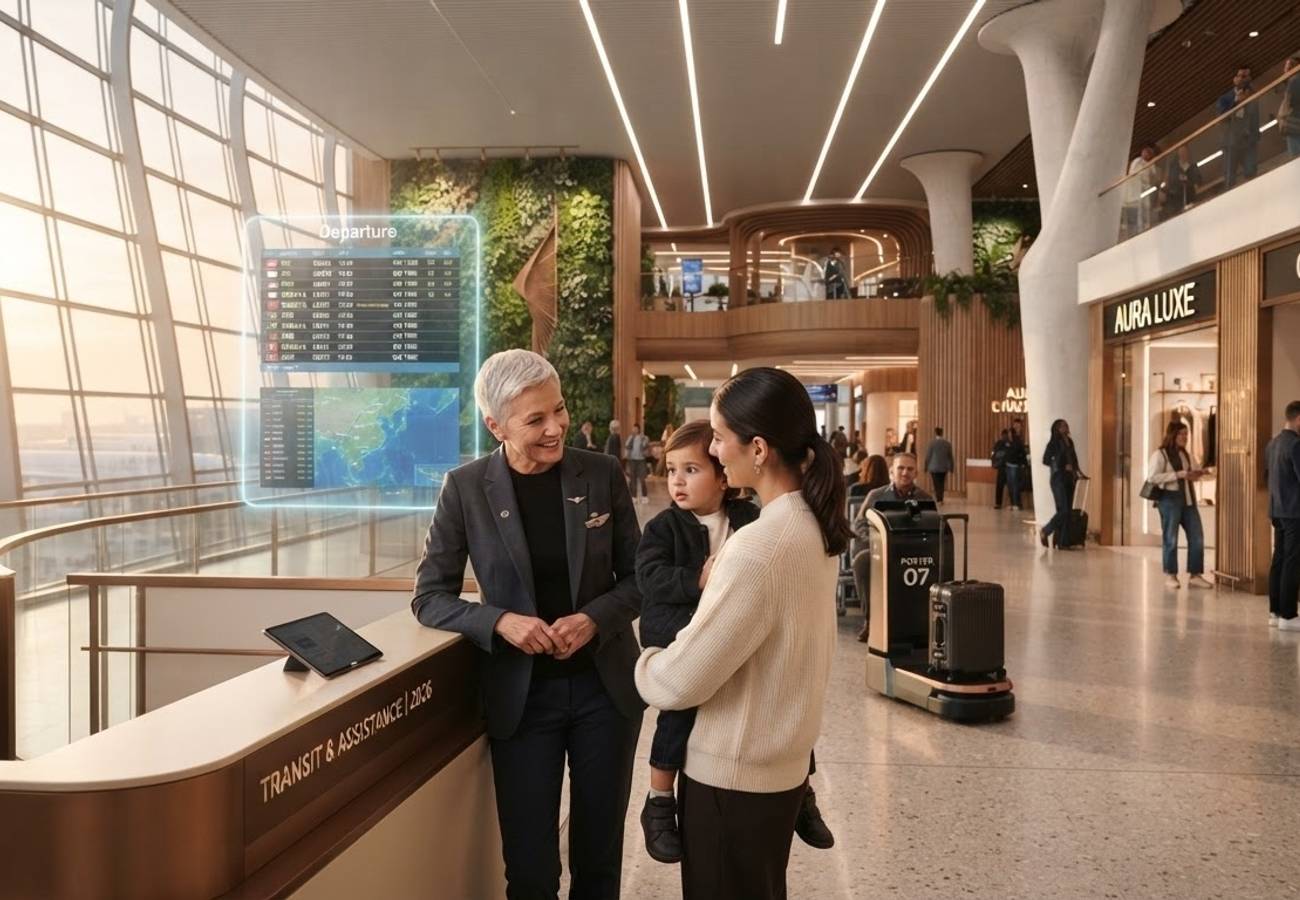
Image generated by AI
The rapid integration of AI across the transit sector is automating routine operations faster than anticipated, yet the success of this transition depends entirely on human-centric leadership.
The travel industry is currently experiencing a paradigm shift where automation is moving beyond simple back-end technology tasks. AI is now actively reshaping how airlines, cruise operators, and hotel chains organize their labor force and manage customer service. However, as these systems take over repetitive functions, a critical gap has emerged: the need for leadership that prioritizes empathy and human judgment over algorithmic efficiency.
Don Gregori, COO of software solutions provider First Factory, posits that empathy is no longer a "soft skill" but a vital operational leadership capability. In an era where AI can handle data analysis and personalized customer interactions, the human element becomes the primary differentiator in service recovery and complex decision-making.
The Impact of Automation on Transit Roles
Automation is being deployed across multiple layers of the travel ecosystem to streamline operations. While these tools increase efficiency, they create significant psychological and professional friction for the workforce.
| Sector | AI Application | Human Leadership Requirement |
|---|---|---|
| Airlines | Automated operational systems & scheduling | Managing crew anxiety and role transition |
| Hotels | AI-powered reservation and concierge tools | Maintaining high-touch hospitality and empathy |
| Cruise Lines | Predictive planning & automated guest services | Complex problem solving during transit disruptions |
| Travel Agencies | Data-driven personalization & booking bots | High-level advisory and emotional intelligence |
Navigating the Digital Transition: A Logistics Guide
From a ground-level perspective, the best way to navigate the integration of AI within a transit organization is to treat the rollout as a workforce transition rather than a software update. For managers and executives, the following logistics are recommended:
- Communication Frameworks: Establish clear, transparent timelines for AI implementation. Uncertainty regarding job security is the primary driver of resistance.
- Upskilling Pathways: Instead of replacing roles, redefine them. Shift employee focus from data entry to "exception management"—handling the complex cases that AI cannot resolve.
- Feedback Loops: Implement weekly "human-in-the-loop" audits where staff can report where AI is failing the customer, giving employees agency over the technology.
- Digital Policy Alignment: Ensure that AI adoption aligns with regional digital transit policies (such as Digi Yatra in India or ETIAS in Europe) to ensure that automation doesn't create new bureaucratic hurdles for the traveler.
Infrastructure and Workforce Impact Assessment
The shift toward AI-driven transit is not merely a technological upgrade; it is a structural reorganization of the tourism economy. Organizations that deploy AI without a corresponding investment in human leadership risk declining employee engagement and a sterilized customer experience.
In hospitality and tourism, trust is the primary currency. While an AI can optimize a flight path or suggest a hotel room, it cannot manage the emotional fallout of a cancelled connection or a medical emergency on a cruise ship. The infrastructure of the future will be a hybrid model: AI handles the volume, while humans handle the value.
The 2026 Literary Titan Award-winning framework by Don Gregori, The Emergent Leader, emphasizes this balance. By treating leadership as a practical "desk reference" rather than an abstract theory, transit executives can apply specific actions to maintain morale during periods of high disruption.
Ultimately, the competitive advantage in 2026 will not belong to the company with the most advanced AI, but to the organization that best integrates that technology with a supportive, well-led human workforce.
Innovation without leadership is merely automation; true transformation requires the human touch.
Related Travel Guides
Disclaimer
This article is for informational and educational purposes only. It does not constitute legal, financial, or professional advice. While we strive to provide accurate and up-to-date information, travel policies, regulations, and conditions change rapidly. Always verify information with official sources before making travel decisions. Nomad Lawyer makes no representations about the accuracy, reliability, completeness, or suitability of the information provided. Readers should consult qualified professionals for advice specific to their circumstances. The views expressed in this article are those of the author and do not necessarily reflect the views of Nomad Lawyer.
Preeti Gunjan
Contributor & Community Manager
A passionate traveller and community builder. Preeti helps grow the Nomad Lawyer community, fostering engagement and bringing the reader experience to life.
Learn more about our team →