
Adora Magic City Launches China's First Cruise-to-Nowhere from Shanghai, Transforming Domestic Tourism in 2026
Adora Magic City sets sail on China's first cruise-to-nowhere voyage from Shanghai, pioneering a new domestic cruising model that capitalizes on 25.3% year-on-year cruise market growth.

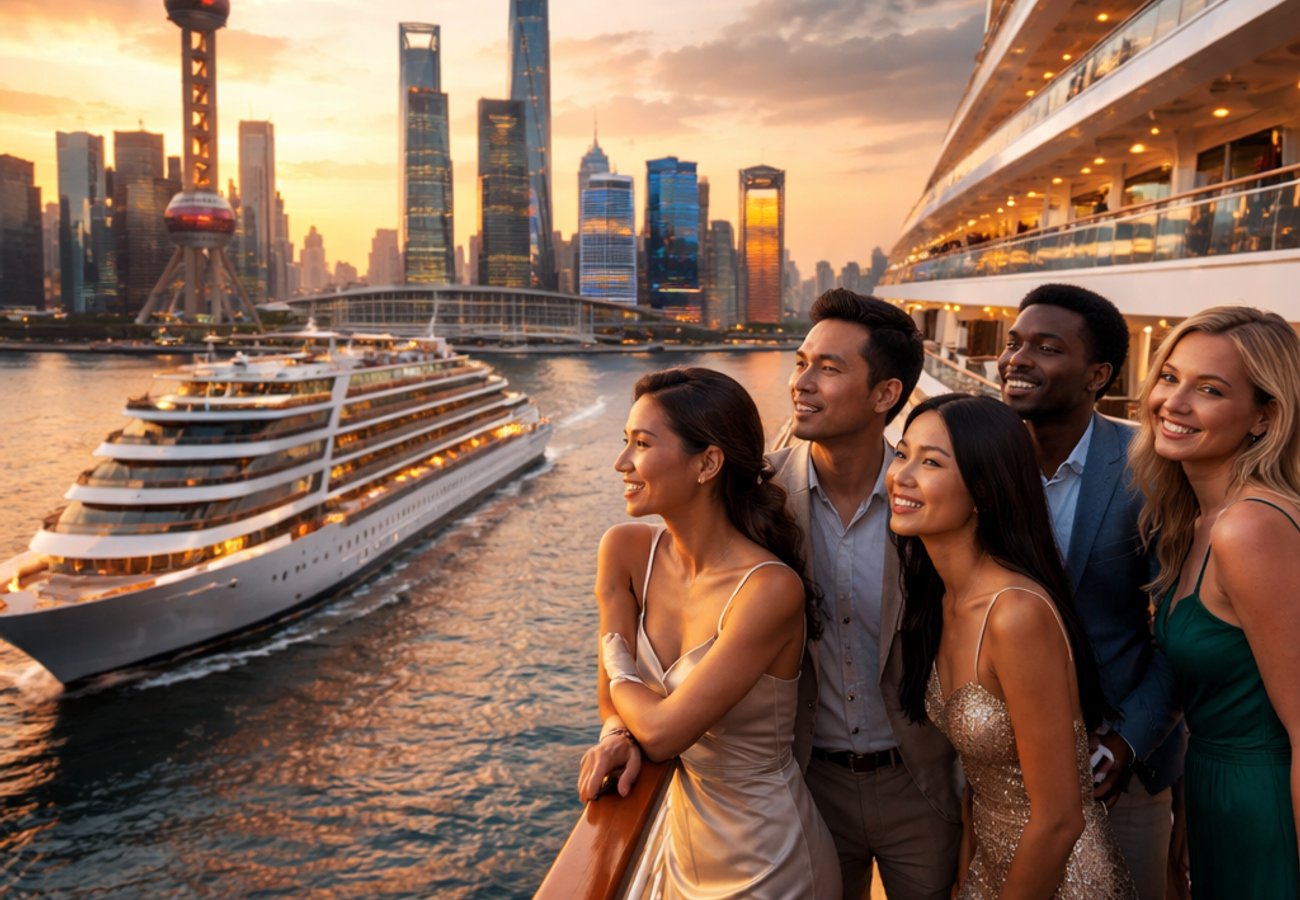
Image generated by AI
The Historic Departure: China's Cruise Tourism Turns a Corner
When the Adora Magic City cast off from Shanghai Wusongkou International Cruise Terminal on June 7, 2026, it marked something unprecedented for China's maritime landscape. This wasn't just another cruise ship departure—it was the nation's first-ever cruise-to-nowhere voyage, a three-day, two-night journey where the ship leaves port, circles the open waters, and returns home without a single stop in between.
The concept sounds counterintuitive. Why sail if you're not going anywhere? Yet this innovative model reveals something profound about how modern cruise tourism is evolving, particularly in markets hungry for new experiences but constrained by geography or regulatory limitations.
A Ship Becomes the Destination Itself
The genius of the cruise-to-nowhere model lies in its simplicity: the vessel itself becomes the destination. Rather than treating the ship as a floating hotel between port stops, operators like Adora are reimagining cruise vessels as comprehensive leisure ecosystems.
Onboard the Adora Magic City, passengers encounter stand-up comedy shows, magic performances, themed parties, and late-night dining experiences. The cruise operator capped passenger capacity at 80 percent of maximum load, intentionally creating a roomier, more intimate atmosphere. This strategic limitation also skews the passenger demographic toward younger travelers—a demographic shift with significant long-term implications for repeat bookings and brand loyalty.
Reddit: "This is genius. A cruise without the planning headache of multiple ports? I'm actually interested." — r/cruise
Breaking Bureaucratic Barriers: Shanghai's Role
None of this would have been possible without decisive administrative action. Shanghai authorities issued China's first entry-exit permits specifically for cruise-to-nowhere voyages, streamlining customs and border inspection protocols that typically bog down international maritime operations.
This regulatory innovation matters more than it might appear. By creating a dedicated legal framework for domestic cruise-to-nowhere services, Shanghai has effectively blueprinted what other Chinese ports can replicate. The streamlined process demonstrates how forward-thinking governance can unlock entire new tourism sectors.
Market Conditions Were Primed for This Launch
The timing wasn't accidental. China's cruise tourism sector experienced explosive growth in 2025, with total passenger throughput surging 25.3% year-on-year. Rising disposable incomes, evolving leisure preferences, and pent-up domestic travel demand created the perfect conditions for innovation.
The cruise-to-nowhere format directly addresses a market gap: travelers who want short, immersive experiences without committing to longer multi-port voyages. First-time cruise passengers—notoriously difficult to convert from other vacation formats—suddenly have a lower-friction entry point. A three-day voyage from their home city beats a week-long international cruise for many time-constrained professionals.
This strategic positioning has immediate ripple effects. The International Association of Cruise Lines has documented similar trends in markets like Singapore and South Korea, where domestic cruise-to-nowhere concepts successfully capture new passenger segments.
Infrastructure as Competitive Advantage
The Shanghai Wusongkou International Cruise Terminal now functions as a national hub for domestic cruising. This isn't merely symbolic—port infrastructure represents the binding constraint for sector growth. Modern cruise terminals require substantial capital investment, sophisticated logistics capabilities, and integration with regional transportation networks.
China's commitment to expanding this infrastructure signals serious, long-term investment in cruise tourism. Plans for sister ships like the Adora Flora City and other domestically-built vessels indicate a sustained push to grow the Chinese cruise fleet. Homegrown shipbuilding capacity reduces dependency on foreign vessel acquisition and creates substantial downstream economic activity.
Economic Multiplication: Why This Matters Beyond Tourism
The Adora Magic City voyage's true significance extends far beyond novelty appeal. Consider the economic multipliers:
Port spending concentrates locally—crew provisioning, fuel, maintenance, and terminal fees all circulate through Shanghai's economy. Onboard employment creates hundreds of service sector jobs. Repeat visits by converted first-time cruisers generate sustained passenger throughput.
Shanghai's Transportation Commission head Tong Danying framed cruise-to-nowhere voyages as establishing "entirely new consumption scenarios." That's bureaucratic language for: this opens a revenue stream that didn't previously exist.
Market Diversification as Strategic Resilience
The cruise-to-nowhere model also addresses a structural vulnerability in international cruise markets: geographic constraints and port dependency. During global disruptions—pandemic-related border closures, geopolitical tensions, or port congestion—operators whose entire business model depends on multi-port itineraries face existential risk.
Domestic, port-agnostic cruise products create operational resilience. They also support the emergence of uniquely Chinese cruise culture, encouraging repeat travel patterns and higher per-passenger spending than traditional point-to-point tourism.
What Comes Next: The Trajectory Is Clear
The strategic implications ripple outward:
Expanded domestic fleet capacity will drive additional terminal upgrades across Chinese coastal regions. Operators will introduce themed cruises, weekend getaways, and experiential packages targeting specific demographics. Success in the domestic market creates a pipeline for future cross-border expansion and international collaborations.
Industry analysts tracking Asia-Pacific cruise trends have flagged China as the emerging growth center for the entire global cruise sector. The Adora Magic City voyage isn't an isolated experiment—it's a proof-of-concept for a much larger strategic transformation.
The Passenger Experience Advantage
Why does passenger experience matter so intensely? Because modern leisure travelers don't book based on ports anymore—they book based on onboard experiences. A three-day floating resort with world-class entertainment, dining, and relaxation amenities competes directly with land-based resort packages, regardless of whether the ship moves.
By emphasizing comfort, convenience, and immersive leisure, the Adora Magic City establishes the foundation for a loyal, repeating passenger base. That's the unglamorous truth underlying the headline: sustainable cruise tourism growth rests on converting passengers into repeat customers, and cruise-to-nowhere voyages excel at exactly that conversion process.
A Turning Point for China's Cruise Sector
The June 2026 departure of the Adora Magic City represents more than a single voyage—it's a strategic pivot toward domestic-first cruise tourism, vertical integration through domestic shipbuilding, and regulatory innovation that enables market growth. China has recognized that cruise tourism represents an untapped domestic leisure market with substantial economic multiplier effects.
Over the next five years, expect: accelerated domestic fleet expansion, increased passenger throughput through Shanghai and other coastal hubs, growing employment in hospitality and maritime operations, and enhanced competitive positioning in global cruise markets.
The ship returned to Shanghai after three days at sea. But the journey it launched will reshape China's cruise tourism sector for decades.
The ship sailed nowhere and everywhere simultaneously—and that's precisely the point.
Related Travel Guides
Disclaimer
This article is for informational and educational purposes only. It does not constitute legal, financial, or professional advice. While we strive to provide accurate and up-to-date information, travel policies, regulations, and conditions change rapidly. Always verify information with official sources before making travel decisions. Nomad Lawyer makes no representations about the accuracy, reliability, completeness, or suitability of the information provided. Readers should consult qualified professionals for advice specific to their circumstances. The views expressed in this article are those of the author and do not necessarily reflect the views of Nomad Lawyer.
Preeti Gunjan
Contributor & Community Manager
A passionate traveller and community builder. Preeti helps grow the Nomad Lawyer community, fostering engagement and bringing the reader experience to life.
Learn more about our team →