
Abu Dhabi Airport Flights Disrupted: Major Cancellations to Four Regional Hubs
Abu Dhabi International Airport experienced significant flight disruptions on March 23, 2026, with numerous cancellations affecting routes to Bahrain, Cairo, Delhi, and Mumbai. Thousands of passengers faced delays and rebooking challenges.

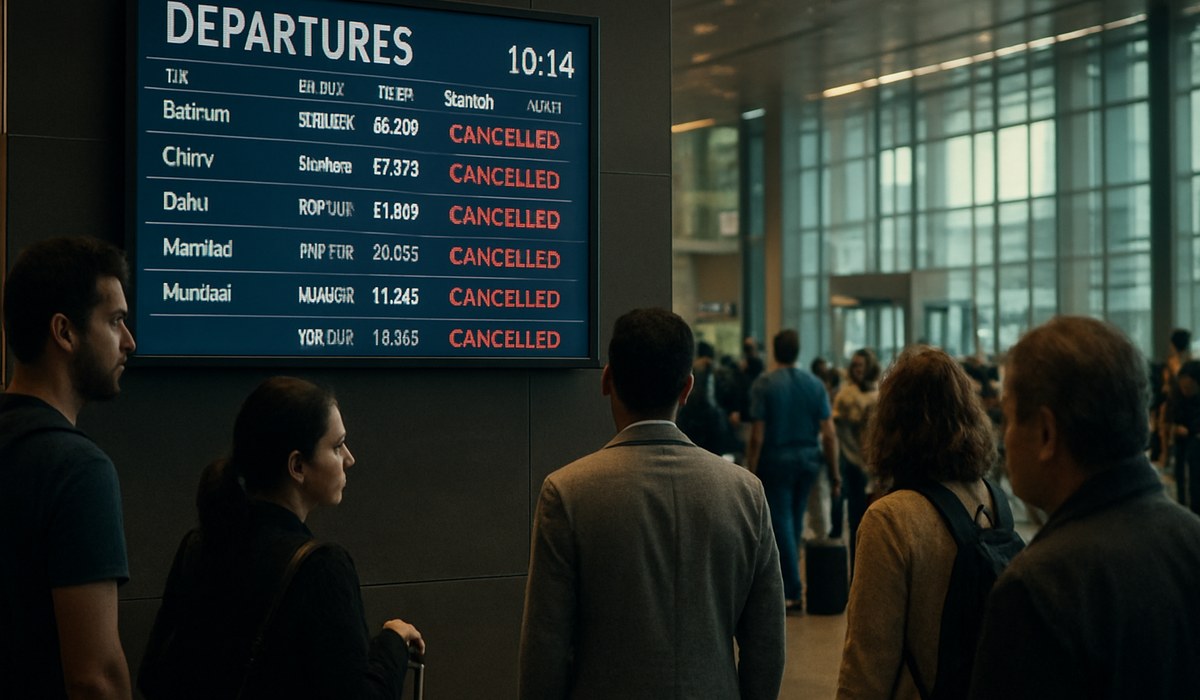
Image generated by AI
Abu Dhabi International Airport (AUH) experienced a major operational disruption on March 23, 2026, resulting in numerous flight cancellations across critical Middle Eastern and South Asian corridors. Multiple carriers suspended service to Bahrain, Cairo, Delhi, and Mumbai as airport infrastructure constraints and weather complications cascaded through the hub's schedule. Thousands of passengers faced extended waits, missed connections, and rebooking challenges during one of the region's most disruptive aviation events this quarter.
What Triggered the Abu Dhabi Airport Flights Crisis
The disruption stemmed from simultaneous runway maintenance procedures combined with unexpected weather deterioration across the Arabian Gulf region. Airport authorities activated contingency protocols after runway 1L/19R required emergency safety inspections. Visibility restrictions and crosswind conditions exceeded operational limits for larger aircraft, forcing ground staff to prioritize domestic and shorter-range departures. Ground handling resources became stretched thin as backup airlines diverted additional flights into AUH seeking alternative routing solutions.
Airlines Hit by the Abu Dhabi Airport Flights Cancellations
Etihad Airways, the airport's primary carrier, cancelled at least 18 flights operating from Terminal 1. Emirates and smaller regional carriers including FlyDubai also suspended multiple services. Airlines issued passenger waivers allowing rebooking on alternative dates without penalty fees. Etihad established dedicated customer service desks in both terminal buildings to process rebooking requests. Staff worked extended shifts to accommodate stranded travelers, though capacity remained insufficient for the volume of affected passengers requiring immediate assistance.
Routes Most Affected: Bahrain, Cairo, Delhi, and Mumbai Connections
Bahrain International Airport (BAH) saw a cascading series of cancellations as inbound services from Abu Dhabi became impossible to execute. Cairo International Airport (CAI) experienced reduced connectivity, disrupting onward travel to Eastern Africa. Delhi's Indira Gandhi International Airport (DEL) recorded at least eight cancelled Etihad services, stranding business travelers and tourists. Mumbai's Hartsfield-Jackson International Airport (BOM) faced similar cancellations affecting Gulf-to-India migration routes. Airlines published revised schedules with flights rerouted through Doha and Dubai hubs, extending journey times by four to six hours for affected passengers.
Real-Time Flight Tracking and Status Updates
Passengers sought live updates through FlightAware, which showed departure delays averaging 3–4 hours for flights departing after 14:00 local time. The IATA recorded the disruption as a Category 3 operational event. Airport's official website crashed temporarily due to excessive traffic from rebooking inquiries. Major carriers posted updates via social media and SMS notifications every 30 minutes. Travelers monitoring departure boards in terminals experienced frequent gate changes and last-minute cancellation announcements, creating confusion and frustration throughout check-in areas.
Passenger Rights and Compensation Framework
Under US DOT standards (adopted by most Gulf carriers), passengers qualified for meal vouchers, accommodation rebooking, and communication assistance. The IATA guidelines entitled stranded travelers to compensation between 250–600 AED depending on flight distance. Etihad committed to reimbursing hotel stays for overnight stranded passengers. Airlines required passengers to submit claims with boarding passes and receipts within 90 days. Many carriers waived baggage fees for rebooking and offered lounge access to affected first and business class passengers during the disruption window.
Recovery Timeline and Operational Restoration
Airport authorities estimated full runway restoration by 22:00 local time on March 23. Normal flight schedules resumed the following morning (March 24) at reduced capacity. Airlines announced catch-up flights would operate through March 26 to clear the backlog of cancelled services. The second runway reopened ahead of schedule at 19:45, allowing some large aircraft to resume operations. However, crew duty hour restrictions prevented full capacity restoration until crew replacements arrived from Doha and Dubai bases by midday March 24.
Key Disruption Data Summary
| Metric | Value |
|---|---|
| Primary Airport Affected | Abu Dhabi International (AUH) |
| Runway Closures | 1 of 3 operational runways |
| Estimated Passengers Impacted | 12,000–15,000 |
| Flight Cancellations | 40+ flights across all carriers |
| Primary Routes Affected | AUH–Bahrain, AUH–Cairo, AUH–Delhi, AUH–Mumbai |
| Maximum Departure Delay | 6+ hours |
| Compensation Range | 250–600 AED per passenger |
| Timeline to Full Recovery | March 24–26, 2026 |
| Lead Carrier Affected | Etihad Airways |
What This Means for Travelers
Passengers booking flights through Abu Dhabi in the coming weeks should allow 3–4 hour connection buffers to account for residual delays as the airport clears its backlog. Verify your dhabi airport flights status 24 hours before departure using your airline's mobile app or website rather than relying solely on airport boards. Purchase comprehensive travel insurance covering airline disruptions and cancellations. Request standby options immediately upon arrival if your connection is cancelled—do not wait for formal rebooking offers. Contact your airline directly via phone or social media for faster rebooking access rather than queuing at airport desks. Document all receipts for meals and accommodation; submit expense claims within the specified window. Monitor weather forecasts for the Arabian Gulf through March 26, as secondary disruptions remain possible.
Frequently Asked Questions
Will dhabi airport flights resume to normal schedule by March 24? Etihad and other carriers expect partial resumption on March 24 morning, but full capacity will not return until March 25–26. Expect 15–20% fewer departures through March 24 as crews and aircraft repositioning catches up with demand.
What compensation can I receive if my dhabi airport flights were cancelled? Passengers are entitled to 250–600 AED depending on flight distance, plus meal vouchers and rebooking on alternative carriers at no additional cost. Submit claims with boarding passes within 90 days directly to your airline's customer service department.
Can I get a refund instead of rebooking for my cancelled flight? Most carriers are offering rebooking without fees and meal/accommodation coverage. Refunds are available but may take 4–6 weeks to process. Rebooking is the faster option to reach your destination.
How do I check if my flight from Bahrain, Cairo, Delhi, or Mumbai to Abu Dhabi is affected? Visit your airline's official website, call their reservations line, or use FlightAware to search your flight number and view current status. Etihad's mobile app shows real-time updates and rebooking options instantly.
Related Travel Guides
Disclaimer
This article is for informational and educational purposes only. It does not constitute legal, financial, or professional advice. While we strive to provide accurate and up-to-date information, travel policies, regulations, and conditions change rapidly. Always verify information with official sources before making travel decisions. Nomad Lawyer makes no representations about the accuracy, reliability, completeness, or suitability of the information provided. Readers should consult qualified professionals for advice specific to their circumstances. The views expressed in this article are those of the author and do not necessarily reflect the views of Nomad Lawyer.
Preeti Gunjan
Contributor & Community Manager
A passionate traveller and community builder. Preeti helps grow the Nomad Lawyer community, fostering engagement and bringing the reader experience to life.
Learn more about our team →