
Canada's Fighter Pilot Crisis: Why Military Salaries Fall Behind Private Aviation in 2026
Breaking airline news and aviation industry updates for 2026.

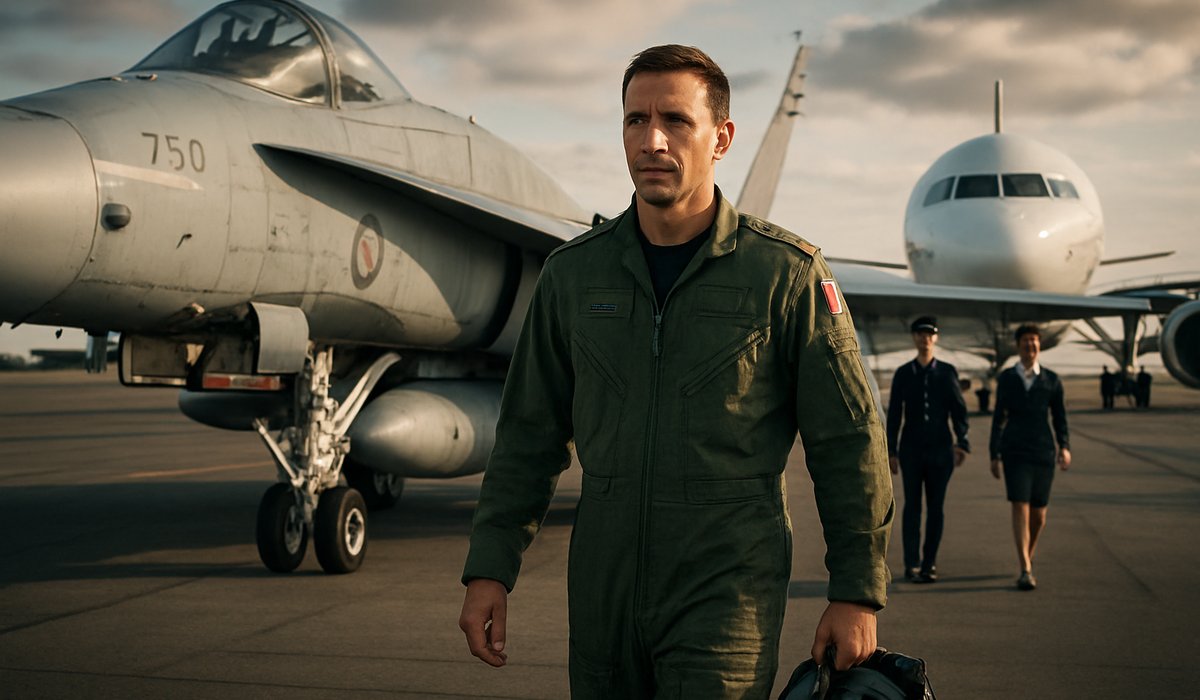
Image generated by AI
Canada's Fighter Pilot Crisis: Why Military Salaries Fall Behind Private Aviation in 2026
The Royal Canadian Air Force struggles to retain experienced combat pilots as commercial carriers poach talent with lucrative compensation packages
A Retention Crisis Reshaping Canada's Air Defence
The Royal Canadian Air Force faces an escalating personnel challenge that threatens operational readiness across its fighter squadrons. Despite competitive salary offerings, the organization continues losing experienced pilots to commercial aviation careers, a trend accelerating as private airlines expand international operations and boost compensation to attract scarce aviation talent.
The competition for skilled pilots has intensified dramatically as global travel demand recovers and the aviation industry faces a documented shortage of trained aviators. Commercial carriers—including Air Canada, WestJet, and international operators—actively recruit military-trained pilots with signing bonuses and salary packages that substantially exceed what Canadian military compensation structures can offer.
The Compensation Gap
Fighter jet pilots in the Royal Canadian Air Force earn competitive base salaries by military standards, yet the financial gap between public sector compensation and private sector opportunities continues widening. Entry-level and mid-career pilots face immediate salary advantages by transitioning to commercial aviation, where regional and international carriers aggressively pursue experienced personnel with demonstrated technical expertise.
This economic disparity represents only part of a broader recruitment and retention challenge. Work-life balance, deployment schedules, and family considerations further influence pilot decisions to leave military service. The complexity of the problem defies simple resolution through wage increases alone—a reality military leadership has grappled with since aviation's earliest conflicts during World War I.
Long-Standing Institutional Challenge
Military air forces worldwide confront nearly identical obstacles regarding pilot retention. The fundamental issue stems from structural differences between military and commercial operations: mission requirements, geographic deployment, and career advancement opportunities create inherent tensions that financial compensation cannot entirely resolve.
The Royal Canadian Air Force acknowledges these multifaceted pressures while pursuing retention strategies beyond salary adjustments. Career development opportunities, enhanced operational technology, and quality-of-life improvements represent complementary approaches to addressing the underlying crisis.
Industry-Wide Implications
Canada's military pilot shortage mirrors broader aviation sector challenges. As commercial aviation expands routes and fleet capacity following pandemic recovery, demand for qualified pilots has reached unprecedented levels. This competitive labor market advantages private carriers, which can rapidly shift compensation packages to attract experienced aviators from government service.
The situation carries significant national security implications, as sustained pilot losses directly impact military readiness and operational capabilities. The Royal Canadian Air Force must balance immediate operational needs against long-term strategic personnel planning—a balancing act that increasingly demands comprehensive solutions extending beyond traditional compensation models.
FAQ: Fighter Pilot Salaries and Aviation Career Questions
What do Royal Canadian Air Force fighter pilots earn compared to commercial pilots? RCAF pilots earn stable government salaries, though commercial carriers typically offer higher compensation packages, especially for experienced aviators. The gap has widened as global airline demand increases post-pandemic.
Why is pilot retention a critical issue for Canada's military? Losing trained combat pilots reduces operational readiness and increases training costs. Experienced pilots represent significant institutional knowledge that cannot be quickly replaced.
Are military pilots leaving for commercial aviation worldwide? Yes, this challenge affects air forces globally, not just Canada. The commercial aviation industry's expansion has created unprecedented demand for trained aviators across all countries.
What strategies beyond salary increases might improve military pilot retention? Career development, deployment schedule flexibility, improved technology access, and family support services can address non-financial factors influencing retention decisions.
How does jet fuel pricing affect military pilot compensation decisions? While fuel costs impact airline profitability and hiring decisions, pilot compensation struggles stem primarily from the broader competitive labor market between military and commercial sectors.
Related Travel Guides
Flight Delay Compensation Guide 2026
Understanding Airline Route Changes
Airport Security Process Updated (2026)
External Resources
Disclaimer
This article is for informational and educational purposes only. It does not constitute legal, financial, or professional advice. While we strive to provide accurate and up-to-date information, travel policies, regulations, and conditions change rapidly. Always verify information with official sources before making travel decisions. Nomad Lawyer makes no representations about the accuracy, reliability, completeness, or suitability of the information provided. Readers should consult qualified professionals for advice specific to their circumstances. The views expressed in this article are those of the author and do not necessarily reflect the views of Nomad Lawyer.
Preeti Gunjan
Contributor & Community Manager
A passionate traveller and community builder. Preeti helps grow the Nomad Lawyer community, fostering engagement and bringing the reader experience to life.
Learn more about our team →