
Boeing 787 Dreamliner: How Six Routes Revolutionized Global Aviation and Reshaped the Industry
Breaking airline news and aviation industry updates for 2026.

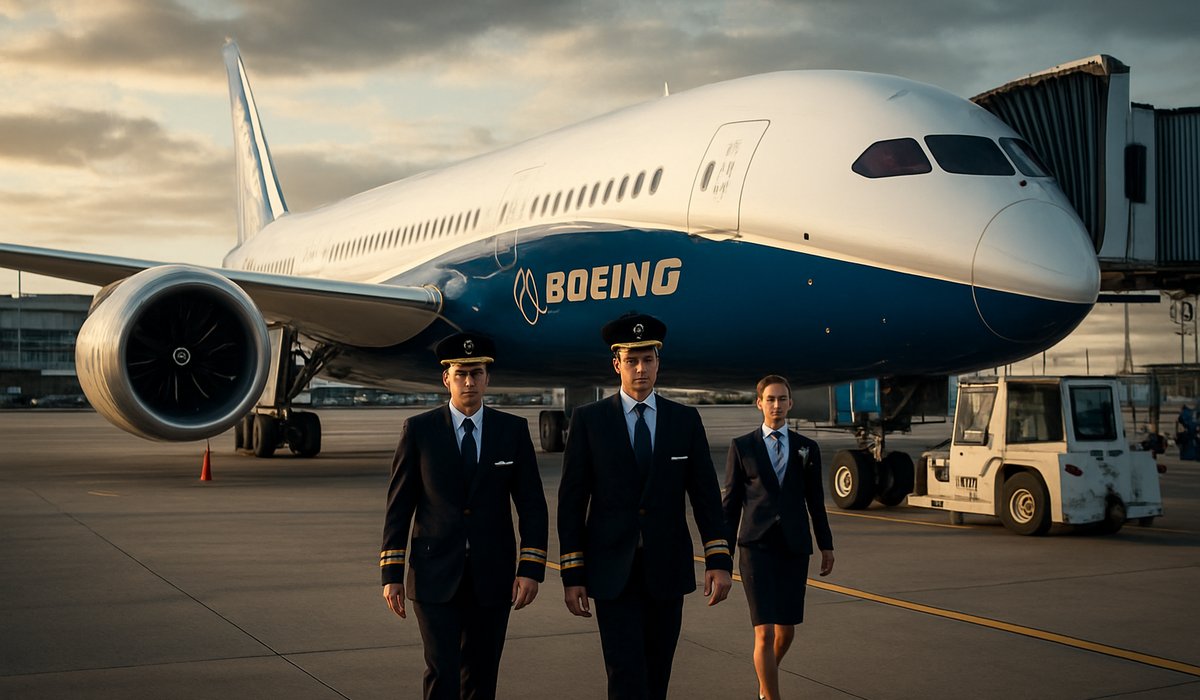
Image generated by AI
Boeing 787 Dreamliner: How Six Routes Revolutionized Global Aviation and Reshaped the Industry
The aircraft that broke the hub-and-spoke stranglehold has enabled over 370 new direct connections worldwide since 2011
A Turning Point in Commercial Aviation
The Boeing 787 Dreamliner fundamentally altered how airlines think about route planning and passenger connectivity. Since its commercial debut in 2011, this wide-body aircraft has transcended the limitations of traditional aviation infrastructure, enabling carriers to establish direct flights on corridors previously deemed economically unfeasible. The data tells a compelling story: across more than 2,000 individual routes worldwide, the Dreamliner has catalyzed the creation of 370-plus new point-to-point connections that challenged conventional wisdom about what constitutes a viable air service.
This shift represents a seismic departure from the rigid hub-and-spoke network model that dominated late-twentieth-century aviation. Rather than funneling passengers through major international hubs for connection, airlines now deploy the 787's superior fuel efficiency and extended range to serve secondary and tertiary cities directly—a capability that has profound implications for route economics, jet fuel consumption, and ultimately, traveler accessibility and baggage charges across the industry.
Why Six Routes Matter
While the 787's overall impact spans thousands of flight paths, six pivotal routes exemplify the aircraft's transformative potential. These corridors represent more than mere additions to airline schedules; they showcase the Dreamliner's ability to unlock genuine demand on routes where traditional aircraft economics made service impossible. By examining these specific connections, the aviation industry's structural shift becomes apparent—one driven by superior fuel efficiency, extended range capabilities, and reduced operating costs per available seat mile.
Reshaping Industry Economics and Travel Access
The introduction of the Dreamliner coincided with evolving global dynamics: rising jet fuel prices in certain periods, geopolitical shifts affecting traditional routing, and surging demand for direct connectivity in emerging markets. The aircraft's 242-330 seat configurations and ability to traverse 7,600+ nautical miles without refueling presented airlines with previously unavailable operational flexibility.
This flexibility has cascading effects throughout the aviation ecosystem. Direct routes reduce passenger journey times, eliminate connection-related baggage complications, and allow airlines to optimize crew scheduling. The resulting operational efficiency translates into improved profitability metrics for carriers and, potentially, more competitive pricing for consumers—though airlines have historically reinvested such savings into expanded route networks rather than lower fares.
A New Era for Global Connectivity
The Dreamliner's impact extends beyond mere statistics. It has democratized long-haul travel access for cities outside major hub markets, fundamentally altering competitive dynamics in the aviation industry. Secondary cities now compete on equal footing for international connectivity, forcing legacy carriers to innovate their network strategies and compelling new entrants to challenge established market leaders.
As the global fleet of 787s continues to expand and aging wide-body aircraft retire, the Dreamliner's influence on route planning, airline profitability, and passenger experience will only intensify.
FAQ: Understanding the Boeing 787's Impact on Modern Aviation
What makes the Boeing 787 Dreamliner different from older wide-body aircraft? The 787 combines extended range (7,600+ nautical miles), superior fuel efficiency, and advanced cabin technology. These features enable airlines to operate routes on aircraft types previously reserved for shorter distances, while consuming less jet fuel per seat than legacy aircraft.
How have airline baggage charges and fees changed since the 787's introduction? While the 787's efficiency didn't directly reduce airline baggage fees, it did enable cheaper per-seat operating costs on long-haul routes. However, carriers typically reinvested such savings into network expansion rather than reducing passenger surcharges.
What is the hub-and-spoke model, and why did the 787 disrupt it? Hub-and-spoke routes funnel passengers through major connection hubs. The 787's range allows direct service on previously impossible routes, enabling point-to-point travel that bypasses traditional hubs entirely.
Which airlines have benefited most from the Dreamliner's capabilities? Carriers including Boeing's primary customers—United, American, British Airways, and international operators—have aggressively deployed the 787 to establish new routes, particularly on long-haul services connecting secondary cities.
How does jet fuel price volatility affect Dreamliner route profitability? The 787's superior fuel efficiency provides airlines with an economic buffer during periods of elevated jet fuel prices, making marginal routes more viable than they would be on older aircraft.
Related Travel Guides
- Delta Alaska Southwest United Premium Cabins Transform 2026 Air Travel
- Breaking Airline News: Mid-Air Terror as United Airlines Boeing 737 MAX 9 Diverts to Albuquerque, Sparking Massive Travel Chaos
- United Airlines Flight UA969 Emergency Landing Triggers Massive Transatlantic Travel Chaos From Amsterdam to San Francisco: Latest Airline News and Aviation Updates
Disclaimer
This article is for informational and educational purposes only. It does not constitute legal, financial, or professional advice. While we strive to provide accurate and up-to-date information, travel policies, regulations, and conditions change rapidly. Always verify information with official sources before making travel decisions. Nomad Lawyer makes no representations about the accuracy, reliability, completeness, or suitability of the information provided. Readers should consult qualified professionals for advice specific to their circumstances. The views expressed in this article are those of the author and do not necessarily reflect the views of Nomad Lawyer.
Preeti Gunjan
Contributor & Community Manager
A passionate traveller and community builder. Preeti helps grow the Nomad Lawyer community, fostering engagement and bringing the reader experience to life.
Learn more about our team →