
How Airbus Revolutionized Aviation: Six Aircraft That Reshaped the Industry and Commercial Flight Economics
Breaking airline news and aviation industry updates for 2026.

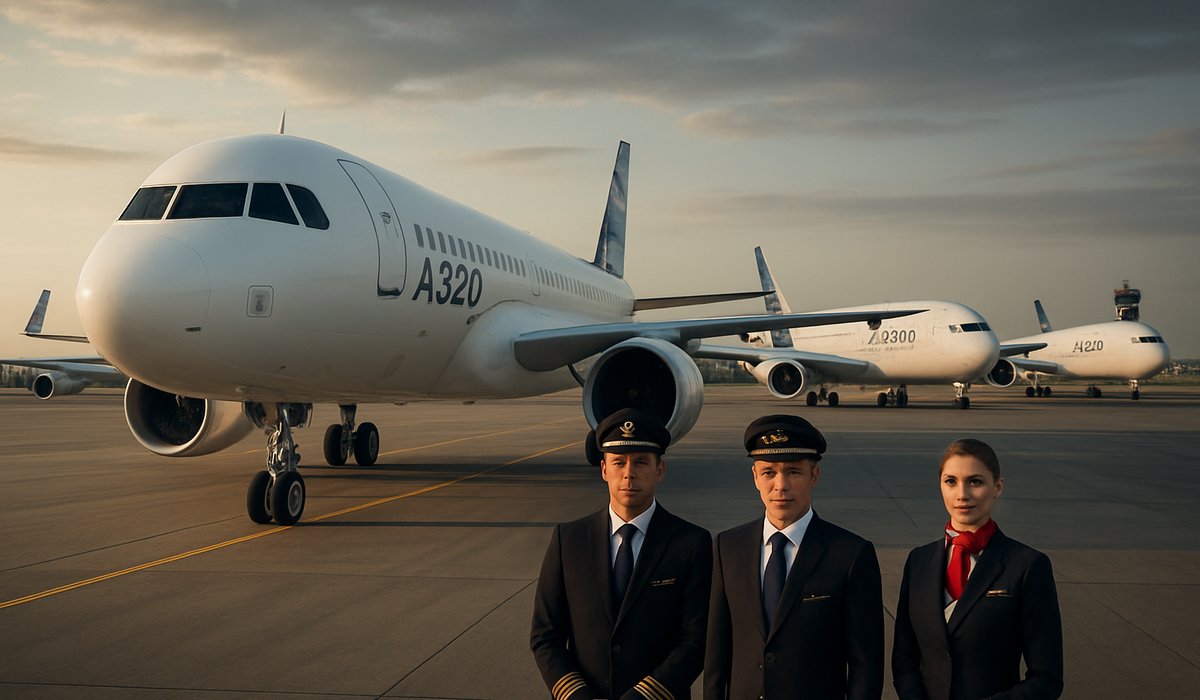
Image generated by AI
How Airbus Revolutionized Aviation: Six Aircraft That Reshaped the Industry and Commercial Flight Economics
From underdog challenger to market disruptor, Airbus's groundbreaking aircraft designs have fundamentally transformed how airlines operate and travelers experience flight
The European Challenger That Changed Everything
When Airbus entered the commercial aviation market five decades ago, the industry landscape was dominated by established American manufacturers—Boeing, McDonnell Douglas, and Lockheed—who had carved out seemingly unshakeable positions in global air transport. Yet through a series of bold engineering innovations and strategic design decisions, the European aerospace consortium systematically dismantled this hierarchy, introducing revolutionary aircraft that would become the gold standard across the industry.
The impact of Airbus's rise extends far beyond technological achievement. As the manufacturer's fleet has grown to dominate airline fleets worldwide, it has fundamentally reshaped the economics of commercial aviation—from aircraft operating costs and crew efficiency to the very structure of airline business models that determine baggage charges, jet fuel surcharges, and ticket pricing strategies that travelers encounter today.
Breaking the American Monopoly Through Innovation
Airbus's disruptive approach centered on radical departures from conventional cockpit philosophy and fuel efficiency metrics that Boeing had long accepted as industry standards. Rather than incremental improvements, Airbus pursued transformative redesigns that challenged fundamental assumptions about how aircraft should be engineered and operated.
This competitive pressure created a cascading effect throughout the aviation industry. Airlines, suddenly able to choose between competing manufacturers rather than accepting Boeing's dominance, leveraged this choice to negotiate better pricing and terms. The resulting cost savings have directly influenced operational expenses that carriers pass—or don't pass—to consumers through ancillary fees and ticket pricing.
Six Aircraft That Defined an Era
Over the past fifty years, six specific Airbus airframes stand out as genuine game-changers, each breaking established conventions and forcing the industry to fundamentally rethink aircraft design, pilot training protocols, and commercial flight economics. These machines didn't merely compete with their American counterparts—they introduced technologies and operational concepts that became the de facto industry standard, eventually adopted even by Airbus's competitors.
The ripple effects of these innovations continue shaping aviation today, influencing everything from airline network planning to the fuel efficiency standards that determine how carriers price their services and structure their fee-based revenue models.
FAQ: Understanding Airbus's Impact on Modern Aviation
How has Airbus competition affected airline ticket prices and fees? Airbus's market entry created genuine competition, reducing aircraft acquisition costs for airlines. However, the resulting savings haven't directly lowered fares—instead, carriers have reinvested in fleet modernization while introducing baggage fees and fuel surcharges as separate revenue streams.
Which Airbus aircraft is most widely used by airlines today? The A320 family dominates commercial aviation globally, with thousands in operation across carriers worldwide, making it the most successful commercial jetliner ever built.
How did Airbus's cockpit designs differ from Boeing's approach? Airbus pioneered side-stick controls and fully digital flight decks earlier than competitors, emphasizing automation and crew ergonomics in ways that ultimately influenced Boeing's subsequent designs.
What was Airbus's original competitive advantage? Focus on fuel efficiency, operational cost reduction, and pilot-friendly cockpit design allowed Airbus to undercut established manufacturers on operating economics—the metric airlines use to calculate ticket pricing and service viability.
How has Airbus's growth affected aviation industry dynamics? Competition between Airbus and Boeing has accelerated technological innovation, but it has also fragmented aircraft fleets, increasing maintenance complexity and training costs that airlines recoup through service fees.
Related Travel Guides
Flight Delay Compensation Guide 2026
Understanding Airline Route Changes
Airport Security Process Updated (2026)
External Resources
Disclaimer
This article is for informational and educational purposes only. It does not constitute legal, financial, or professional advice. While we strive to provide accurate and up-to-date information, travel policies, regulations, and conditions change rapidly. Always verify information with official sources before making travel decisions. Nomad Lawyer makes no representations about the accuracy, reliability, completeness, or suitability of the information provided. Readers should consult qualified professionals for advice specific to their circumstances. The views expressed in this article are those of the author and do not necessarily reflect the views of Nomad Lawyer.
Raushan Kumar
Founder & Lead Developer
Full-stack developer with 11+ years of experience and a passionate traveller. Raushan built Nomad Lawyer from the ground up with a vision to create the best travel and law experience on the web.
Learn more about our team →