
21.7 Million US Cruise Passengers Expected in 2026: Miami, Galveston, Alaska Ports Boom as Industry Hits Record Growth
America's cruise industry is set to welcome 21.7 million passengers in 2026, transforming coastal economies from Miami to Alaska. AAA data reveals unprecedented growth driving jobs, revenue, and revival across US port cities.

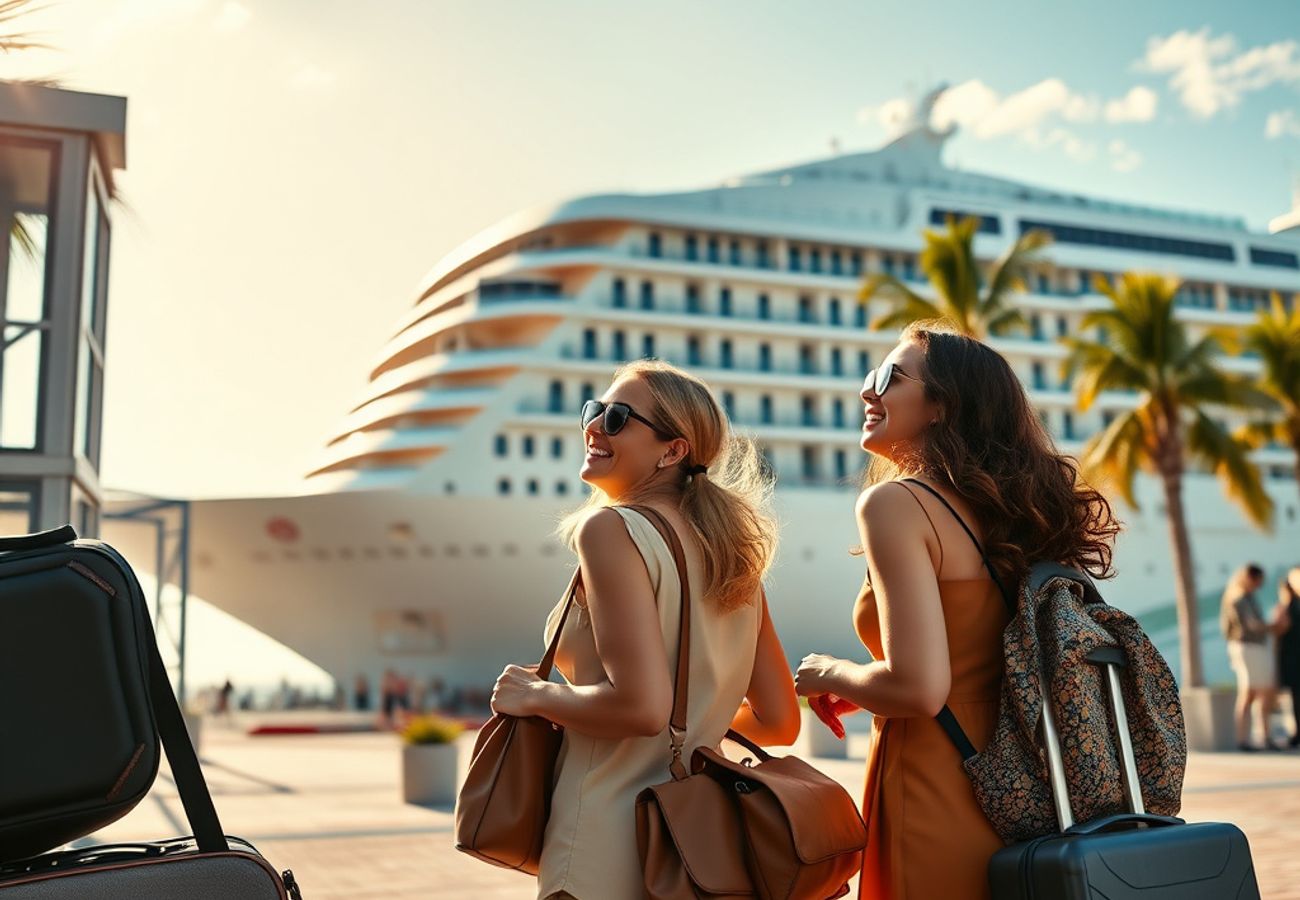
Image generated by AI
America's Cruise Industry Hits Historic Milestone: 21.7 Million Passengers and Counting
The numbers tell a story of remarkable recovery and explosive growth. The American cruise industry is bracing for what could be its strongest year on record, with AAA forecasting 21.7 million Americans will embark on ocean cruises in 2026 — a striking surge from the estimated 20.7 million passengers in 2025.
This isn't just good news for vacationers. The tsunami of cruise tourism is reshaping entire coastal economies, transforming waterfront cities from Miami to Skagway into powerful economic engines that are breathing life back into struggling tourism sectors.
Why This Matters: Beyond the Headlines
Here's what most travel reporters miss: cruise passengers don't just disappear onto ships. They spend money before departure, during their voyage, and after they return. Hotels fill up. Restaurants overflow. Local shops see traffic spikes. Tour operators book solid months.
Reddit: "I didn't realize how much cruise tourism props up entire towns until I visited Ketchikan. The shops, restaurants, everything shuts down in winter because the cruise ships stop coming." — r/Alaska
The ripple effect extends to parking services, ground transportation, retail operations, and attraction operators who have grown deeply dependent on consistent cruise passenger flow.
Miami: The Undisputed Cruise Capital Tightens Its Grip
Miami remains the world's busiest cruise homeport by a commanding margin. The city welcomes millions of passengers annually while simultaneously serving as global headquarters for multiple cruise corporations.
The economic ecosystem is sophisticated and deep. Cruise tourism supports thousands of jobs across accommodation, aviation, hospitality, retail, food services, logistics, and maritime operations — making the industry one of the three pillars of Miami-Dade's tourism economy.
Here's the critical detail: passengers typically arrive one to two days before departure and linger after their cruise ends. This extends economic activity year-round, well beyond the waterfront into airport terminals, hotel lobbies, restaurant kitchens, and entertainment districts. As cruise lines continue introducing megaships with 6,000+ passenger capacities, Miami's dominance shows no signs of weakening.
Port Canaveral: The Family Cruise Phenomenon
Port Canaveral has positioned itself as America's fastest-growing cruise gateway by combining accessibility with unmatched demand for Caribbean itineraries and family-focused holidays.
Disney Cruise Line, Carnival Cruise Line, Royal Caribbean International, Norwegian Cruise Line, and MSC Cruises all maintain significant operations here. Each ship arrival generates business for parking operators, hotels, restaurants, taxi services, tour companies, and regional attractions throughout Central Florida.
The connection to Orlando's broader tourism ecosystem creates a multiplier effect — cruise passengers often combine their voyage with theme park visits, extending their spending across the entire region.
Galveston: Texas's Economic Lifeline Surges Forward
The transformation of Galveston from a regional port to a major cruise hub represents one of American tourism's most dramatic turnarounds. Today, more than 60% of the Port of Galveston's revenue flows directly from cruise operations.
Carnival Cruise Line, Royal Caribbean, Norwegian, Disney, and MSC all operate major homeports here, collectively supporting thousands of jobs and channeling hundreds of millions of dollars into the Texas economy annually.
The city has built an entire infrastructure around cruise tourism — hotels designed specifically for pre and post-cruise stays, restaurants catering to passenger demographics, and retail establishments competing aggressively for cruise visitor spending.
Alaska's Golden Triangle: Where Cruise Passengers Outnumber Residents
Three Alaskan towns have become entirely dependent on cruise tourism: Juneau, Ketchikan, and Skagway. The dynamic is almost surreal — these small communities receive more cruise visitors annually than their year-round population.
Juneau alone welcomes more than 1.6 million cruise passengers each year, vastly outnumbering its 32,000 permanent residents. Ketchikan and Skagway experience similar patterns, with summer seasons driven almost entirely by cruise arrivals.
This creates both opportunity and challenge. Excursion operators, retailers, restaurants, museums, and tour guide services depend entirely on seasonal cruise traffic. The Princess, Holland America, Norwegian, and Royal Caribbean ships that dock here represent lifelines for local employment.
However, this concentration also raises concerns about overtourism and economic fragility when cruise itineraries shift or global disruptions (like the pandemic) eliminate service.
West Coast Emergence: Seattle, San Francisco, San Diego Rise
The West Coast cruise market is expanding rapidly, driven primarily by Alaska cruise demand. Seattle serves as the primary gateway, generating strong spending on hotels, flights, and pre-cruise tourism activities.
San Francisco and San Diego contribute significantly through passenger spending and ship calls along Pacific routes. Princess, Carnival, Holland America, and Disney vessels regularly transit these ports, creating substantial local economic activity and supporting waterfront redevelopment initiatives.
Southern Charm Meets Cruise Economics: New Orleans and Key West
New Orleans leverages cruise tourism to complement its convention and leisure tourism economy. Passengers often extend stays before and after voyages, benefiting hospitality, dining, and entertainment sectors throughout the city.
Key West generates major spending through restaurants, attractions, retail, and tour operators. The Caribbean cruise market creates hundreds of jobs and drives tens of millions of dollars in annual visitor expenditure.
The Employment Story Nobody Talks About
While headlines focus on passenger numbers, the real economic transformation happens in job creation. Ports, maritime services, hospitality, ground transportation, retail, attractions, and tour operations all require staffing to handle 21.7 million annual passengers.
The employment multiplier extends far beyond visible cruise operations. Supply chain vendors, food distributors, cleaning services, maintenance contractors, and logistics companies all benefit from expanded cruise operations. For coastal communities with limited economic diversity, cruise tourism has become genuinely transformative.
Looking Forward: 2026 Sets the Stage for Industry Expansion
The cruise industry's trajectory suggests this growth will accelerate. Cruise lines continue placing orders for new vessels, expanding itineraries, and entering underserved markets. Port cities are investing in terminal upgrades, infrastructure improvements, and hospitality expansion to capture an increasing share of cruise passenger spending.
The Cruise Lines International Association reports sustained demand across all demographic segments — from budget-conscious families exploring Caribbean routes to affluent retirees booking Mediterranean expeditions. Shorter itineraries (three to five days) continue attracting time-constrained travelers who previously couldn't commit to week-long voyages.
For American coastal economies, this represents genuine hope. After years of uncertainty, cruise tourism is delivering consistent revenue, employment, and economic vitality to regions that desperately need it.
The cruise industry isn't just transporting passengers anymore — it's rescuing entire coastal economies.
Related Travel Guides
Disclaimer
This article is for informational and educational purposes only. It does not constitute legal, financial, or professional advice. While we strive to provide accurate and up-to-date information, travel policies, regulations, and conditions change rapidly. Always verify information with official sources before making travel decisions. Nomad Lawyer makes no representations about the accuracy, reliability, completeness, or suitability of the information provided. Readers should consult qualified professionals for advice specific to their circumstances. The views expressed in this article are those of the author and do not necessarily reflect the views of Nomad Lawyer.
Kunal K Choudhary
Co-Founder & Contributor
A passionate traveller and tech enthusiast. Kunal contributes to the vision and growth of Nomad Lawyer, bringing fresh perspectives and driving the community forward.
Learn more about our team →