
20 Million Tourists and Counting: How Croatia's Visa-Free Access for USA, Germany, France, and 62 Nations Is Rewriting European Tourism in 2026
Germany Joins France, Italy, Spain , UK, USA, Canada, Australia, with visa-free access for 62 nations, boosting Croatia's tourism in Zagreb, Dubrovnik, Split across Europe in 2026

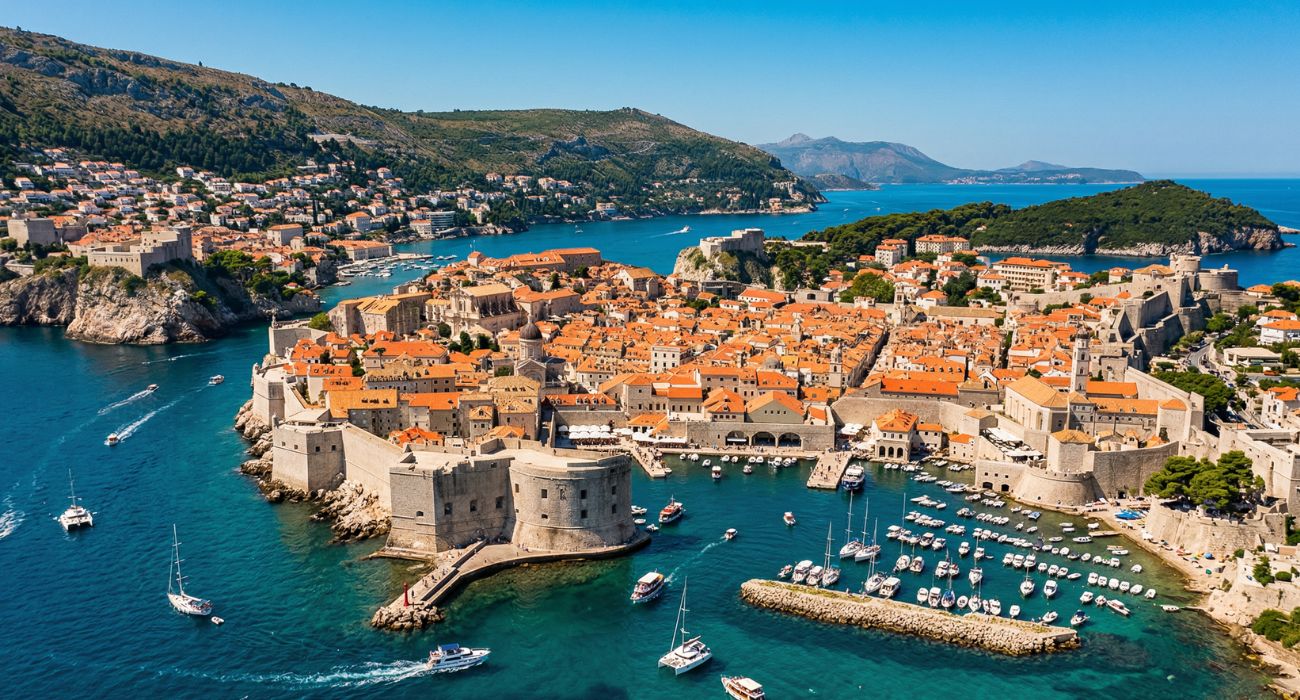
Image generated by AI
**> Quick Summary
- Croatia welcomes over 20 million tourists annually, with tourism contributing ~20% to GDP
- Visa-free access for USA, Germany, France, and 62 nations under Schengen Area
- Key destinations include Zagreb, Dubrovnik, and Split with strong airline connectivity
- Major events like Ultra Europe and Dubrovnik Summer Festival drive seasonal demand
- Peak season May–September requires advance booking for flights and accommodations**
20 Million Tourists and Counting: How Croatia's Visa-Free Access for USA, Germany, France, and 62 Nations Is Rewriting European Tourism in 2026
ZAGREB — Croatia is experiencing one of its most transformative tourism years on record, with over 20 million international visitors arriving annually and a rapidly expanding visa-free access framework that now covers travelers from Germany, France, Italy, Spain, the United Kingdom, the United States, Canada, Australia, and more than 62 countries worldwide. Backed by full Schengen Area integration, surging airline connectivity, and a hospitality sector drawing billions in investment, Croatia's coastal cities of Dubrovnik and Split alongside its capital Zagreb are positioned at the heart of Europe's most exciting travel story of 2026. For global travelers seeking seamless entry, stunning Adriatic coastlines, and UNESCO-listed heritage, Croatia has never been more accessible — or more popular.
The country's tourism boom reflects strategic policy decisions and infrastructure investments that have positioned Croatia as a premier Mediterranean destination. With visa-free access extending across continents, Croatia attracts high-spending leisure travelers from North America, Asia, and Oceania, while maintaining strong European markets.
Croatia's Tourism Economy: The Numbers Behind the Boom
Tourism is not a sideline for Croatia — it is the engine of its national economy, and the data makes that unmistakably clear. With a nominal GDP exceeding $80 billion, the sector contributes approximately 20% of total GDP, making Croatia one of the most tourism-dependent economies in the European Union. The table below captures the essential economic picture:
| Indicator | Data (Latest Available) |
|---|---|
| GDP (Nominal) | Approx. $80+ Billion |
| Tourism Contribution | ~20% of GDP |
| Tourist Arrivals | 20+ Million annually |
| Key Source Markets | Germany, UK, Italy, Austria |
Tourism remains one of Croatia's most important economic drivers, contributing significantly to both employment and regional development across its coastal and inland regions. Germany, the United Kingdom, Italy, and Austria consistently rank as the country's top four source markets, with long-haul arrivals from the United States, Asia, and the Middle East registering the fastest growth rates heading into 2026.
Visa-Free Access: The Policy Fueling the Surge
The single most powerful driver behind Croatia's 2026 tourism acceleration is the breadth of its visa-free entry framework, which now spans continents and covers the world's most mobile traveler populations. As a full Schengen member, Croatia extends visa-free short-stay access to all Schengen Area nationals automatically, but the country's bilateral and multilateral agreements stretch far beyond Europe's borders.
Travelers from North America — including citizens of the United States and Canada — enter visa-free. So do visitors from Asia's most prolific outbound markets including Japan, South Korea, Singapore, and Malaysia. From Oceania, both Australian and New Zealand passport holders travel without a visa. South American travelers from Brazil, Argentina, and Chile benefit from the same streamlined access, as do Middle Eastern visitors from the UAE and Israel. The full continental breakdown is as follows:
| Region | Visa-Free Countries |
|---|---|
| Europe | All Schengen countries, United Kingdom, Ireland |
| North America | United States, Canada |
| Asia | Japan, South Korea, Singapore, Malaysia |
| Oceania | Australia, New Zealand |
| South America | Brazil, Argentina, Chile |
| Middle East | UAE, Israel |
This expansive visa-free architecture means that the vast majority of the world's high-spending leisure travelers can book Croatia without the friction of visa applications — a competitive advantage that few Mediterranean destinations can match at the same scale.
Airlines and Airports Driving Record Connectivity
Croatia's tourism boom would be impossible without the aviation infrastructure supporting it. Five carriers dominate the country's inbound connectivity: Croatia Airlines, Ryanair, easyJet, Lufthansa, and Emirates — a mix that covers everything from budget short-haul European routes to premium long-haul connections from the Gulf. These airlines connect Croatia to major European hubs and international destinations, supporting both leisure and business travel at scale.
On the ground, five airports handle the country's millions of annual arrivals. Zagreb Airport serves as the primary hub for year-round connectivity, while Split Airport and Dubrovnik Airport absorb the massive seasonal surge of summer visitors targeting the Dalmatian Coast. Zadar Airport and Pula Airport round out the network, serving Croatia's northern Adriatic regions and providing gateway access to popular island-hopping routes. Together, these airports process millions of passengers annually, with capacity pressure at Dubrovnik and Split particularly intense during the peak May–September travel window.
Destinations, Hotels, and Events: What Draws the World to Croatia
Croatia's tourism appeal is built on a remarkable diversity of experiences that no single rival destination can replicate in one geography. Dubrovnik — with its UNESCO-listed medieval old town and breathtaking Adriatic views — remains the country's most iconic draw, attracting travelers from every corner of the globe. Split functions as the gateway to the Dalmatian islands and offers its own extraordinary Roman heritage, anchored by the ancient Diocletian's Palace. Zagreb delivers urban and cultural tourism, increasingly recognized as one of Central Europe's most liveable and visitable capitals. Hvar caters to the luxury and lifestyle segment, while Plitvice Lakes National Park — another UNESCO World Heritage Site — draws nature-based travelers seeking something entirely different from the coast.
Croatia's hospitality sector has invested heavily in meeting this demand. The Hotel Excelsior Dubrovnik, Le Méridien Lav Split, Esplanade Zagreb Hotel, and Amfora Hvar Grand Beach Resort represent the country's luxury and upper-midscale offering, catering to both high-spending international visitors and the growing European premium leisure market. On the events calendar, the Dubrovnik Summer Festival, Ultra Europe music festival, Zagreb Advent, and Pula Film Festival drive powerful seasonal demand spikes that fill hotels and flights weeks in advance.
Tourism Snapshot: Croatia at a Glance
The following table summarizes Croatia's tourism position heading into the heart of the 2026 travel season:
| Category | Highlights |
|---|---|
| GDP Contribution | ~20% from tourism |
| Tourist Arrivals | 20+ million annually |
| Key Destinations | Dubrovnik, Split, Zagreb |
| Major Airports | Zagreb, Split, Dubrovnik |
| Top Events | Ultra Europe, Dubrovnik Summer Festival |
| Peak Season | May – September |
What Travelers Should Know Before Visiting Croatia in 2026
For international visitors planning a Croatian journey this year, several practical realities are worth understanding before departure. Peak season between May and September means that Dubrovnik Airport and Split Airport operate near capacity, and flights on popular routes from London, Frankfurt, Amsterdam, and Dubai book out weeks in advance — early reservation is strongly advised. Travelers arriving from outside the Schengen Area should confirm their specific passport's visa-free eligibility and note that the standard short-stay allowance under Schengen rules is 90 days within any 180-day period. Those planning island-hopping itineraries between Hvar, Korčula, and Brač should factor ferry and catamaran schedules into their planning, as peak-season services can also reach capacity. Finally, visitors to Dubrovnik in particular should book accommodation and Old Town entry well in advance, as the city enforces daily visitor caps in its historic center to protect the UNESCO site and maintain quality of experience.
Croatia's trajectory into 2026 is one of sustained, well-supported growth — driven by smart visa policy, strong aviation links, and destinations that genuinely deliver on their promise. For the millions of travelers from Germany, France, Italy, Spain, the UK, the US, Canada, Australia, and beyond who will visit this year, the country stands ready to deliver one of Europe's most rewarding travel experiences.
Frequently Asked Questions
What is Croatia's visa policy for US citizens in 2026? US citizens enjoy visa-free access to Croatia under Schengen Area rules, allowing stays up to 90 days within any 180-day period without a visa application.
Which are Croatia's most popular tourist destinations? Dubrovnik, Split, and Zagreb are the top destinations, offering coastal beauty, historical sites, and urban culture respectively.
How many tourists does Croatia receive annually? Croatia welcomes over 20 million international tourists annually, with tourism contributing approximately 20% to its GDP.
What airlines serve Croatia from the US? Major carriers include Croatia Airlines, Lufthansa, and Emirates, with connections through European hubs to reach Zagreb, Split, and Dubrovnik airports.
When is the best time to visit Croatia? Peak season runs from May to September, offering warm weather and festivals, though advance booking is essential due to high demand.
What major events take place in Croatia? Key events include the Dubrovnik Summer Festival, Ultra Europe music festival, Zagreb Advent, and Pula Film Festival, driving seasonal tourism spikes.
Tags: Croatia tourism 2026, Croatia visa-free countries, Croatia airlines airports, Dubrovnik Split Zagreb travel, Croatia GDP tourism, Croatia tourist arrivals, Schengen travel Europe
Disclaimer
This article is for informational and educational purposes only. It does not constitute legal, financial, or professional advice. While we strive to provide accurate and up-to-date information, travel policies, regulations, and conditions change rapidly. Always verify information with official sources before making travel decisions. Nomad Lawyer makes no representations about the accuracy, reliability, completeness, or suitability of the information provided. Readers should consult qualified professionals for advice specific to their circumstances. The views expressed in this article are those of the author and do not necessarily reflect the views of Nomad Lawyer.
Kunal K Choudhary
Co-Founder & Contributor
A passionate traveller and tech enthusiast. Kunal contributes to the vision and growth of Nomad Lawyer, bringing fresh perspectives and driving the community forward.
Learn more about our team →