
American Airlines to Secure Cabins at 18,000 Feet, Targeting Sharp Reduction in Turbulence-Related Injuries
Breaking airline news and aviation industry updates for 2026.

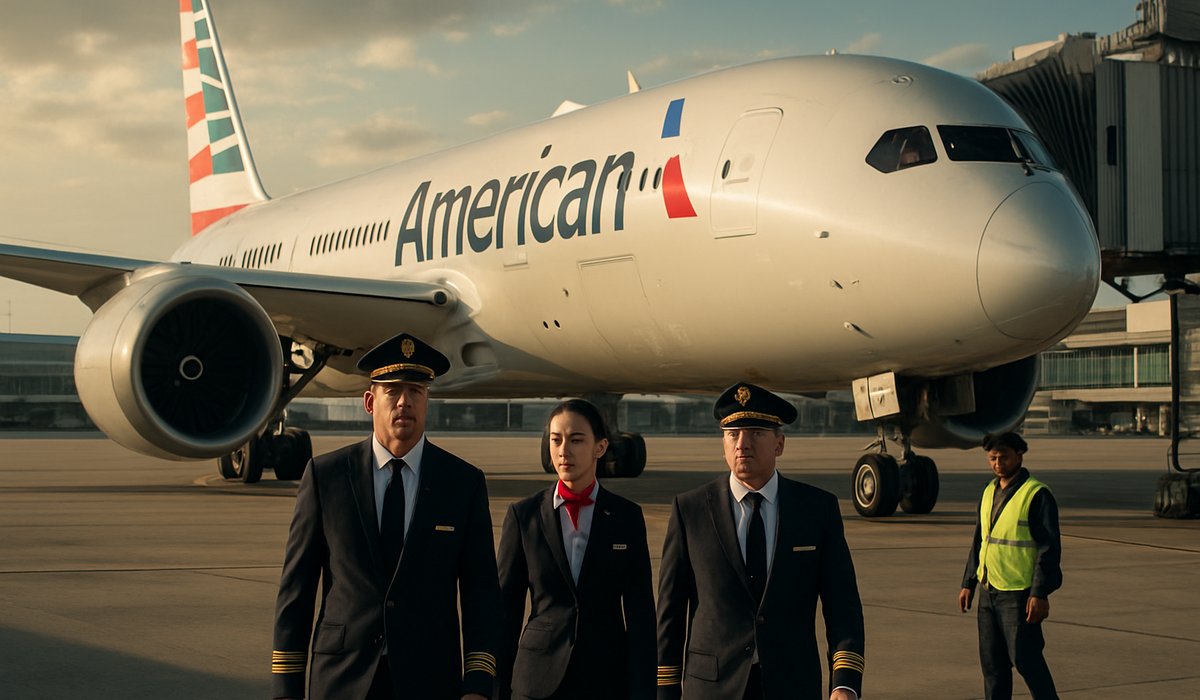
Image generated by AI
American Airlines to Secure Cabins at 18,000 Feet, Targeting Sharp Reduction in Turbulence-Related Injuries
Fort Worth carrier joins industry shift toward earlier descent protocols as aviation safety becomes focal point amid rising in-flight incident reports
Major Safety Protocol Shift Takes Effect
American Airlines announced a significant operational change designed to shield passengers and crew from turbulence-related injuries, effective June 3rd. The carrier will now initiate cabin securing and descent procedures at 18,000 feet—substantially earlier than conventional practice—marking a decisive move in the competitive race to enhance passenger safety across the aviation industry.
The decision positions American Airlines alongside JetBlue Airways, which pioneered this approach, as carriers respond to mounting concerns about in-flight turbulence incidents. Industry data has shown a troubling uptick in turbulence-related injuries over recent years, prompting major operators to recalibrate their flight procedures and safety protocols.
Strategic Response to Growing Safety Concerns
The revised descent procedure represents more than operational adjustments; it reflects broader industry acknowledgment that traditional cruising practices may not adequately protect passengers during increasingly unpredictable weather patterns. By securing the cabin earlier—fastening seatbelts, stowing service equipment, and positioning crew members—American Airlines aims to create a protective buffer zone during the most vulnerable phases of flight.
"This change demonstrates our commitment to passenger and crew safety," American Airlines indicated through its operational guidance, underscoring the carrier's investment in proactive risk mitigation rather than reactive incident management.
Industry-Wide Safety Momentum Building
The shift by American Airlines signals accelerating momentum across the aviation sector toward rebalancing safety prioritization. While airlines have long managed turbulence through weather radar and real-time monitoring, the move to earlier descent procedures represents a more aggressive preventative stance.
Meteorological patterns have complicated the challenge considerably. Climate-related atmospheric changes and increased clear-air turbulence encounters have prompted carriers to rethink conventional altitudes and descent timing. The Federal Aviation Administration (FAA) has documented rising turbulence incident reports, validating carrier concerns about safety protocols.
What This Means for Passengers
Travelers flying American Airlines routes can expect modified service timing and cabin procedures. Flight attendants will complete beverage and meal services earlier in flights, and cabins will transition to secured status well before the traditional descent phase. While this may slightly alter the passenger experience, it prioritizes injury prevention—a trade-off most industry observers view as fundamentally sound.
The operational change carries no additional cost to consumers and requires no booking modifications, making it a seamless safety enhancement from the passenger perspective.
Frequently Asked Questions
What is causing increased turbulence incidents in aviation? Clear-air turbulence and atmospheric changes linked to climate patterns have contributed to rising incident reports, prompting carriers like American Airlines to adopt earlier descent procedures as preventative measures.
Will this change affect my flight costs or booking process? No. American Airlines' new safety protocol requires no additional passenger fees, booking changes, or fare adjustments—it's purely an operational modification.
How much earlier will American Airlines begin descent procedures? Flights will now initiate cabin securing and descent procedures at 18,000 feet, substantially earlier than conventional practice, allowing more time to stabilize the aircraft before landing.
Are other airlines implementing similar turbulence safety measures? Yes. JetBlue Airways pioneered this approach, and American Airlines' adoption signals that similar protocols may become industry standard as carriers prioritize passenger safety.
What should passengers expect during flights with the new procedures? Flight service will conclude earlier, and cabins will be secured before traditional descent phases. This may mean the end of beverage and meal services at higher altitudes, but significantly reduces injury risk during turbulent conditions.
Related Travel Guides
- Portland International Jetport Cancellations Ground Eight Scheduled Departures to New York and Washington Hubs
- Breaking Airline News: Terrifying Air Canada Flight Cancellations Trigger Massive Cuba Paralyzation and Severe Travel Chaos
- Orlando, Miami, Tampa, Jacksonville, and Naples Lead Major Shift to Heat-Smart Summer Travel to Prevent Flight Cancellations and Travel Chaos Across Florida Gateways: New Airline News and Aviation Updates
Disclaimer
This article is for informational and educational purposes only. It does not constitute legal, financial, or professional advice. While we strive to provide accurate and up-to-date information, travel policies, regulations, and conditions change rapidly. Always verify information with official sources before making travel decisions. Nomad Lawyer makes no representations about the accuracy, reliability, completeness, or suitability of the information provided. Readers should consult qualified professionals for advice specific to their circumstances. The views expressed in this article are those of the author and do not necessarily reflect the views of Nomad Lawyer.
Preeti Gunjan
Contributor & Community Manager
A passionate traveller and community builder. Preeti helps grow the Nomad Lawyer community, fostering engagement and bringing the reader experience to life.
Learn more about our team →