
Air Transat Expands European Footprint With Direct Montreal-Istanbul Service
Breaking airline news and aviation industry updates for 2026.

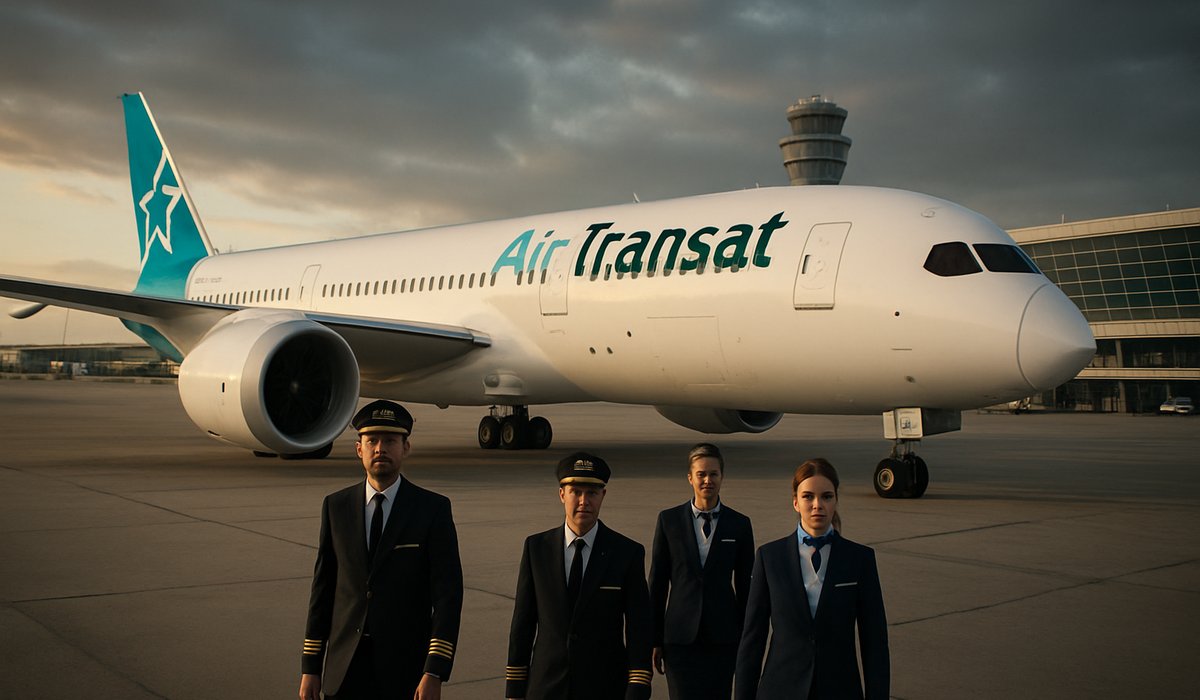
Image generated by AI
Air Transat Expands European Footprint With Direct Montreal-Istanbul Service
Canadian carrier doubles connectivity to Europe's gateway hub amid surge in transatlantic route launches
Air Transat, Canada's leading leisure airline for long-haul travel, is significantly expanding its European network with the introduction of a new nonstop service connecting Montreal-Trudeau International Airport to Istanbul Airport—one of Europe's most strategically important aviation hubs.
The announcement, confirmed on May 29, marks a pivotal moment for the Toronto-based carrier, which has been aggressive in scaling its transatlantic operations. The new route represents a doubling of Air Transat's Istanbul presence, adding crucial capacity to a destination that has emerged as a critical connector between North American and Asian markets.
Aggressive Expansion in the Transatlantic Market
Air Transat's strategic push reflects a broader industry recovery in leisure travel demand following pandemic-driven disruptions. The carrier has launched approximately six new routes across the Atlantic in June alone, positioning itself as a formidable competitor to larger full-service carriers dominating North American-Europe corridors.
This expansion comes as airlines worldwide reassess route portfolios in response to volatile jet fuel prices, shifting demand patterns, and competitive pressures from both legacy and ultra-low-cost carriers. For Air Transat, the Montreal-Istanbul connection addresses a market gap, tapping into demand from leisure travelers and business professionals seeking affordable alternatives to traditional hubs like London, Paris, and Frankfurt.
Istanbul's Strategic Importance
Istanbul Airport has rapidly become one of Europe's most critical aviation nodes, handling over 70 million passengers annually. The facility serves as a crucial transfer point for traffic flowing between Europe, the Middle East, and Asia. By establishing direct service from Canada's second-largest metropolitan area, Air Transat gains immediate access to one of the world's most dynamic aviation ecosystems.
The 11-hour routing provides Canadian travelers with seamless connectivity to Turkish Airlines' extensive network spanning 300+ destinations across four continents, effectively multiplying Air Transat's reach without requiring additional aircraft or crew infrastructure.
Broader Industry Context
The timing of this expansion reflects sustained recovery in the aviation sector, though carriers remain sensitive to economic headwinds. Airline fees for baggage, seat selection, and ancillary services have remained elevated, offsetting some pressures from fuel cost volatility. Air Transat's leisure-focused model allows the carrier to maintain competitive pricing while deploying premium revenue strategies unavailable to budget competitors.
The Montreal-Istanbul launch underscores a critical shift in aviation geography: secondary North American cities are increasingly competing for direct transatlantic access, reducing dependence on traditional gateway airports and challenging established carrier dominance.
FAQ: Air Transat, Airline Routes & Transatlantic Travel
What is Air Transat's position in the Canadian aviation market? Air Transat ranks as Canada's second-largest carrier for long-haul leisure flights, competing directly with Air Canada and WestJet on transatlantic routes.
How do airline baggage fees impact the cost of long-haul flights? Baggage charges typically add $60-$150 per flight depending on the carrier and destination. On 11-hour routes, travelers should budget accordingly, as standard fees are often higher for extended international journeys.
Why is Istanbul Airport strategically important for North American airlines? Istanbul Airport serves 70+ million passengers annually and provides connections to 300+ global destinations, making it ideal for airlines seeking European presence without establishing major hub infrastructure.
What factors influence airline pricing on new transatlantic routes? Jet fuel prices, competitive capacity, airport slot availability, and demand seasonality all affect pricing. New routes often feature promotional fares to build market share.
How does the Montreal-Istanbul route benefit Canadian travelers? The nonstop connection eliminates layovers and provides access to Turkish Airlines' global network, reducing travel times and potentially lowering costs compared to connections through traditional hubs.
Related Travel Guides
Flight Delay Compensation Guide 2026
Understanding Airline Route Changes
Airport Security Process Updated (2026)
External Resources
Disclaimer
This article is for informational and educational purposes only. It does not constitute legal, financial, or professional advice. While we strive to provide accurate and up-to-date information, travel policies, regulations, and conditions change rapidly. Always verify information with official sources before making travel decisions. Nomad Lawyer makes no representations about the accuracy, reliability, completeness, or suitability of the information provided. Readers should consult qualified professionals for advice specific to their circumstances. The views expressed in this article are those of the author and do not necessarily reflect the views of Nomad Lawyer.
Kunal K Choudhary
Co-Founder & Contributor
A passionate traveller and tech enthusiast. Kunal contributes to the vision and growth of Nomad Lawyer, bringing fresh perspectives and driving the community forward.
Learn more about our team →