
Top 10 Indian Destinations to Visit in August 2026: Best Monsoon Getaways and Travel Costs
Discover the best places to visit in India in August, from the lush Western Ghats to the serene backwaters of Kerala, including detailed weather data and travel pricing.

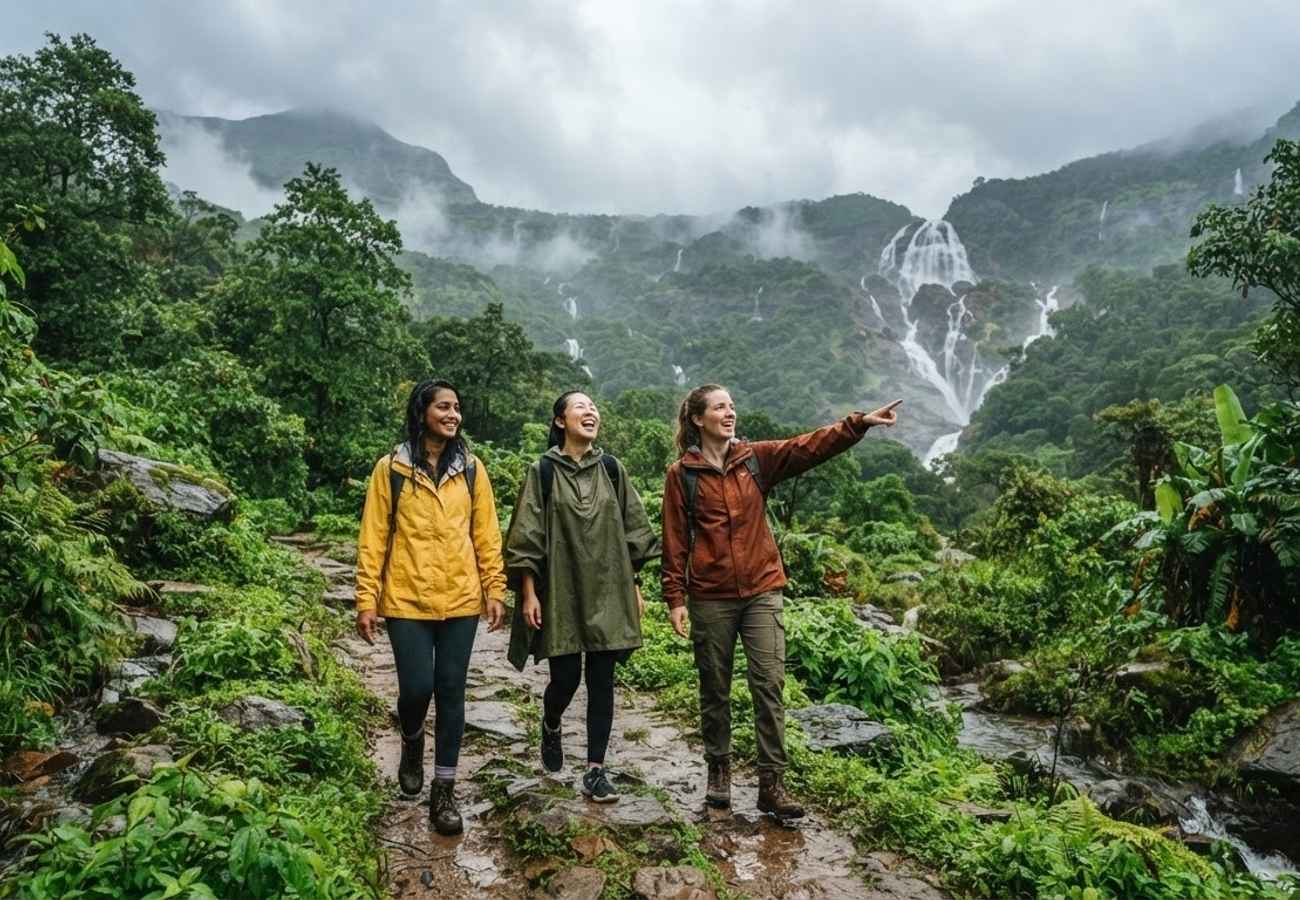
Image generated by AI
[Mumbai, July 6, 2026] — India transforms into a vivid, emerald landscape during August, as the monsoon season reaches its peak across several states. From the mist-covered peaks of the Western Ghats to the tranquil coastal reaches of the south, the country offers a diverse array of experiences for travelers seeking nature-centric retreats and historical exploration during the rainy season.
The month of August is particularly strategic for tourism, as it provides a respite from the extreme summer heat while renewing the country's flora and fauna. Industry reports suggest that this period is ideal for those looking to avoid the peak winter crowds while benefiting from the dramatic visual appeal of rain-washed forests and cascading waterfalls.
Comparative Pricing for Popular August Tour Packages
Travelers planning their itineraries can find various curated experiences across different regions. The following data outlines current pricing and durations for popular regional circuits during the August window.
| Tour Package | Duration | Estimated Price |
|---|---|---|
| Amazing Maharashtra | 6 Nights 7 Days | Rs. 46,200 |
| Fascinating Rajasthan | 8 Nights 9 Days | Rs. 46,000 |
| Explore Himachal | 6 Nights 7 Days | Rs. 31,900 |
| Luxury – Miracles of Kerala | 5 Nights 6 Days | Rs. 38,000 |
| Best of North Kerala (Taj Hotels) | 4 Nights 5 Days | Rs. 62,000 |
Exploring the Western Ghats: Lonavala and Panchgani
Lonavala serves as a primary destination for those seeking a quick escape from urban centers. Situated within the Western Ghats, the region becomes a lush paradise in August. Visitors frequently engage in trekking to the Rajmachi Fort or visiting the Bhushi Dam. The area is characterized by its dramatic waterfalls and the panoramic vistas found at Tiger’s Leap.
Lonavala Travel Details:
- Key Sites: Bhaja Caves, Lohagarh Fort, Kune Falls, and Lonavala Wax Museum.
- Climate: Daytime temperatures average 29°C, dropping to 24-25°C at night.
- Access: The closest air link is Pune International Airport (70 km), with direct rail connectivity via Lonavala station.
Further into the Sahyadri Mountain Range, Panchgani offers a milder climate and a more tranquil atmosphere. The region is famous for its "Table Land," the second-longest mountain plateau in Asia. August provides a refreshing backdrop for paragliding and visiting the Sydney Point to view the Krishna Valley and Dhom Dam.
Panchgani Travel Details:
- Key Sites: Mapro Gardens, Parsi Point, Devrai Art Village, and Kass Plateau.
- Climate: Maximum temperatures hover around 20°C, with minimums near 15°C.
- Access: Pune International Airport is 105 km away; rail access is available via Satara (50 km) or Pune Junction (95 km).
Kerala’s Monsoon Magic: Wayanad and Kumarakom
In the south, Wayanad emerges as a biodiversity hotspot during the August rains. The region is defined by its dense forests and high-altitude peaks. Travelers often visit the Edakkal Caves or trek up Chembra Peak to witness the cloud-covered landscape.
Wayanad Travel Details:
- Key Sites: Banasura Sagar Dam, Pookode Lake, Soochipara Falls, and Wayanad Wildlife Sanctuary.
- Activities: Exploring spice and coffee plantations and boating.
- Climate: Temperatures typically range between 18°C and 29°C.
- Access: Calicut International Airport (99 km) and Kozhikode Main railway station (85 km).
Conversely, Kumarakom offers a water-based experience on the shores of Vembanad Lake. August is a strategic time to visit as the rainfall keeps the landscape vibrant, yet the lower tourist volume often leads to reduced rates for luxury houseboats.
Kumarakom Travel Details:
- Key Sites: Kumarakom Bird Sanctuary, Bay Island Driftwood Museum, and Aruvikkuzhi Waterfall.
- Activities: Ayurvedic treatments and traditional houseboat cruises.
- Climate: Average temperatures fluctuate between 24°C and 29°C.
- Access: Cochin International Airport (70 km) and Kottayam railway station (15.6 km).
Southern Coasts and Heritage Sites: Kanyakumari and Khajuraho
Kanyakumari, located at the confluence of the Arabian Sea, the Bay of Bengal, and the Indian Ocean, remains a top choice for August. The weather is generally pleasant, allowing for easier exploration of the Vivekananda Rock Memorial and the Thiruvalluvar Statue.
Kanyakumari Travel Details:
- Key Sites: Kumari Amman Temple, Thirparappu Falls, and Thanumalayan Temple.
- Climate: Daytime temperatures average 28-30°C, with nights around 23°C.
- Access: Trivandrum International Airport (95 km) and Kanyakumari railway station.
For those interested in architecture, Khajuraho provides a stark contrast to the coastal regions. This UNESCO World Heritage site is famous for its medieval temples. The cooler August temperatures make it far more comfortable to walk through the complex than during the scorching summer months.
Khajuraho Travel Details:
- Key Sites: Kandariya Mahadev Temple, Lakshmana Temple, and the State Museum of Tribal and Fort Art.
- Climate: Temperatures range from 25°C to 32°C.
- Access: Direct access via Khajuraho Airport and Khajuraho railway station.
Rajasthan's Highland Retreat: Mount Abu
Mount Abu stands as the sole hill station in Rajasthan, providing a critical refuge from the desert heat. In August, the Aravalli Range transforms into a green expanse, making it a prime destination for nature lovers and spiritual seekers.
Mount Abu Travel Details:
- Key Sites: Dilwara Jain Temples, Nakki Lake, and Guru Shikhar.
- Activities: Boating on Nakki Lake and trekking to the highest point of the Aravallis.
- Climate: The region experiences a significant drop in temperature compared to the plains of Rajasthan, making it an ideal August getaway.
Why This Matters: The Strategic Shift in Indian Monsoon Tourism
The preference for these specific destinations in August signals a broader shift in how the Indian travel market perceives the monsoon. Historically, the rainy season was viewed as a period of restricted travel. However, the rise of "monsoon tourism" highlights a growing demand for eco-tourism and wellness retreats.
By visiting locations like Kumarakom or Wayanad during the off-peak August window, travelers are not only accessing lower price points for luxury accommodations but are also experiencing these ecosystems at their most biologically active. The integration of heritage sites like Khajuraho into the August itinerary demonstrates a strategic move to optimize sightseeing by avoiding the extreme heat of the Indian summer, thereby extending the viable tourism window for the country.
The emerald landscapes of August offer a rare opportunity to witness India in its most rejuvenated state.
Related Travel Guides
Disclaimer
This article is for informational and educational purposes only. It does not constitute legal, financial, or professional advice. While we strive to provide accurate and up-to-date information, travel policies, regulations, and conditions change rapidly. Always verify information with official sources before making travel decisions. Nomad Lawyer makes no representations about the accuracy, reliability, completeness, or suitability of the information provided. Readers should consult qualified professionals for advice specific to their circumstances. The views expressed in this article are those of the author and do not necessarily reflect the views of Nomad Lawyer.
Preeti Gunjan
Contributor & Community Manager
A passionate traveller and community builder. Preeti helps grow the Nomad Lawyer community, fostering engagement and bringing the reader experience to life.
Learn more about our team →