
'The Aftermath of a Slip and Fall: Proving that the Property Owner Was at Fault'
Understand property owner liability in slip and fall accidents. Learn about duty of care, safety standards, negligence claims, and when homeowners can be held responsible for injuries on their property.

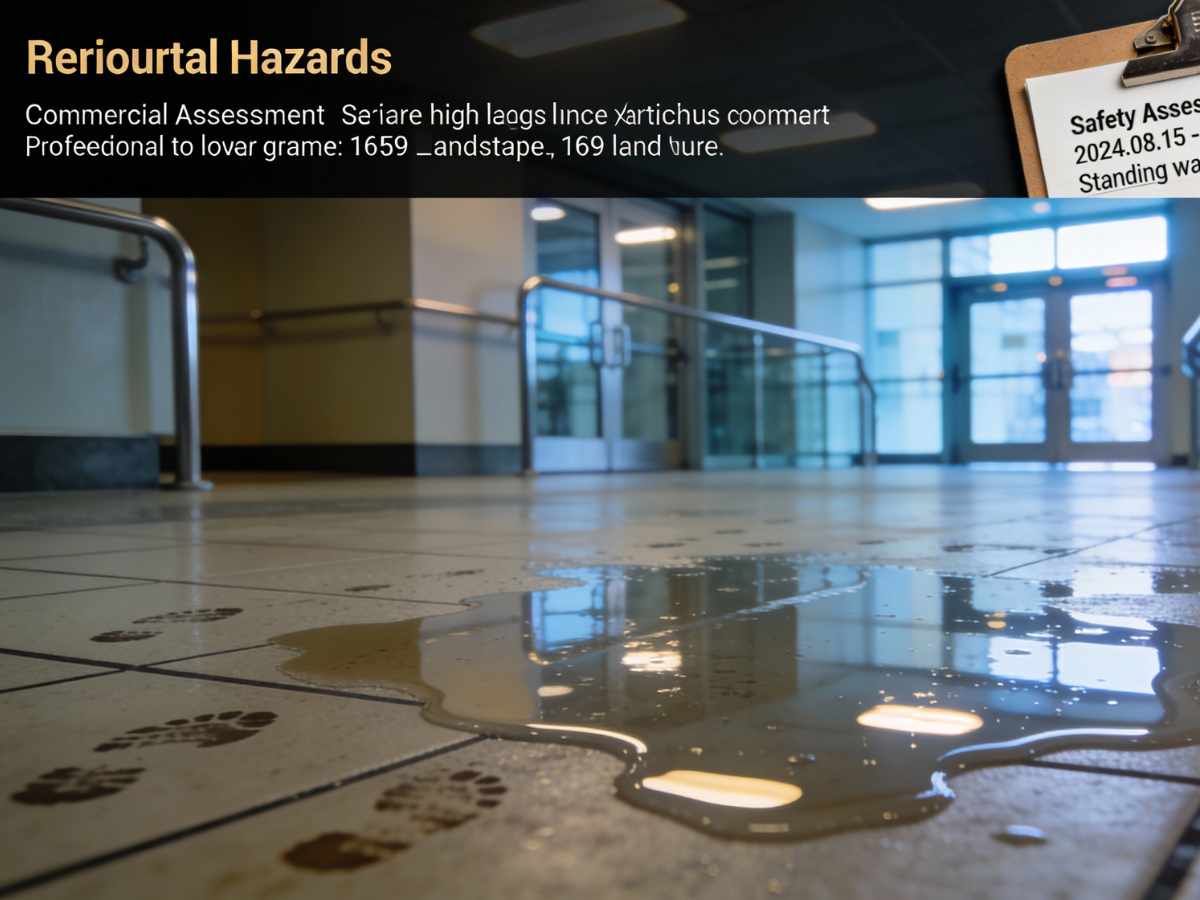
It might be extremely awkward if someone you know has a slip or fall on your property. It's not just the fact that they have injured themselves, but there is the very real prospect of a slip and fall lawyer getting involved to file a personal injury claim.
Whether it is you in the frame for taking the blame, or it's the other way around, a property owner can't plead ignorance and deny liability when someone falls or gets injured on a personal property.
There is a legal framework for dealing with accidents in the home. In fact, the law is explicitly clear that property owners have some specific duties of care to uphold. Accidents can and do happen in people's homes, and that always raises the prospect of a claim being made if the owner has been negligent.
You are entitled to make a claim against a property owner in the aftermath of a slip or fall. It is irrelevant whether this is someone you know or not, the key point is that if you have suffered an injury, you may be entitled to claim compensation, especially if the homeowner has failed to adhere to basic safety obligations.
Let's take a look at what's involved when it comes to proving that a property owner was at fault.
Duty of Care
An overriding principle to keep in mind is that there is a general duty of reasonable care that every property owner needs to meet at all times.
In general, there is a requirement that every property owner should take all reasonable precautions to warn others of potential risks, and do everything they can to negate the possibility of someone getting injured.
It is abundantly clear that the legal framework used to determine liability is not some sort of vague concept. There are all sorts of building codes and safety standards that help owners to know what they need to do to keep everyone in the building safe from harm.
If they fail to point out a slippery surface, for instance, this could be viewed as failing in their duty of care when a person is then injured as a result of their negligence.
Weather Conditions Are Relevant
A classic scenario where the risk of injury is heightened is when there is snow and ice present. If the property owner fails to take reasonable steps to clear a pathway, for instance, they could be held liable if a person subsequently suffers an injury as a result of slipping or falling.
If the property owner doesn't use salt, or some other treatment to help melt the ice and reduce the prospect of someone slipping, this is a clear example of when liability could be proven due to a lack of action to combat dangerous underfoot conditions.
Every property owner needs to take reasonable steps to keep walkways clear and safe, especially in wintry conditions where the risk of an accident is heightened.
Good Visibility Is Essential
Another key area where a slip or trip claim could be successful is when there is a lack of adequate lighting on the property.
Quite simply, the prospect of a fall or slip is greatly reduced when there is good visibility to allow each person to be able to see what surface conditions are like. If there is a lack of lighting, such as being caused by a broken bulb that hasn't been replaced, this could make the property owner liable for the resulting accident.
Failure to Meet Guardrail and Handrail Standards
When your visitors are navigating stairs they are entitled to a reasonable expectation that your property will be fitted with an adequate guardrail or handrail to help them climb safely.
If these supports are either damaged or missing, this would represent a safety code violation. If someone subsequently falls as a result of not having anything suitable to hold onto, the homeowner will likely be shown to have breached their duty of care.
Slip Hazards Need to Be Accounted For
Another key area where an accident could easily be avoided involves adequate use of mats and runners.
It seems quite a basic requirement, but if entry points to the property are not properly protected through the use of mats and runners, it's all too easy for someone to suffer a fall when their wet shoes make contact with a slippery surface.
A fundamental point about this highlighted safety risk is that it really is something quite basic. That is what makes it a potentially straightforward claim for negligence when a property owner fails to protect visitors in this way.
Good Water and Drainage Management Is Also Required
Excess water created by issues such as blocked drains, a malfunctioning gutter, or any other typical cause of an overflow, are all scenarios where a potential accident could happen when it was easily avoidable.
Standing water instantly creates an obvious slip hazard, and that creates a situation where the property owner could be viewed as negligent if the danger had not been highlighted, or the appropriate action wasn't taken.
The obvious remedy is to be proactive and carry out good drainage management. It is also highly advisable to carry out repairs as a matter of urgency.
Understanding Constructive Notice
When trying to prove negligence it is highly likely that the law of constructive notice will be applied.
In general terms, what this means is that an owner should have known about dangerous conditions that have been around for a while. When it comes to temporary conditions, such as a spillage, for instance, there's a question to answer as to whether the hazard had been present long enough for action to have been taken to resolve the issue.
Some scenarios are much more cut and dried. A cracked floor that causes someone to trip or fall, for example, would be a situation where constructive notice is automatically presumed.
A lot of these threats to personal safety are manageable with the right level of attention and diligence. When that duty of care is not evident, that's when the possibility of personal injury claim becomes more compelling.
As well as being mindful of potential hazards, it is also a good idea to talk to a slip and fall lawyer as soon as you either need to make a claim, or defend one.
Related Legal Resources
Understanding property owner liability is crucial for both homeowners and accident victims. For more information about related legal topics, check out these articles:
Understanding ADA: Should a Service Dog Be On a Leash? Learn about service animal regulations and liability issues when service dogs are involved in incidents on public or private property.
Don't Become Another Number: 10 Alarming Motorbike Accident Statistics Discover important safety facts and legal considerations for motorcycle accidents and personal injury claims.
For guidance on finding legal representation, the American Bar Association's lawyer referral directory can help you locate qualified personal injury attorneys in your area.
Have you experienced a slip and fall accident? Understanding your rights is crucial. Share your questions in the comments below, and remember to consult with a qualified personal injury attorney for specific legal advice about your situation.
#SlipAndFallLaw #PropertyLiability #PersonalInjury #PremisesLiability #DutyOfCare #NegligenceLaw #HomeownerLiability #LegalRights #AccidentClaims #LawFacts
Disclaimer
This article is for informational and educational purposes only. It does not constitute legal, financial, or professional advice. While we strive to provide accurate and up-to-date information, travel policies, regulations, and conditions change rapidly. Always verify information with official sources before making travel decisions. Nomad Lawyer makes no representations about the accuracy, reliability, completeness, or suitability of the information provided. Readers should consult qualified professionals for advice specific to their circumstances. The views expressed in this article are those of the author and do not necessarily reflect the views of Nomad Lawyer.
Kunal K Choudhary
Co-Founder & Contributor
A passionate traveller and tech enthusiast. Kunal contributes to the vision and growth of Nomad Lawyer, bringing fresh perspectives and driving the community forward.
Learn more about our team →