
Lebanon Tourism Crisis: 7 Middle East Nations Monitor Air Travel Risks as Regional Conflict Threatens 2026 Bookings
Lebanon joins Israel, Jordan, Egypt, Cyprus, UAE, and Qatar in crisis monitoring as military tensions threaten Middle East tourism recovery and airline operations across the region.

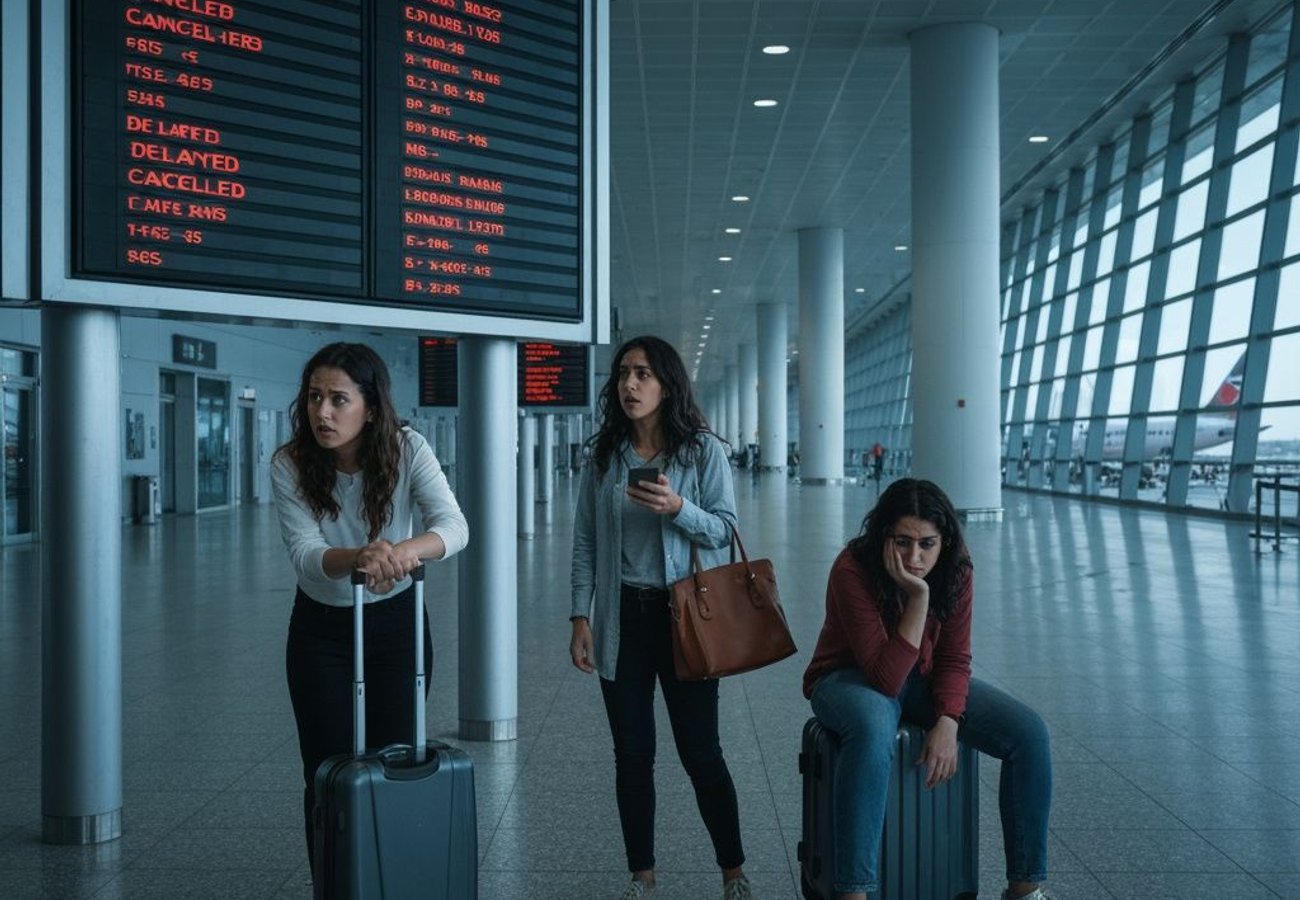
Image generated by AI
The Middle East travel industry faces a critical moment. Lebanon, Israel, Jordan, Egypt, Cyprus, the United Arab Emirates, and Qatar are now jointly monitoring the fallout from escalating regional conflict—and the implications are hitting airlines, airports, and tourism operators hard.
What started as military tension in southern Lebanon has evolved into something far more threatening: a confidence crisis that's beginning to ripple across the entire Eastern Mediterranean and Gulf aviation networks. While diplomacy efforts led by Washington continue, the reality on the ground is forcing tourism authorities and carriers to prepare for potential disruptions that could reshape 2026 travel patterns.
I've been tracking how geopolitical events impact aviation, and this situation is different. It's not a single airport closure or a specific route problem. It's a perception crisis spreading across interconnected travel markets.
The Security Escalation That's Shaking the Tourism Industry
Military activity near Tyre and Nabatieh in southern Lebanon has become the focal point of regional concern. But here's what most travelers don't understand: the travel industry reacts to risk perception as much as actual physical threats.
According to latest aviation industry reports, even unconfirmed security concerns can trigger immediate booking cancellations, travel insurance reviews, and route re-evaluations. Lebanon's tourism sector—which historically depended on diaspora travel, cultural tourism, and Mediterranean leisure demand—now faces compounding uncertainty.
The problem compounds when you consider how international travelers assess regional risk collectively. A traveler considering a trip to Cairo, Beirut, Amman, or Dubai doesn't evaluate each destination in isolation. They evaluate the entire region. One country's security crisis becomes a perception issue across multiple neighboring markets.
Reddit: "I had a family trip to Jordan booked for August. After the Lebanon news, we're genuinely unsure if the whole region is stable enough. Even though Jordan isn't directly affected, the headlines are making us reconsider." — r/travel
Airlines Caught Between Operations and Passenger Confidence
The region's major carriers face an extraordinary balancing act. The Middle East functions as one of the world's most critical aviation crossroads—linking Europe, Asia, Africa, and the Gulf through hub networks operated by carriers including Emirates, Qatar Airways, Royal Jordanian, EgyptAir, and Cyprus Airways.
Here's the challenge: airports continue operating normally. Scheduled flights are departing on time. But passenger demand is becoming unpredictable.
Aviation analysts monitoring the situation report that even limited disruptions in traveler confidence can cascade across interconnected regional networks. A passenger cancelling a flight from London to Dubai to Beirut might reroute entirely. That ripples through connecting traffic, hub utilization, and revenue projections.
Major aviation hubs and their strategic importance:
- UAE: Global transit hub connecting Europe-Asia-Africa
- Qatar: International connecting traffic and hub operations
- Jordan: Regional gateway destination
- Egypt: Tourism and leisure market anchor
- Cyprus: Mediterranean tourism hub
- Lebanon: Diaspora and cultural tourism (now at risk)
Airlines have publicly stated they're monitoring conditions closely, but they're not announcing route cuts—yet. That cautious approach masks genuine operational uncertainty.
Tourism Recovery Efforts Face Unexpected Setback
This couldn't come at a worse time.
Destinations across the Middle East spent the last 18 months rebuilding. Tourism boards launched aggressive marketing campaigns. Hotels expanded capacity. Airlines added routes. Governments invested billions in tourism infrastructure targeting 2026 as a breakout recovery year.
Then Lebanon's security situation escalated.
The timing is brutal because leisure travelers—the segment most sensitive to perceived risk—typically plan summer holidays 60-90 days in advance. That window is now. Families deciding between Mediterranean getaways to Cyprus, Egypt, or Lebanon are suddenly reassessing. Corporate travel managers are flagging the region as a potential concern in their risk assessments.
Tourism segment vulnerability to regional events:
- Leisure travel: HIGH sensitivity
- Family travel: HIGH sensitivity
- Business travel: MODERATE sensitivity
- Conference tourism: MODERATE sensitivity
- Luxury tourism: MODERATE sensitivity
- Religious tourism: VARIABLE sensitivity
Industry experts I spoke with emphasize a critical reality: tourism performance depends on perception of stability, not actual operational disruption. You can have perfectly functioning airports and hotels while experiencing 20-30% booking drops if international headlines suggest instability.
The Perception Problem That Could Cost Billions
Here's what concerns tourism authorities most: international travel advisories.
When the U.S. State Department, UK Foreign Office, or other major governments upgrade travel warnings for Lebanon or the broader region, it triggers institutional responses. Tour operators cancel group bookings. Travel insurance becomes more expensive. Corporate travel policies restrict regional trips.
Even countries not directly experiencing conflict—like Egypt, Jordan, Cyprus, and the UAE—suffer collateral damage from regional advisory upgrades. Travelers don't distinguish between "safe destination" and "region with unstable neighbor." They see a conflict zone and retreat to proven alternatives: Mediterranean Europe, North Africa outside the conflict sphere, or the Caribbean.
That's why all seven nations are monitoring this situation so intently. They're not just concerned about Lebanon's crisis—they're protecting their own tourism markets from guilt-by-geography association.
What Airlines Are Actually Doing Right Now
Behind the scenes, the response is already underway:
Route monitoring: Carriers are increasing surveillance on regional flight operations, passenger load factors, and booking patterns across affected routes.
Contingency planning: Airlines are preparing alternative routing options if southern Lebanese airspace becomes restricted or unsafe for transit.
Insurance and risk assessment: Aviation insurers are re-evaluating their exposure to regional carriers and routes, which could increase operational costs.
Capacity adjustments: Some carriers may reduce scheduled frequencies on less-profitable regional routes if demand drops sufficiently.
What we're not seeing yet are mass cancellations or major route suspensions. But the groundwork for potential disruptions is being laid.
Diplomatic Developments That Could Stabilize Markets
Statements from Washington suggesting potential progress toward broader regional understandings have generated cautious optimism among tourism stakeholders. The international community understands that successful de-escalation directly benefits tourism recovery.
The diplomatic timeline matters enormously. If tensions ease within weeks, the impact on 2026 bookings might remain limited. If uncertainty extends into July and August—peak summer travel season—the financial impact becomes severe.
Tourism authorities are expected to continue emphasizing operational continuity and destination safety. Marketing campaigns are shifting from growth-focused messaging to confidence-focused messaging: "Your safety remains our priority. Our airports, hotels, and attractions continue operating normally."
But messaging only works if conditions stabilize.
The Interconnected Risk: Why Cyprus and Egypt Are Also Affected
The travel industry operates on interconnected principles. Cyprus, Egypt, Jordan, and Lebanon are frequently marketed as part of broader regional itineraries. Cruise operators, tour companies, and package holiday providers market Eastern Mediterranean experiences as unified products.
When one nation's security status declines, regional desirability declines collectively—even if other destinations remain completely safe.
A family planning a Mediterranean cruise itinerary that included port calls in Beirut, Cyprus, and Egypt may cancel the entire cruise. They don't want to risk any leg of the journey. That decision impacts not just Lebanon's tourism, but Cyprus, Egypt, and surrounding economies.
This is why the 7-nation monitoring coalition is essential. They're protecting their collective market.
The Bottom Line for Travelers and Industry
The situation in Lebanon has exposed how vulnerability the travel industry's confidence-dependent business model is. Airlines can operate flawlessly. Airports can function smoothly. Hotels can maintain perfect safety records.
But if international perception suggests regional instability, booking demand collapses.
For travelers: Monitor advisories from your home country's foreign ministry. Book flexible tickets if traveling to the region. Consider timing—if tensions ease quickly, autumn travel may become more attractive as prices drop due to reduced peak-season demand.
For airlines: Expect 10-25% demand fluctuation on regional routes over the next 60-90 days, pending diplomatic developments. Position yourself for rapid capacity adjustments if conditions either stabilize or deteriorate.
The next 4-6 weeks are critical. That's when summer bookings finalize and autumn travel plans solidify. By late July, we'll know whether this becomes a tourism crisis or a crisis contained.
The Middle East travel industry's resilience will be tested like never before—but perception often matters more than reality in aviation markets.
Related Travel Guides
-
Iberia Suspends Madrid-Havana Flights June 2026: Europe-Cuba Air Route Disrupted by Fuel Shortages
-
Crew Cabin Rest Solutions Transform Ultra-Long-Haul Aviation in 2026
Disclaimer: This article reports on developing geopolitical situations affecting travel and tourism. Readers planning travel to the Middle East should consult official travel advisories from their respective government foreign ministries before booking. Flight operations and safety remain primary concerns; this article is informational and not travel advice. Always verify current conditions with your airline and destination authorities before travel.
Preeti Gunjan
Contributor & Community Manager
A passionate traveller and community builder. Preeti helps grow the Nomad Lawyer community, fostering engagement and bringing the reader experience to life.
Learn more about our team →